2025 Guide: How to Choose the Best Flexible PCB Manufacturing Services
In the rapidly evolving landscape of electronics, flexible printed circuit boards (PCBs) have emerged as a critical component driving innovation across various industries. As applications for flexible PCBs expand, selecting the right flexible PCB manufacturing service becomes paramount for engineers and businesses alike. This guide aims to navigate the complexities of the manufacturing process, enabling you to make informed decisions that cater to your specific project requirements.
Understanding the various aspects of flexible PCB manufacturing is essential in today’s competitive market. Factors such as material selection, design intricacies, and production capabilities play significant roles in determining the performance and reliability of the final product. As flexibility and compactness become more important in device design, the choice of a skilled manufacturing partner can significantly impact not only the quality of the PCB but also the overall success of your project.
By exploring the key considerations and best practices outlined in this guide, you will be equipped with the knowledge needed to choose the best flexible PCB manufacturing services available. Whether you're working on a groundbreaking consumer electronics device or a sophisticated medical instrument, making the right choice can set the foundation for achieving your goals and driving your innovations forward.
Understanding the Importance of Flexible PCBs in Modern Electronics
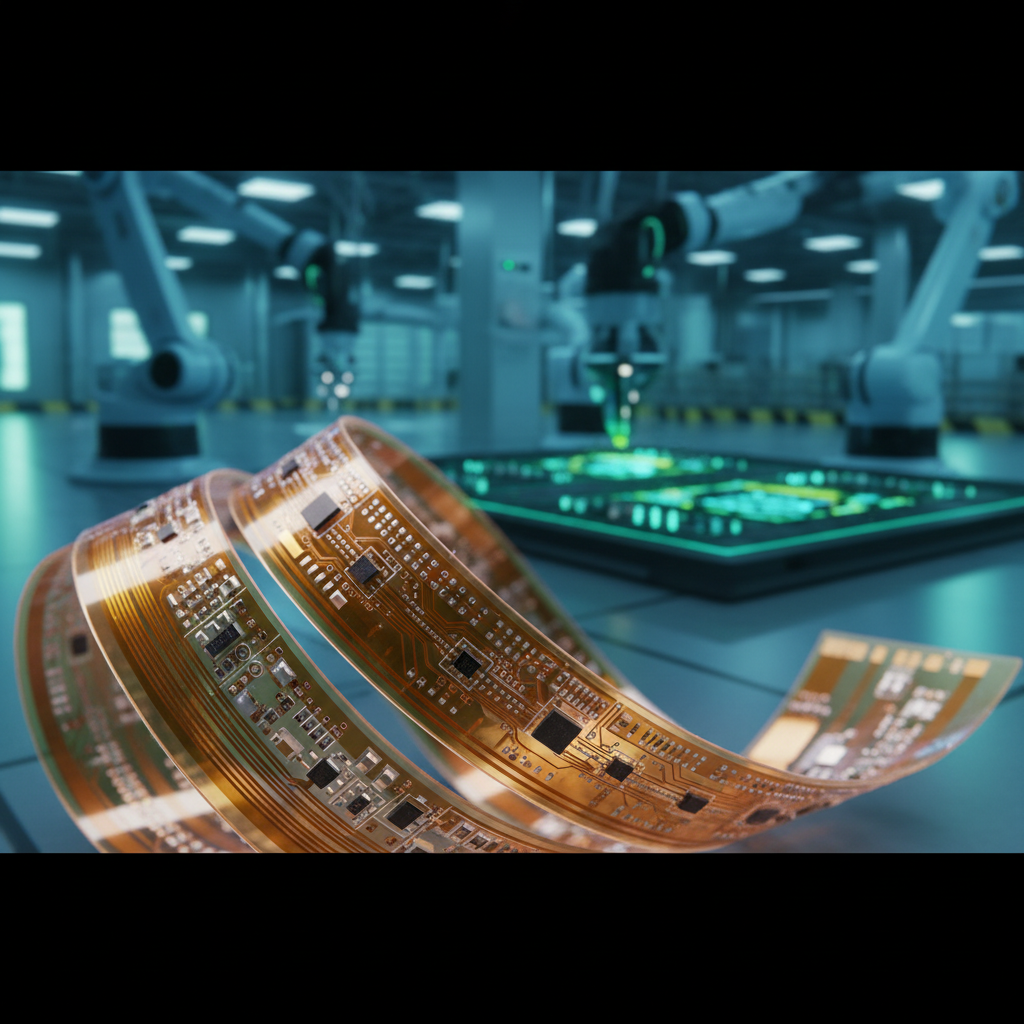
Flexible printed circuits (FPCs) have become a cornerstone in modern electronics, enabling innovations that traditional rigid circuit boards simply cannot accommodate. Their unique bending capabilities allow for the design of compact and lightweight devices, which is increasingly essential in industries such as consumer electronics, medical devices, and automotive systems. With the growing trend towards miniaturization, flexible PCBs provide the perfect solution for applications where space is at a premium, facilitating designs that can conform to specific shapes and contours.
Moreover, the ability of flexible PCBs to withstand dynamic movements and vibrations makes them particularly suitable for advanced technology, including wearables and IoT devices. This adaptability not only enhances product durability but also improves performance in demanding environments. As electronic devices become more sophisticated and integrated into our daily lives, the importance of selecting high-quality flexible PCB manufacturing services cannot be overstated. It is crucial to partner with manufacturers who understand the unique requirements of flexible circuits in order to ensure reliability and efficiency in final products.

Key Factors to Consider When Selecting Flexible PCB Manufacturers
When selecting a flexible PCB manufacturer, several key factors come into play to ensure you receive high-quality products. First and foremost, evaluate the manufacturer's experience and reputation in the industry. Look for companies that have a proven track record and positive customer feedback. A reliable manufacturer will not only meet your technical specifications but also provide valuable insights and support throughout the production process.
Additionally, assess the manufacturer's capabilities in terms of technology and equipment. Advanced fabrication methods and modern tooling can significantly impact the quality and durability of the PCBs. Make sure they can handle the complexities associated with flexible circuits, such as intricate designs and various materials.
**Tips:** Always request samples of previous work to gauge their craftsmanship. Consider visiting the facility if possible, as this can give you a clearer picture of their operations and quality control measures. Lastly, inquire about their customer service and communication style; a responsive and supportive partner can make a world of difference in your project's success.
Comparing Different Types of Flexible PCB Technologies Available
When selecting flexible PCB manufacturing services, understanding the various technologies available is crucial. Flexible printed circuit boards can be made using different methods such as traditional etching, printed electronics, and 3D printing. Traditional etching, while widely used, often lacks the adaptability required for intricate designs. It involves subtractive manufacturing processes that might limit the complexity of the circuit layout.
On the other hand, printed electronics enable more innovative designs, allowing manufacturers to create flexible circuits using conductive inks on a variety of substrates. This method not only offers greater design freedom but also allows for the integration of sensors, displays, and other components directly into flexible materials. 3D printing of flexible PCBs further enhances this capability, catering to rapid prototyping and custom shapes that traditional methods cannot achieve. By comparing these technologies, businesses can better align their manufacturing needs with the appropriate flexible PCB service, ensuring optimal performance and reliability in their applications.
2025 Guide: How to Choose the Best Flexible PCB Manufacturing Services - Comparing Different Types of Flexible PCB Technologies Available
| Technology Type |
Flexibility Rating |
Cost (per square meter) |
Max Layer Count |
Typical Applications |
| Single-Sided Flex PCB |
High |
$30 |
1 |
Mobile Devices, Medical Equipment |
| Double-Sided Flex PCB |
Medium |
$45 |
2 |
Wearable Technology, Automotive |
| Multilayer Flex PCB |
Medium to Low |
$80 |
4-10 |
Consumer Electronics, Aerospace |
| Rigid-Flex PCB |
High |
$120 |
2-12 |
Telecommunications, Industrial Equipment |
Evaluating Manufacturer Certifications and Quality Assurance Practices
When evaluating flexible PCB manufacturing services, one of the most critical factors to consider is the manufacturer’s certifications and quality assurance practices. A reliable manufacturer should possess key industry certifications such as ISO 9001 and IPC-A-600. According to a report by IPC (Association Connecting Electronics Industries), around 83% of consumers prefer manufacturers with ISO certifications, indicating a strong preference for quality assurance and operational efficiency. These certifications not only ensure adherence to quality standards but also highlight a commitment to continuous improvement and customer satisfaction.
Moreover, comprehensive quality assurance practices are essential in maintaining the integrity and performance of flexible PCBs. The implementation of stringent quality control measures can significantly reduce defects and enhance product reliability. Industry studies show that companies with robust quality assurance programs experience up to 30% lower return rates on their products. Therefore, when selecting a flexible PCB manufacturer, it’s crucial to inquire about their quality control processes and how they measure and report defects. This diligence ensures that you partner with a manufacturer dedicated to upholding high standards and delivering superior products.
Cost-Effectiveness: Balancing Price and Quality in Flexible PCB Services
When selecting flexible PCB manufacturing services, cost-effectiveness plays a crucial role. It's essential to strike the right balance between price and quality to ensure that your investment yields durable and high-performing products. The initial temptation might be to choose the cheapest option available, but this can often lead to compromises in quality that may result in higher costs over time due to failures or defects.
Tips to consider when evaluating potential manufacturers include looking for companies that offer transparent pricing structures. This will help you understand what you're paying for and avoid hidden fees that can inflate costs. Additionally, researching customer reviews and case studies can provide insights into the quality of services and materials used by the manufacturer.
Another important tip is to demand samples or prototypes before committing to a larger order. This allows you to assess both the quality of the manufacturing process and the functionality of the PCBs. A manufacturer willing to provide test runs demonstrates confidence in their product and a commitment to customer satisfaction, key indicators of a worthwhile investment.
2025 Guide: Cost-Effectiveness in Flexible PCB Manufacturing Services