2026 Best Flexible Printed Circuit Buying Guide for Global Buyers?
In the dynamic world of electronics, choosing the right flexible printed circuit is crucial. These circuits are essential in devices ranging from smartphones to medical equipment. Flexibility allows for compact designs and improved performance.
However, navigating the market can be overwhelming for global buyers. With various manufacturers, materials, and qualities, making an informed choice requires careful consideration. It's important to assess both cost and reliability. Manufacturers vary in expertise, and not every circuit meets high standards.
Buyers should prioritize sourcing from proven suppliers. Researching reviews and certifications can enhance trust. Ask about the materials used and the production process. Understanding these details ensures your investment yields quality results. Remember, flexibility in circuits should translate to durability in performance.
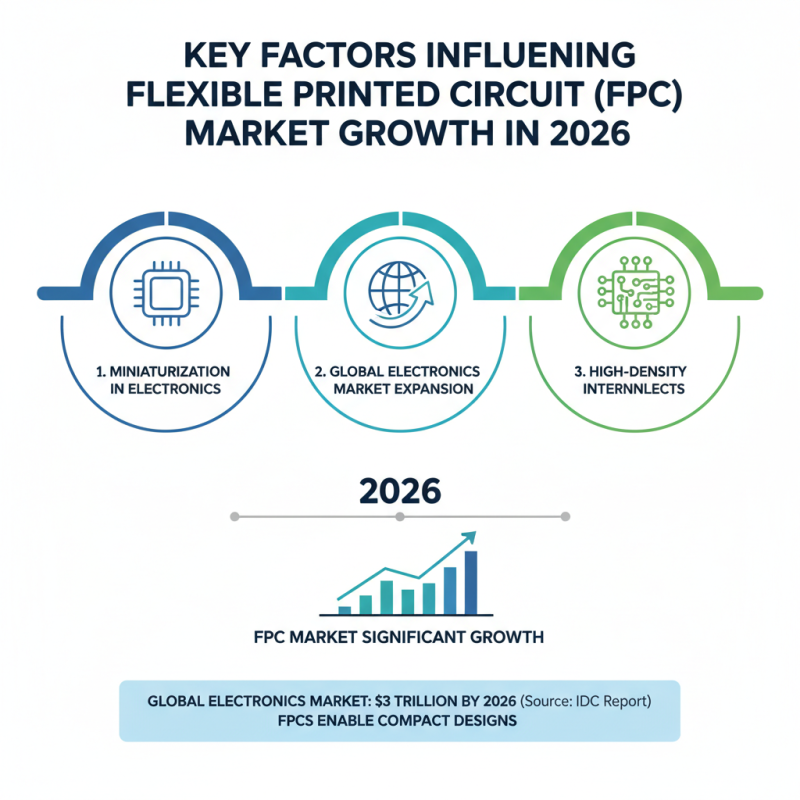
Key Factors Influencing the Flexible Printed Circuit Market Growth in 2026
The flexible printed circuit (FPC) market is expected to experience significant growth by 2026. Several key factors will drive this development. The demand for miniaturization in electronics is growing rapidly. According to a report by the International Data Corporation, the global electronics market will reach $3 trillion by 2026. This growth will boost the need for FPCs, which provide high-density connections in compact designs.
In addition, the rise of wearable technology plays a crucial role. A market analysis by Grand View Research indicates that the global wearable market will expand at a compound annual growth rate (CAGR) of 15%. As more devices become interconnected, the reliance on flexible circuits increases. They allow for innovative shapes and sizes that traditional rigid circuits cannot achieve. However, this trend also poses challenges for manufacturers. Ensuring quality and reliability in FPC production remains a pressing concern.
Another factor influencing market growth is the increase in consumer electronics. A report by MarketsandMarkets predicts that demand for FPC will surge due to smartphone and tablet advancements. These devices require lightweight and flexible components to enhance user experience. Unfortunately, production inconsistencies can lead to wasted resources and increased costs. Manufacturers must strike a balance between innovation and practical production limits to succeed.
Understanding Flexible Printed Circuit Applications Across Various Industries
Flexible printed circuits (FPCs) are increasingly vital across various industries. Aerospace and automotive sectors utilize FPCs for their lightweight and compact designs. These features improve efficiency and save space. In medical devices, flexible circuits enhance functionality and reliability, enabling portable diagnostics and wearable technology.
In consumer electronics, FPCs allow for thinner and lighter devices. Their flexibility is crucial for modern gadgets like smartphones and tablets. However, challenges exist in reliability and manufacturing variations. Not every circuit meets the intended standards, leading to performance issues.
Manufacturers must prioritize quality and testing. Understanding specific industry requirements is also essential. Each application may demand unique specifications. This knowledge helps buyers make informed choices.
Your investment in FPCs should reflect both performance and resilience. Seek out partners who understand these nuances for better outcomes.
Technical Specifications to Consider When Purchasing Flexible Printed Circuits
When purchasing flexible printed circuits, it's essential to consider various technical specifications. The base material is crucial. Common choices include polyimide and polyester. Polyimide offers excellent thermal stability and mechanical properties. Studies show that polyimide circuits can withstand temperatures above 200°C, making them suitable for demanding applications.
Layer count is another vital factor. Flexible circuits can range from single-layer to multi-layer configurations. Research indicates that multi-layer circuits enhance signal integrity in high-frequency applications. However, they also complicate manufacturing and increase costs. Buyers should balance functionality and budget effectively.
Another aspect to evaluate is the circuit’s thickness. Thinner circuits provide flexibility but may impact durability. A typical thickness is around 0.5 mm. However, thinner variants, like 0.1 mm, can be appropriate for specialized needs. Carefully assessing these technical specifications ensures that buyers make informed decisions in selecting the right flexible printed circuits for their applications.
Major Manufacturers and Market Share Insights in the Flexible Circuit Industry
In the flexible circuit industry, understanding market share and manufacturer influence is crucial for buyers. This sector continues to grow, driven by innovations in technology and increases in demand for compact devices. Various companies lead the market, each contributing unique strengths, capabilities, and specializations. Their strategies often define industry trends and determine which technologies emerge.
Tips: Do thorough research on individual manufacturers before making decisions. A smaller company may offer tailored solutions not found in larger firms.
Market insights show that key players dominate, but fresh entrants are reshaping dynamics. Innovative materials and techniques are frequently tested, leading to evolving product offerings. Buyers should examine not just current capabilities but also future potential of these manufacturers.
Tips: Look for reviews and case studies to gauge a manufacturer's reliability. Networking with industry peers can provide valuable insights.
Pricing and quality can vary widely. Understanding a manufacturer's production capabilities and lead times is essential in making informed decisions. Consider how flexible circuits might align with your specific applications and requirements. Make sure to assess your own needs against what these manufacturers can provide to avoid mismatches.
Cost Analysis: Key Pricing Trends and Factors for Flexible Printed Circuits in 2026
The flexible printed circuit board (FPCB) market is evolving rapidly. In 2026, cost analysis will reveal significant pricing trends. Research by industry analysts indicates a projected growth rate of 5.8% annually. Factors influencing prices include material costs, manufacturing processes, and supply chain dynamics.
Material choices greatly affect costs. Polyimide and polyester are key options, each presenting unique advantages and challenges. As demand grows, sourcing raw materials becomes more critical. Awareness of global supply chains is essential for cost-effectiveness. In 2026, disruptions could lead to inflated prices.
Tips: Monitor market trends closely. Develop relationships with suppliers early on to ensure favorable terms. Utilize advanced manufacturing techniques to reduce waste and improve efficiency. Be prepared to adapt to changing market conditions to stay competitive.
2026 Flexible Printed Circuit Cost Analysis
This chart illustrates the cost analysis for various components of flexible printed circuit production in 2026. It highlights the significant expenses involved, with material costs being the highest, followed by labor and manufacturing overhead. Understanding these cost factors is crucial for making informed purchasing decisions in the flexible printed circuit market.