2026 Best Rigid Flex PCB Designs Trends and Innovations?
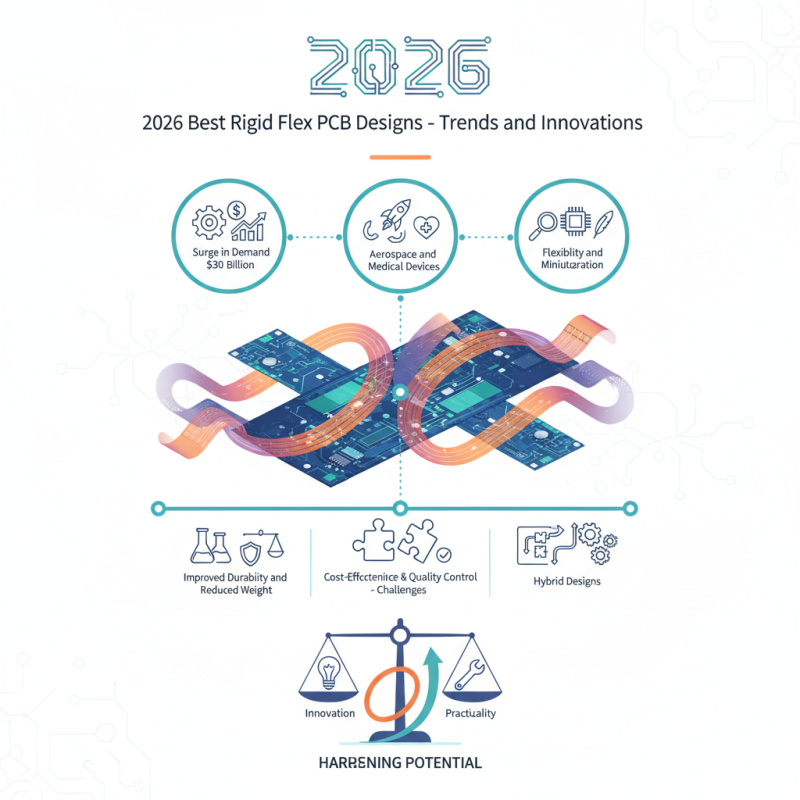
The evolution of PCB rigid flex technology is reshaping electronics in 2026. This year, industry reports predict a surge in demand. The global market for rigid-flex PCBs is expected to reach approximately $30 billion by 2026. Significant innovations are enhancing flexibility and miniaturization in various sectors.
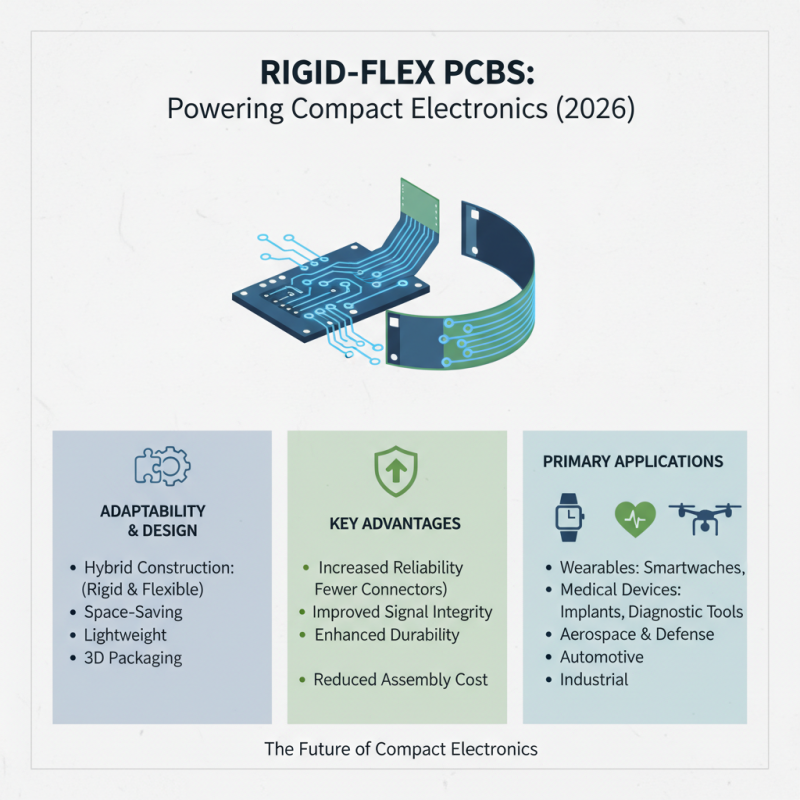
Companies are implementing advanced materials and manufacturing techniques. For instance, the integration of flexible substrates improves durability and reduces weight. These innovations are particularly crucial in aerospace and medical devices. However, challenges remain in ensuring cost-effectiveness and quality control.
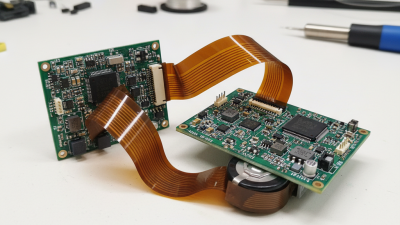
The trend towards hybrid designs is evident. Manufacturers are exploring combinations of rigid and flexible elements. Yet, addressing the complexities of production processes is vital for success. As the industry progresses, the balance between innovation and practicality draws attention. Businesses must navigate these dilemmas while harnessing the full potential of PCB rigid flex technology.
Current Trends in Rigid Flex PCB Designs for 2026
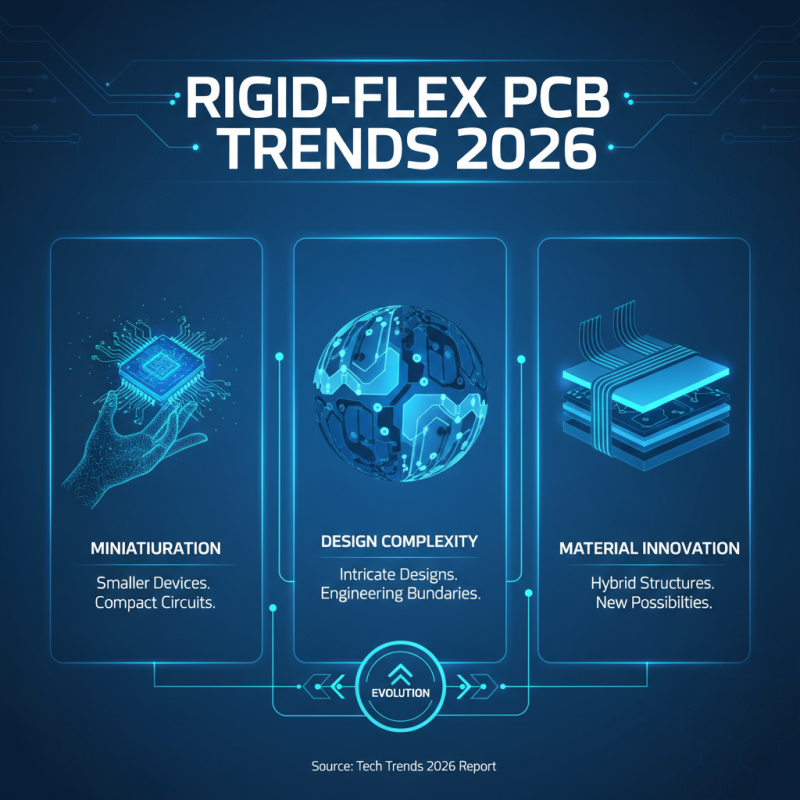
Rigid flex PCBs are evolving rapidly. In 2026, we're seeing exciting trends. Designers are focusing more on miniaturization. Smaller devices demand compact circuits. This leads to intricate designs that push engineering boundaries. The combination of rigid and flexible materials creates unique opportunities.
Sustainability is another key trend. Manufacturers are exploring eco-friendly materials. The industry is becoming more aware of environmental impacts. Innovations in recycling processes are gaining attention. Many are still figuring out how to incorporate these changes effectively.
Moreover, there is an emphasis on multifunctionality. Designers are integrating multiple functions into a single board. This approach can reduce weight and space. However, achieving this can lead to increased complexity. Many still struggle with balancing functionality and manufacturability. The challenge lies in creating reliable connections across various materials.
Innovative Materials and Technologies Revolutionizing PCB Manufacturing
The PCB manufacturing industry is undergoing a significant transformation. Innovative materials are at the forefront of this change. For instance, the adoption of flexible substrates, such as polyimide, enhances performance and flexibility. According to recent industry reports, the demand for rigid-flex PCBs is expected to grow by over 9% annually through 2026. This growth is driven by advancements in technology and miniaturization of electronic devices.
New technologies make a big difference too. Advances in additive manufacturing enable more complex designs. This approach reduces waste and lowers costs, making it attractive for manufacturers. However, implementing these technologies can be challenging. Companies face steep learning curves and must ensure quality amid rapid changes.
Tip: Consider exploring various materials before finalizing designs. Each material has unique properties and implications.
Moreover, innovative laminates are emerging, providing improved thermal management and electrical performance. As regulations tighten, manufacturers must adapt. Balancing innovation with compliance can be tricky but necessary.
Tip: Stay updated on industry standards to ensure designs meet necessary regulations.
Both materials and methods are evolving. As challenges arise, continuous learning and adaptation will be key to staying competitive in this dynamic landscape.
Challenges and Solutions in Rigid Flex PCB Design and Production
Rigid flex PCBs are becoming increasingly popular in various industries. However, their design and production come with significant challenges. According to a report by IPC, nearly 75% of manufacturers face issues with the integration of rigid and flexible materials. The complexity of layering these materials often leads to higher manufacturing costs and longer lead times.
On the production side, maintaining uniform thickness is crucial. Inconsistent layers can result in weak points, causing potential failures in end products. A study from the Consumer Electronics Association highlights that defects can reach up to 18% during production. These defects not only inflate costs but also affect product reliability.
To mitigate these issues, enhanced design software is emerging. Advanced simulation tools help predict potential failure points before manufacturing. Moreover, process optimization techniques are gaining traction. Efforts are underway to streamline production workflows, aiming for at least a 20% reduction in lead times. However, despite advancements, many companies still struggle with the balancing act of innovation and cost control. Finding that sweet spot remains a significant challenge in the rigid flex PCB landscape.
Future Directions and Predictions for Rigid Flex PCB Innovations
The landscape of rigid flex PCB designs is evolving rapidly. Innovations are pushing boundaries, creating more compact and flexible electronics. In 2026, we can expect further integration of artificial intelligence in manufacturing processes. AI can optimize production lines and improve quality control. This shift may lead to more efficient designs tailored for specific applications.
Tips for designers: Focus on material selection. Advanced polymers can improve durability and flexibility. Innovations in layering techniques will also enhance performance while reducing costs. Staying abreast of new materials is essential for future developments.
As we embrace these trends, challenges remain. Design complexity increases with new requirements. Balancing flexibility and durability can be a tightrope walk. Designers need to reflect on strategies to mitigate potential risks in these advancements. The future of rigid flex PCBs holds great promise but demands careful consideration.