2026 Best Rigid Flex Rigid PCB Innovations and Trends?

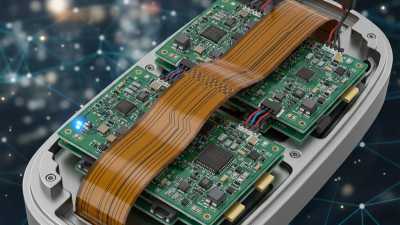
The realm of electronics is evolving rapidly, and at the forefront of this change is the rigid flex rigid PCB technology. This innovation merges the strengths of both rigid and flexible printed circuit boards. These hybrid solutions offer remarkable advantages in terms of space efficiency and design versatility. The global push for smaller, lighter devices fuels interest in this technology.

In 2026, we anticipate seeing heightened trends and innovations within the rigid flex rigid PCB landscape. Industries such as wearables, automotive, and aerospace will likely leverage these advancements. The integration of robust materials and smarter design practices will redefine applications. Yet, challenges remain. Developing reliable connections and ensuring durability can be complex tasks.

As we explore these emerging trends, a critical evaluation will be essential. The balance between performance and manufacturability will persist as a topic of discussion. By examining the advancements, we can assess both the promises and setbacks within the rigid flex rigid PCB field. Understanding these intricacies will be crucial for stakeholders aiming to harness this innovative technology.

2026 Best Rigid Flex Rigid PCB Innovations and Trends?

Innovations in Rigid Flex Rigid PCB Technology for 2026

The landscape of rigid flex rigid PCB technology is evolving rapidly for 2026. Advances in materials are a key focus. Flexible substrates made from polyimide are increasingly popular. These materials offer durability while maintaining flexibility. This combination enhances the lifespan of electronic devices. Additionally, new manufacturing processes streamline production. Techniques like laser drilling and advanced lamination reduce defects. This allows for complex designs with improved reliability.

Another trend is miniaturization. Components are shrinking, and rigid flex PCBs are adapting. The ability to nest components into a smaller area is crucial. This opens opportunities for wearable technology and compact gadgets. However, achieving this miniaturization poses challenges. Increased density can lead to overheating. Engineers need to find balance between size and performance.

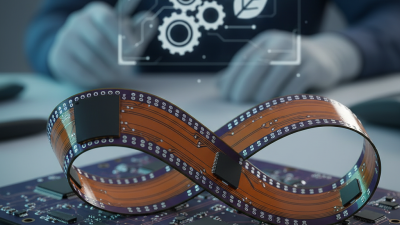
Sustainability also plays a significant role. Eco-friendly materials are emerging in PCB production. Companies are exploring ways to reduce waste. However, these sustainable options may not yet match conventional materials in performance. As the industry moves forward, addressing these imperfections will be essential. Continuous research and development will drive progress in rigid flex PCB technology.

2026 Best Rigid Flex Rigid PCB Innovations and Trends

Innovation/Trend Description Impact Expected Adoption Rate by 2026
High-Density Interconnection (HDI) Enhanced signal integrity and reduced size of PCBs through tighter spacing of features. Significantly boosts performance, ideal for compact electronic devices. 75%
Flexible Substrate Materials Use of advanced materials like polyimide for improved flexibility and thermal performance. Enhances durability and creates a wider range of applications. 80%
Embedded Components Technology Integration of passive and active components directly into the PCB layers. Reduces assembly complexity and enhances reliability. 60%
Sustainability Initiatives Adoption of eco-friendly materials and processes in PCB manufacturing. Positive environmental impact and compliance with regulations. 70%
Automated Production Techniques Increased use of robotics and AI in the PCB manufacturing process. Enhances precision and reduces manufacturing costs. 85%

Key Market Trends Influencing Rigid Flex Rigid PCB Development

The rigid flex PCB market is experiencing significant trends that shape its future. As devices become smaller and more complex, the demand for lightweight, compact solutions is increasing. This trend influences design strategies, pushing manufacturers to innovate. Enhanced durability and flexibility are crucial for modern applications, making rigid flex PCBs more appealing.

Materials play a vital role in this evolution. New substrates with improved thermal and electrical properties are being developed. These advancements lead to enhanced performance in various environments. Additionally, sustainability is becoming a focus. Eco-friendly materials are gaining traction as companies aim to reduce their carbon footprint.

Tip: When considering rigid flex PCBs, it's important to evaluate material choices carefully. Look for reliable suppliers who prioritize innovation.

User demand for greater functionality in smaller spaces continues to drive change. This often leads to complex designs that are challenging to implement. Balancing performance with manufacturability is a key obstacle. Engineers must rethink traditional processes to meet these new demands.

Tip: Always keep an open line of communication with your engineering team. Discuss potential design challenges early in the development phase.

2026 Best Rigid Flex Rigid PCB Innovations and Trends

This chart illustrates the key trends influencing the development of Rigid Flex PCBs in 2026. Each trend is scored based on its anticipated market influence, showcasing the importance of High-Density Interconnects and Flexible Circuit Integration in advancing Rigid Flex technology.

Advancements in Materials for Enhanced Rigid Flex Rigid PCBs

The rigid flex PCB market is evolving rapidly. Industry reports indicate a projected growth rate of 10% annually through 2026. This trend underscores the demand for innovative materials. Professionals in the field are focusing on improving material performance. Enhanced thermoplastics and advanced adhesive technologies are leading this change.

Recent advancements in polyimide films have shown significant promise. These materials are now more flexible and can withstand higher temperatures. The use of embedded components within PCBs also continues to rise. It allows for better design efficiency while minimizing space. However, the synchronization of materials with manufacturing processes remains a challenge. Achieving the right balance is crucial for optimizing product reliability.

Emerging materials such as liquid crystal polymers (LCPs) also contribute to this innovation wave. Their lightweight and durable nature suits applications in aerospace and medical devices. Yet, these materials pose manufacturing challenges. The complexity of processing can lead to increased costs and potential quality issues. Ongoing research is essential to refine these processes and unlock the full potential of rigid flex PCBs.

Impact of Miniaturization on Rigid Flex Rigid PCB Designs

The impact of miniaturization on rigid flex rigid PCB designs is profound. As devices become smaller, the need for efficient, high-performance PCBs grows. A report by IPC predicts that the global PCB market will reach $80 billion by 2026, driven largely by miniaturization trends. Smaller components result in tighter layouts, demanding more precise design and manufacturing processes.

Design engineers face challenges. Reducing size often compromises thermal management and mechanical stability. They must balance miniaturization with functionality. According to a study by ResearchAndMarkets, 35% of PCB design teams struggle to meet these requirements due to limited board space and intricate routing needs. This complexity can lead to increased production costs and longer lead times, sparking a need for innovative design approaches.

Flexible circuits offer a solution. They allow for 3D designs that fit multifunctional components. Research shows that incorporating flexibility in designs can reduce board thickness by up to 50%. Yet, material selection becomes critical. There are concerns over the reliability of materials under stress. Designers must navigate these risks while delivering compact solutions that endure rigorous performance demands.

Sustainability Practices in the Rigid Flex Rigid PCB Industry

2026 Best Rigid Flex Rigid PCB Innovations and Trends?

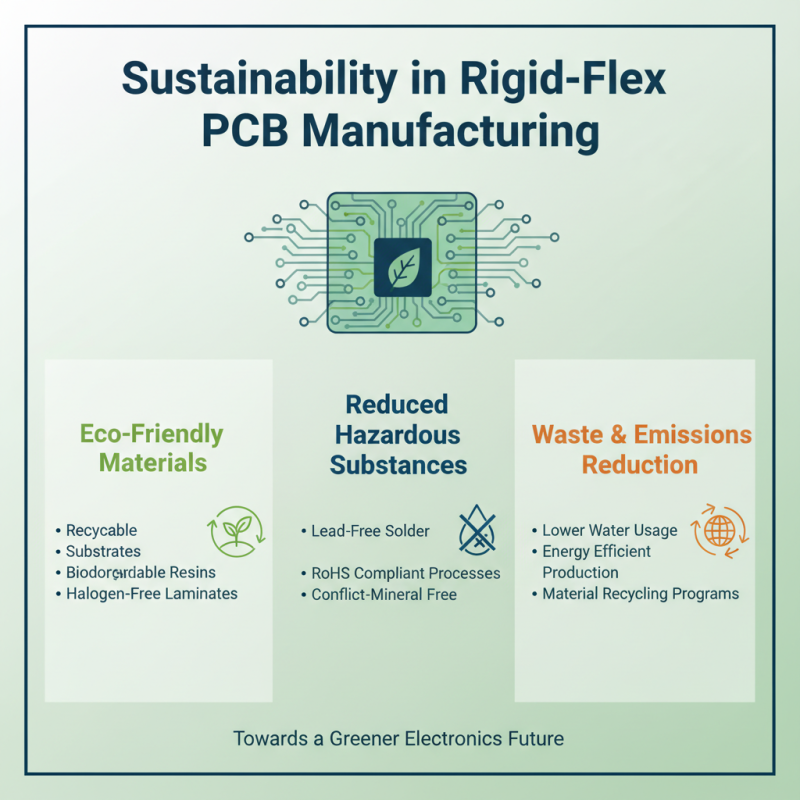
The rigid flex PCB industry is gradually embracing sustainability. This shift is driven by mounting environmental concerns. Manufacturers are prioritizing eco-friendly materials and processes. For instance, they are using recyclable substrates and reducing hazardous materials in production. Such practices contribute to lower waste and carbon emissions.

Reducing energy consumption is another key trend. Companies are investing in energy-efficient machinery. This not only cuts costs but also minimizes the environmental impact. Moreover, there is a move towards adopting local supply chains. This approach reduces transportation emissions and fosters local economies.

However, not all challenges are addressed. Many firms still rely on traditional practices. This reluctance can hinder the adoption of sustainable methods. Additionally, the costs associated with transitioning to greener technologies may deter smaller players. Balancing sustainability with profitability remains a significant hurdle. The industry needs to innovate while acknowledging these complexities.