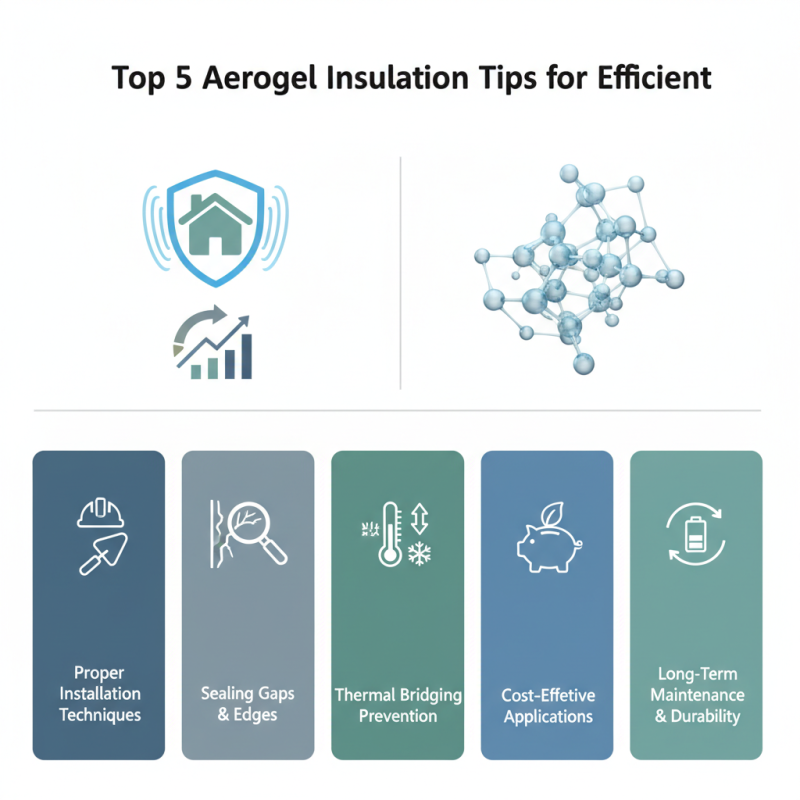
Top 5 Aerogel Insulation Tips for Efficient Energy Saving?
In today's quest for energy efficiency, Aerogel Insulation stands out as a remarkable solution. This innovative material offers superior thermal resistance, making it an essential choice for modern buildings. Many homeowners and builders are exploring how to maximize its benefits. Yet, the application of Aerogel Insulation is not without challenges.
Understanding the unique characteristics of Aerogel is crucial. It’s lightweight and extremely effective at reducing heat transfer. However, its cost and handling requirements can be daunting. Each installation project presents opportunities for improvement and error.
Applying the right techniques can significantly enhance the performance of Aerogel Insulation. As we explore the top five tips for using this material, you will discover ways to overcome common issues. By focusing on these strategies, users can ensure their energy savings are both effective and sustainable.
Understanding Aerogel: Properties and Benefits for Insulation
Aerogel is a remarkable material known for its outstanding insulation properties. It has a very low thermal conductivity, often reported below 0.03 W/mK. This means it can significantly reduce heat loss in buildings. Studies by the Massachusetts Institute of Technology highlight how aerogel can outperform traditional insulation materials by up to three times in thermal resistance.
The lightweight nature of aerogel also plays a crucial role in its application. It can be more effective in space-constrained environments. A report from the Oak Ridge National Laboratory mentions that aerogel’s density can be as low as 0.003 g/cm³. This feature makes it an excellent choice for retrofitting older structures. Existing inefficiencies in insulation can be addressed using this innovative material, though its high initial cost remains a challenge.
While aerogel's benefits are clear, some aspects require careful consideration. The fragility of aerogel can pose obstacles during installation. Proper handling is crucial to avoid breakage, which can lead to increased costs. Additionally, ongoing research is necessary to improve its resilience and lower manufacturing costs. These reflections highlight the need for further innovation in aerogel technologies to enhance its practicality for broader applications.
Top 5 Aerogel Insulation Tips for Efficient Energy Saving
This bar chart illustrates the key properties of aerogel insulation material, showcasing its excellent thermal conductivity, low density, and effective structural strength. These characteristics make aerogel an ideal choice for energy-efficient insulation solutions.
Selecting the Right Type of Aerogel for Your Insulation Needs
When selecting aerogel for insulation, consider different types. Silica aerogels are popular for their lightweight and high thermal resistance. They excel in reducing heat flow with minimal thickness. Polymeric aerogels, on the other hand, offer flexibility and better handling under stress. These might suit applications in spaces with frequent movement or fluctuating temperatures.
Each type of aerogel brings unique benefits. For instance, silica aerogels tend to be more expensive and fragile. In contrast, polymeric versions are often more affordable and resilient but may have a higher thermal conductivity. Assessing your specific needs is crucial. Examine aspects like project budget, insulation thickness, and environmental factors.
Don't overlook the installation process. Proper application significantly impacts efficiency. Even the best aerogel can underperform if not installed correctly. Be aware of user errors during application—this can lead to air gaps or thermal bridging. Researching best practices can promote effective usage and truly maximize energy savings.
Installation Techniques for Optimal Aerogel Performance
When installing aerogel insulation, precision is key. Start by measuring your space accurately. This helps in cutting panels to the right dimensions. An incorrect size can lead to gaps, reducing overall efficiency. Also, remember that surface preparation matters. A clean and dry surface ensures better adhesion and performance.
During installation, use appropriate tools. A utility knife and a straight edge work well for cutting aerogel. However, handling the material requires care. Aerogel can be delicate, so avoid applying too much pressure. Moreover, when sealing joints, special care in choosing adhesives is vital. Not all adhesives work well with aerogel. Consider consulting experts for the best options.
Finally, inspect your work regularly. Look for any misalignments or gaps post-installation. Identifying issues early can help you make necessary adjustments. Some may find it challenging to achieve perfection in this process. Yet, taking the time for a quality installation pays off in energy savings. Reflect on your techniques and learn for future projects.
Maintenance Tips to Maximize Aerogel Insulation Efficiency
Aerogel insulation has gained popularity due to its superior thermal performance. To maintain its efficiency, regular inspections are essential. Checking for any cracks or degrading materials is crucial. Studies show that small defects can significantly reduce insulation effectiveness. Even a minor breach can lead to energy losses of up to 20%.
Proper installation is another key factor. Aerogel must be installed with precision, ensuring no gaps exist. A report from the Department of Energy emphasizes that poorly installed insulation can compromise energy efficiency, leading to higher heating and cooling costs. Routine maintenance, including cleaning surfaces, can help preserve aerogel performance.
Humidity control is vital too. Aerogel can absorb moisture, which may impact its insulation properties. Maintaining optimal humidity levels in enclosed spaces helps keep aerogel efficient. A relative humidity level of around 30-50% is ideal. While aerogel insulation is robust, neglecting these maintenance tips could lead to unintended energy inefficiencies. Regular assessment and proactive care are essential steps to ensure optimal performance.
Top 5 Aerogel Insulation Tips for Efficient Energy Saving
| Tip | Description | Benefits |
| 1. Proper Installation | Ensure that aerogel insulation is installed correctly to avoid air gaps. | Maximizes insulation effectiveness and saves energy costs. |
| 2. Use Vapor Barriers | Install vapor barriers to prevent moisture buildup that can degrade insulation. | Protects insulation integrity and enhances thermal performance. |
| 3. Regular Inspections | Conduct regular checks for signs of wear or damage, especially in high-traffic areas. | Maintains optimal performance and prolongs lifespan. |
| 4. Upgrade HVAC Systems | Pair aerogel insulation with energy-efficient HVAC systems for best results. | Increases overall energy savings and comfort levels. |
| 5. Consider Professional Help | Hire professionals for installation to ensure all guidelines are followed. | Reduces risk of improper installation and maximizes effectiveness. |
Comparing Aerogel with Other Insulation Materials for Energy Savings
When comparing aerogel to traditional insulation materials, the differences become striking. Aerogel offers superior thermal performance. Its lightweight structure traps air, reducing heat transfer. This makes it more efficient than fiberglass or foam, which often loses effectiveness over time. In fact, aerogel can achieve the same insulation value with a thinner profile. Imagine your walls being just a few inches thick yet providing optimal energy savings.
Moreover, aerogel is moisture-resistant. This is a key advantage in preventing mold and decay. Traditional materials may absorb moisture, which leads to issues over time. While aerogel can be more expensive upfront, its durability and energy-saving capabilities often pay off in the long run. Homeowners must weigh the initial cost against potential energy bills.
However, not everyone may be familiar with aerogel installation techniques, and this can pose challenges. Proper installation ensures maximum efficiency, and even slight missteps can hinder performance. Overall, while aerogel shines in energy savings, the nuances of its application require attention. Understanding both its strengths and weaknesses gives homeowners a clearer perspective.