Top Benefits of Using Flex PCB Board in Modern Electronics Innovations?
In the rapidly evolving field of electronics, the flex PCB board stands out as a critical innovation. As Dr. Emily Chen, a leading expert in flexible electronics, notes, “Flex PCBs enable designs that were once unimaginable.” These boards offer unique advantages, including reduced size and weight, making them ideal for compact devices.
Flex PCBs are essential in modern gadgets, from smartphones to medical equipment. Their adaptability allows for intricate designs that traditional boards cannot achieve. This flexibility leads to improved efficiency and greater performance. However, challenges remain, such as the complexities in manufacturing and design processes that require careful consideration.
Many companies admire the benefits but struggle with implementation. Ensuring reliability and alignment during production is difficult. Additionally, the materials used can affect durability and performance. The balance between innovation and practicality is crucial as the industry strives for better solutions with flex PCB board technology.

Overview of Flex PCB Boards in Modern Electronics
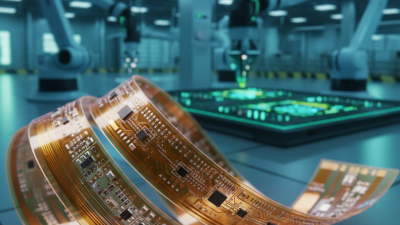
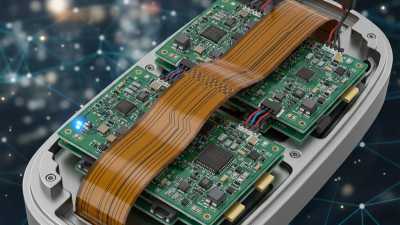
Flex PCB boards are increasingly embraced in modern electronics. They offer unique advantages, making them suitable for various applications. These boards are lightweight and flexible, allowing for designs that traditional rigid boards cannot achieve. They can bend and fold, fitting into compact spaces effortlessly. This flexibility enhances portability in devices like smartphones and wearables.
Moreover, flex PCBs contribute to reducing the overall size of electronic devices. This is crucial in today's market, where space is often limited. However, the manufacturing process can be complex. Engineers must ensure that the layers are accurately aligned. Improper alignment may lead to device failures. Additionally, while flex PCBs can save space, they may also require more careful handling during assembly. This can create challenges for manufacturers.
The potential for innovation with flex PCBs is vast, yet not without pitfalls. Designers must strike a balance between flexibility and durability. Over-flexibility can lead to damage or failure over time. Finding that sweet spot is essential for successful product design. Flex PCB technology fosters exciting developments, but practitioners must navigate its intricacies carefully.
Key Advantages of Flex PCBs Over Traditional Rigid Boards
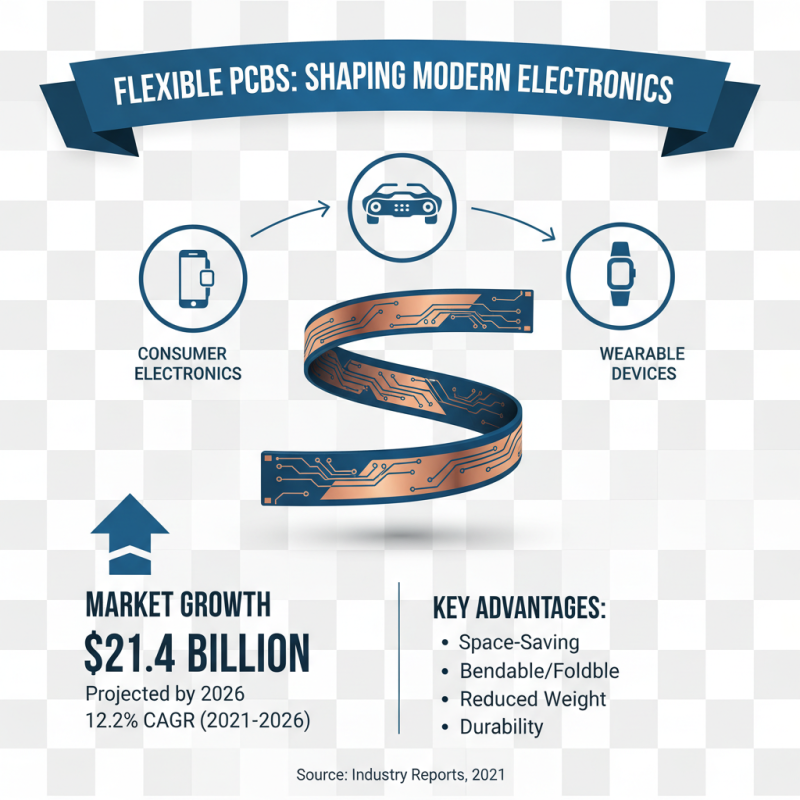
Flexible printed circuit boards (Flex PCBs) have emerged as a pivotal technology in modern electronics. They present unique advantages over rigid boards, particularly in space-constrained applications. According to industry reports, the global flexible printed circuit board market is projected to reach $21.4 billion by 2026, reflecting a compound annual growth rate of 12.2% from 2021. This surge indicates a strong demand driven by innovations in sectors like consumer electronics, automotive, and wearable devices.
One key advantage of Flex PCBs is their ability to fit into tight spaces and complex geometries. They can be bent, folded, or twisted, allowing for innovative designs that rigid boards simply cannot accommodate. For instance, in smartphones, this flexibility can improve connectivity and enhance overall performance without adding bulk. Research suggests that utilizing Flex PCBs can save up to 80% in space compared to traditional boards. Nevertheless, they are often perceived as more challenging to manufacture, which can lead to higher production costs.
Another benefit lies in their durability. Flex PCBs withstand high levels of stress, vibration, and temperature extremes, making them ideal for demanding environments. Reports indicate that they tend to have better lifespan compared to rigid boards. However, their sensitivity to handling during assembly can be a drawback, as damages may occur. This aspect prompts manufacturers to rethink their assembly processes, ensuring that Flex PCBs are treated with the utmost care to prevent defects. The balance between durability and manufacturing challenges continues to encourage innovation in this field.
Applications of Flex PCBs in Innovative Electronic Devices
Flexible Printed Circuit Boards (Flex PCBs) have transformed modern electronics. Their applications span various innovative devices, enhancing function and compactness. For instance, wearable technology heavily relies on Flex PCBs. These boards fit snugly into small spaces, allowing devices to maintain a sleek design. Users appreciate the lightweight nature of these circuits.
In smartphones, Flex PCBs help streamline internal layouts. This leads to better performance and more features in a slimmer profile. However, challenges exist. The manufacturing process can be complex. Ensuring quality control becomes crucial. A single flaw can disrupt device functionality. Thus, companies must balance innovation and reliability.
Moreover, in medical devices, Flex PCBs play a critical role. They are used in portable diagnostic tools. Such tools provide convenience and accuracy. Nevertheless, the sensitivity of these circuits raises concerns about durability. Frequent handling can lead to wear and tear. Designers need to consider these factors to improve longevity and performance.
Top Benefits of Using Flex PCB Board in Modern Electronics Innovations
| Benefits |
Description |
Applications |
| Space Saving |
Flex PCBs can be bent and shaped, allowing for compact designs in electronic devices. |
Smartphones, Wearable Devices |
| Lightweight |
Flex PCBs are lighter than traditional rigid PCBs, reducing the overall weight of devices. |
Drones, Medical Equipment |
| Increased Durability |
Flex PCBs can withstand bending and twisting, leading to enhanced product lifespan. |
Consumer Electronics, Automotive Applications |
| Cost-Effectiveness |
Reduced assembly time and lower material costs make flex PCBs a cost-efficient option. |
Robotics, IoT Devices |
| Better Performance |
Flex PCBs can optimize signal integrity and reduce interference for improved performance. |
Network Equipment, High-Frequency Devices |
Impact of Flex PCB Technology on Design and Manufacturing Processes
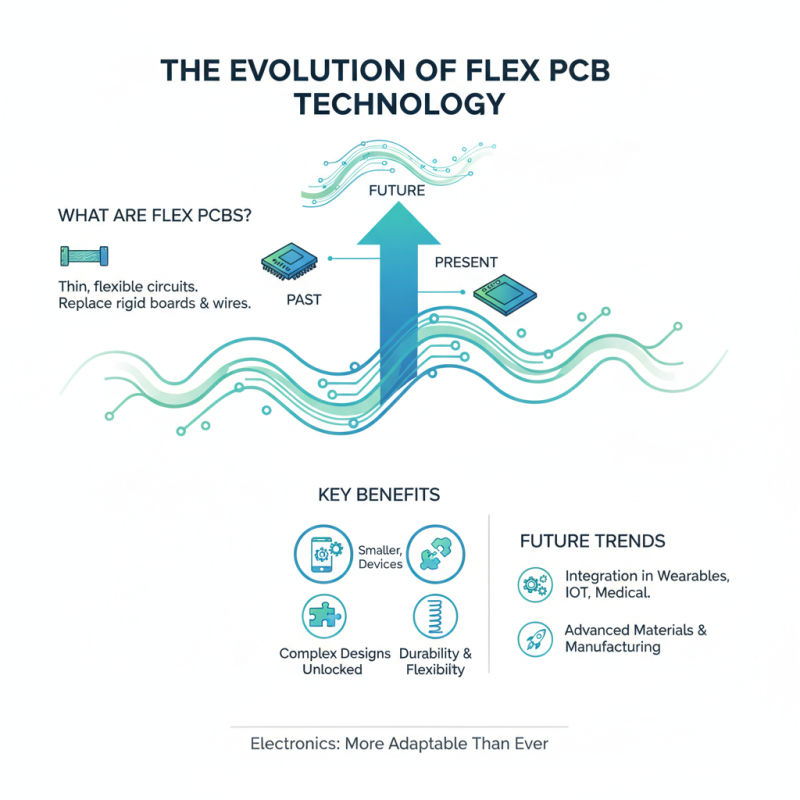
Flex PCB technology significantly alters design and manufacturing processes in electronics. These flexible circuits enable intricate designs that were once hard to achieve. The flexibility allows for innovative shapes and layers, which saves space in devices. Designers can create smaller and lighter products, enhancing user experience and increasing portability.
Furthermore, the manufacturing processes benefit from Flex PCBs. They reduce the number of components needed in a device, leading to simpler assembly. This simplification can sometimes result in overlooked quality checks. Manufacturers may rush to produce, sacrificing thorough inspections. Additionally, the adaptability of flex circuits can lead to a steep learning curve for teams unfamiliar with this technology.
As companies embrace Flex PCBs, challenges arise. Managing the material costs can be tricky. While the production can be cost-efficient in large quantities, prototyping may strain budgets. Thus, teams must balance innovation with practicality. Flex PCB technology continues to push boundaries while demanding thoughtful adaptation in the production landscape.
Future Trends in Flex PCB Development for Electronics Industry
Flex PCB technology is rapidly evolving, impacting modern electronics. As devices become smaller and more complex, flex PCBs offer solutions to design challenges. The future holds promising advancements as industries seek more flexible, lightweight circuits.
One trend is the integration of sensors with flex PCBs. As wearables gain popularity, these circuits can stretch and bend without losing functionality. This adaptability opens new possibilities for consumer electronics. Manufacturers must invest in research to explore these developments.
Tips: Ensure your designs accommodate various bending radii. Use simulation tools to anticipate flex performance. This can prevent costly errors during production.
Another focus is sustainability. As environmental concerns grow, manufacturers will need to develop eco-friendly materials. Innovations in biodegradable substrates will likely emerge. It's essential to balance performance with environmental responsibility.
Tips: Start considering sustainable materials early in your design process. Collaborate with suppliers committed to eco-friendly practices. This is critical for future compliance and market acceptance.