Top 10 Benefits of Flexible Printed Circuits for Electronics?
In the rapidly evolving electronics industry, flexible printed circuits (FPCs) have become essential. Renowned expert Dr. James Carter, a leader in flexible electronics, states, "The design freedom of flexible printed circuits opens up new possibilities." These circuits adapt to various shapes, making them invaluable in modern gadgets.
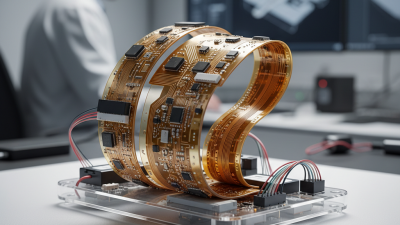
Flexible printed circuits are thinner and lighter than traditional options. This allows for more compact designs. They can withstand bending and twisting, enhancing device longevity. Industries have seen increased demand for these adaptable circuits. Their versatility makes them ideal for wearable technology and medical devices.
However, challenges still exist in the realm of flexible printed circuits. Quality control can be difficult due to their complex manufacturing processes. Additionally, innovation must keep pace with technological advancements. As we explore the benefits of FPCs, we must recognize these challenges and strive for improvement. The world of flexible printed circuits is promising but requires careful consideration.
Benefits of Lightweight Design in Flexible Printed Circuits
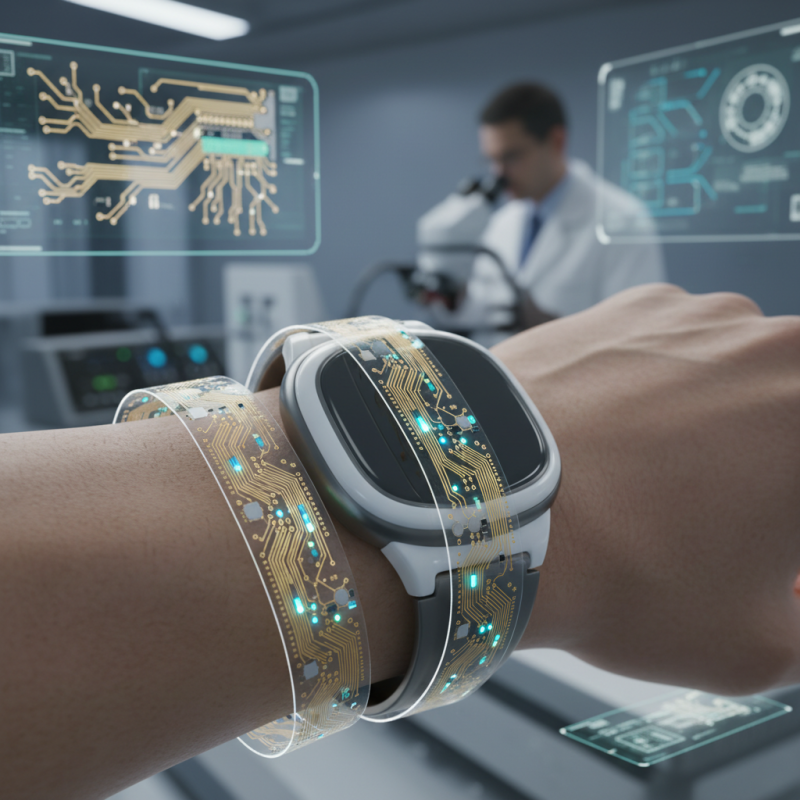
Flexible printed circuits (FPCs) offer substantial benefits in lightweight design. These circuits are typically made from materials such as polyimide or polyester, which are lighter than traditional rigid PCBs. Reports indicate that FPCs can be up to 75% lighter than their rigid counterparts. This weight reduction is crucial for applications where every gram counts, such as in aerospace and portable electronics.
Moreover, the lightweight nature of FPCs enhances overall device performance. A lighter design allows for better energy efficiency, reducing power consumption in battery-operated devices. According to recent industry studies, devices with FPCs can achieve up to 30% longer battery life compared to those using rigid circuits. The reduced weight also enables manufacturers to explore creative designs, incorporating tighter spaces and unique shapes without compromising functionality.
However, relying on lightweight materials can pose challenges. The manufacturing process can be more complex, which may lead to higher costs. Additionally, durability may be a concern, as thinner materials can be more susceptible to wear and tear. These factors require careful consideration during the design phase. Balancing lightweight advantages with the need for robustness is essential in creating reliable electronic devices.
Top 10 Benefits of Flexible Printed Circuits for Electronics
| Benefit | Description | Impact |
|---|---|---|
| Lightweight Design | Flexible printed circuits (FPCs) are significantly lighter than traditional rigid circuits. | Reduces overall product weight, beneficial for portable devices. |
| Space Saving | FPCs can be designed to fit into smaller spaces due to their flexibility. | Enables more compact product designs and smaller enclosures. |
| Enhanced Durability | Designed to withstand bending and twisting, reducing the risk of damage. | Increases longevity and reliability of electronic devices. |
| Cost Efficient | Lower production costs due to fewer materials and reduced assembly time. | Cost savings in manufacturing and reduced labor expenses. |
| Improved Signal Integrity | Shorter connections and reduced crosstalk enhance performance. | Increases the performance of high-frequency applications. |
| Design Flexibility | Allows for intricate designs that traditional boards cannot accommodate. | Facilitates innovative product designs tailored to specific needs. |
| Thermal Management | Capable of dissipating heat effectively due to material properties. | Prevents overheating and increases the reliability of electronics. |
| Lower Noise Interference | Reduced electromagnetic interference (EMI) improves signal quality. | Enhances overall device performance, particularly in sensitive applications. |
| Labor Reduction | Easier assembly process reduces labor costs and assembly time. | Improves efficiency in production lines. |
| Environmental Benefits | Reduced material waste and energy consumption during manufacturing. | Contributes to more sustainable production practices. |
Enhanced Space Efficiency with Flexible Printed Circuit Technology
Flexible printed circuits (FPCs) offer remarkable advantages in space efficiency for various electronic devices. These circuits can bend, twist, and conform to tight spaces. This flexibility reduces the overall size of the devices, allowing for more compact designs. Manufacturers find that they can fit more functionality into smaller packages.
Moreover, FPCs can be layered more efficiently than traditional circuits. This makes it easier to use vertical spaces within devices. Components can be packed closer together without compromising performance. However, this design approach requires careful planning and expertise. Mistakes in layout can lead to significant losses in production time and resources.
Engineers must pay attention to material properties and thickness. Not all designs benefit equally from FPC technology. In some cases, the advantages may not outweigh the complexity it introduces. Balancing size and functionality demands a thoughtful approach. Embracing this technology without hesitation could lead to innovation, but a cautious evaluation is essential to avoid pitfalls.
Improved Reliability and Durability of Electronics Using Flex Circuits
Flexible printed circuits (FPCs) offer significant improvements in the reliability and durability of electronic devices. These circuits can absorb mechanical stress, reducing the risk of breakage. They are ideal for complex applications where conventional rigid circuits might fail. When subjected to bending, FPCs maintain connectivity without compromising performance. This flexibility is essential in modern gadgets that demand compact and lightweight designs.
Moreover, FPCs are resistant to fatigue. Unlike traditional circuits, which may develop cracks over time, flexible circuits endure repetitive movements. They perform well under extreme conditions, including temperature fluctuations. As a result, devices like smartphones and wearables can function more reliably. However, creating FPCs can be challenging. The materials and processes used can sometimes lead to defects.
Inserting flexible circuits also presents design challenges. Engineers must carefully consider layout and connections. Poor design can negate the benefits of flexibility. Even though the potential is remarkable, attention to detail is crucial. Proper testing and validation ensure that reliability and durability meet the highest standards. Balancing flexibility with robustness remains an ongoing area for improvement.
Cost-Effectiveness of Manufacturing Flexible Printed Circuits
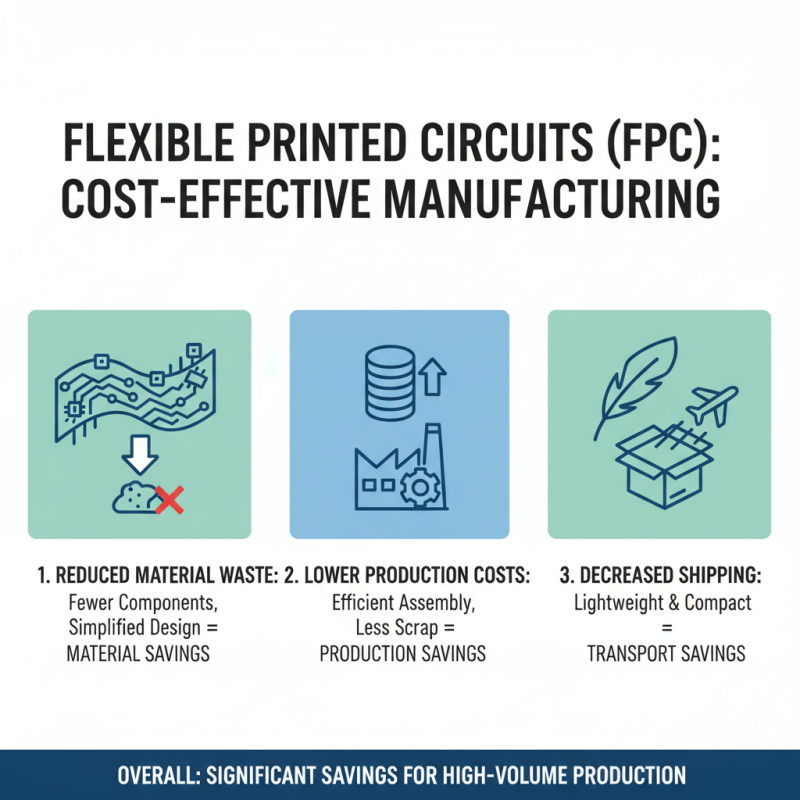
Flexible printed circuits (FPCs) offer notable cost-effectiveness in manufacturing. They reduce material waste by utilizing fewer components compared to traditional rigid boards. This simplification can lead to significant savings. Additionally, the lightweight nature of FPCs often allows for lower shipping costs. Every little bit helps when producing in large volumes.
Manufacturing processes for FPCs can be streamlined. Fewer items in assembly mean reduced labor costs. However, initial setup can be a challenge, demanding high precision. One must balance setup costs with long-term gains. Designers also need to consider potential complexities in circuit layouts. A more intricate design might actually increase costs. Still, the ability to create compact, versatile shapes remains attractive.
In conclusion, while FPCs can be a financially smart choice, careful planning is essential. Risks exist in design and manufacturing that may offset the benefits. Each project deserves a tailored approach to optimize both efficiency and performance. This reality requires ongoing reflection and adjustment in production strategies.
Versatile Applications of Flexible Printed Circuits in Modern Electronics
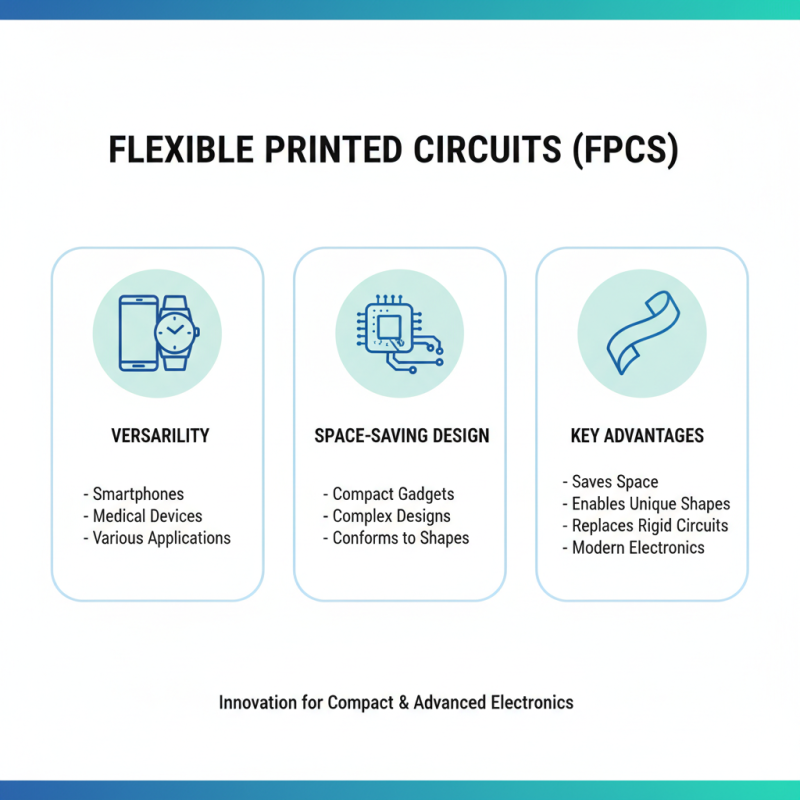
Flexible printed circuits (FPCs) are increasingly popular in modern electronics. Their versatility allows them to be used in various applications. These circuits are found in smartphones, wearables, and medical devices. The flexibility helps in saving space and enables complex designs. FPCs can easily conform to various shapes, which traditional rigid circuits cannot. This trait is vital in today’s compact gadgets.
One key application of FPCs is in wearable technology. Devices like fitness trackers rely on their thinness and adaptability. They fit snugly against the skin, providing comfort for users. Similarly, in medical devices, FPCs can be crucial. They allow for lightweight construction, making devices easier to handle and wear. This enhances user experience, especially in critical applications.
Tips: When designing with FPCs, consider the environment. Ensure they are shielded from moisture and dust to enhance durability. Also, think about the layout. The arrangement can affect performance. If space is tight, be mindful of wiring paths and connections. Imperfections in design can lead to issues down the line. Reflections on these aspects can lead to more reliable products.
Related Posts
-
2025 Trends in Flexible Printed Circuit Boards: Innovations and Applications
-
Understanding the Importance of Flexible Printed Circuits in Modern Electronics
-
Top 10 Benefits of Using Flex PCB Boards in Modern Electronics
-

Top 10 Tips for Choosing the Best Flex PCB Board for Your Project
-

Top Benefits of Using Flex PCB Board in Modern Electronics Innovations?
-

10 Best Flexible Circuit Boards for Innovative Electronics?