
Top 10 Benefits of Laser Cutting for Global Buyers?
In today's fast-paced manufacturing world, Laser Cutting stands out as a game-changer. This technology revolutionizes how products are designed and manufactured. With precision, speed, and efficiency, laser cutting offers numerous advantages for global buyers.
Many industries benefit from laser cutting, including automotive, aerospace, and electronics. The ability to create intricate designs quickly is unmatched. However, not all laser cutting services are equal. Buyers must consider factors like service quality, technology used, and expertise.
While laser cutting presents many benefits, challenges exist. Inexperienced providers may lead to waste and delays. Buyers must conduct thorough research. Understanding both the advantages and the potential pitfalls is crucial for making informed decisions. Laser cutting can indeed transform operations but requires consideration and strategy.
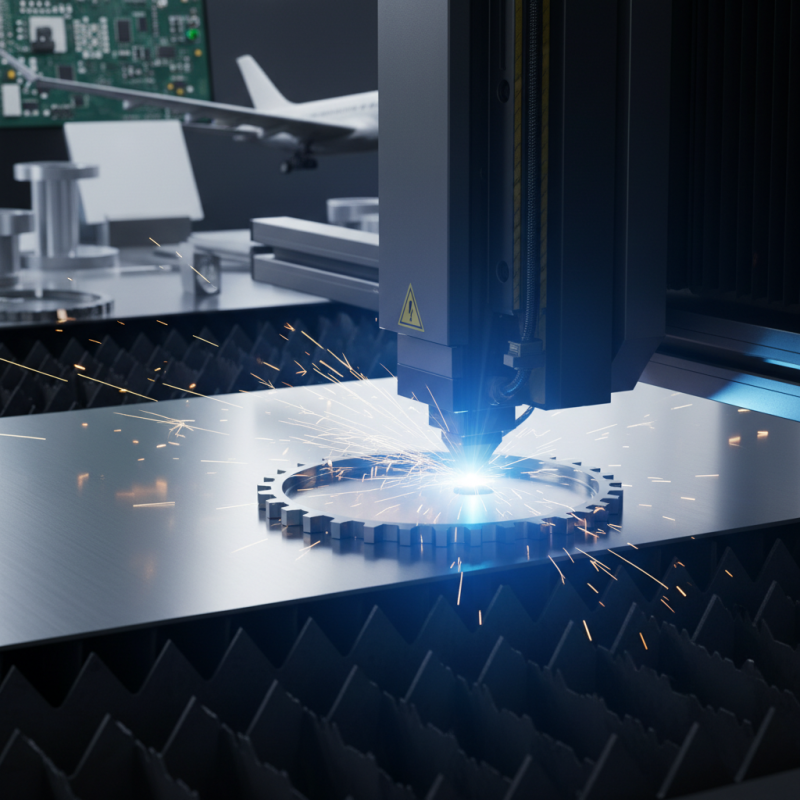
Advantages of Precision in Laser Cutting for Various Industries
Laser cutting technology has transformed various industries with its precision and efficiency. Reports indicate that laser cutting can achieve tolerances as tight as ±0.002 inches. This level of accuracy benefits sectors like aerospace, automotive, and electronics. Manufacturers can create complex shapes with minimal waste. In a time where sustainability is critical, this efficiency allows for reduced material consumption.
In the medical device industry, precision is paramount. Laser cutting ensures that intricate designs are carried out with utmost accuracy. A recent industry analysis suggests that integrating laser cutting into manufacturing processes can enhance production speed by up to 30%. Nonetheless, this technology may not be suitable for every material. Certain metals and thick materials pose challenges that require careful consideration. Moreover, the initial investment in laser cutting machinery can be substantial. Companies must weigh these factors against the long-term benefits.
Cost efficiency is another consideration. While laser cutting reduces waste, the operational costs can vary significantly. Some organizations may find it challenging to maintain the necessary equipment, leading to potential downtime. Adopting laser cutting requires a learning curve and skilled operators. These imperfections create opportunities for reflection and improvement within production workflows. Balancing precision with cost and materials remains an ongoing challenge in the industry.
Cost-Effectiveness: How Laser Cutting Reduces Material Waste
Laser cutting technology offers numerous advantages, particularly in reducing material waste. By focusing laser beams with high precision, this method allows for complex cuts with minimal excess. Traditional cutting methods often generate a significant amount of scrap material. In contrast, laser cutting optimizes material usage, making it a compelling choice for manufacturers.
When businesses adopt laser cutting, they notice immediate cost savings. Reduced material waste means lower expenses for raw materials. Additionally, the efficiency of the process can lead to quicker production times. This rapid turnaround can be crucial for meeting tight deadlines. Yet, not all companies fully understand the benefits, leading to underutilization of this technology.
Despite its perks, laser cutting is not without challenges. Some materials may not cut as cleanly, requiring adjustments. The initial investment in laser cutting equipment can be substantial. Companies need to weigh these factors against potential long-term savings. Adopting laser cutting should involve careful consideration of these aspects to maximize its benefits.
Versatility in Material Types for Laser Cutting Applications
Laser cutting has transformed manufacturing across various industries, allowing for greater versatility in material usage. This technology excels not only in cutting metals but also in processing plastics, wood, and textiles. According to a report from MarketsandMarkets, the global laser cutting market is expected to reach $5.5 billion by 2026. This growth indicates a rising demand from industries needing precise cutting solutions.
When considering laser cutting, choosing the right material is crucial. Materials like stainless steel and aluminum are common, but composites and wood can also be effectively cut. Each type has unique characteristics that affect the cutting process, such as thickness and density. This versatility supports innovative applications, from automotive parts to intricate designs in art and decor.
Tips: Always test small samples of material before starting large projects. Understand the power settings required for different materials. Adjust the speed and focus to achieve the cleanest cuts. Be mindful that while laser cutting offers precision, it may require post-processing depending on the material type and thickness. Keep in mind the cost of material and the waste generated during the process, as this could impact project budgets.
Enhanced Design Flexibility and Customization Possibilities
Laser cutting has revolutionized manufacturing, offering remarkable design flexibility and customization possibilities. This technology allows for complex shapes and intricate details that traditional methods struggle to achieve. Designers can experiment with various materials and thicknesses without the constraints faced by conventional cutting processes. As a result, a broader range of unique, customized products can cater to diverse needs.
When utilizing laser cutting, it is essential to focus on the design stage. Small mistakes in the initial design can lead to inefficiencies and wasted materials. Consider prototyping your design first. This step can prevent larger issues in production. A well-thought-out design can save both time and costs.
Another aspect to reflect on is the choice of materials. While laser cutting offers versatility, not all materials yield the same quality. Some materials may warp or burn, affecting the final product's integrity. Testing various options is crucial. Each choice impacts the outcome significantly—but don’t be afraid to take risks for innovation.
Top 10 Benefits of Laser Cutting for Global Buyers
| Benefit | Description | Industry Application |
|---|---|---|
| Enhanced Design Flexibility | Allows for intricate designs and shapes that are difficult to achieve with traditional cutting methods. | Manufacturing, Aerospace |
| High Precision | Offers superior accuracy and repeatability, producing parts that meet tight tolerances. | Electronics, Medical Devices |
| Material Versatility | Compatible with a wide range of materials including metals, plastics, wood, and more. | Automotive, Furniture |
| Cost-Effective for Low Production Runs | Minimizes waste and reduces costs, especially for small batch productions. | Artistic Products, Prototyping |
| Speed and Efficiency | Faster processing times compared to mechanical cutting methods, leading to quicker turnaround. | Fashion, Electronics |
| Minimal Post-Processing | Results in clean edges, reducing the need for additional finishing work. | Construction, Signage |
| Eco-Friendly Process | Produces less waste and emissions compared to conventional manufacturing techniques. | Sustainable Goods, Packaging |
| Automation and Integration | Easily integrates with computer-aided design (CAD) and manufacturing systems for automation. | Aerospace, Robotics |
| Safety Features | Modern laser cutting systems are equipped with various safety mechanisms to protect operators. | Medical, Industrial Workplaces |
| Customizable Settings | Operators can adjust power, speed, and frequency settings for different materials and thicknesses. | Custom Manufacturing, Craftsmanship |
Speed and Efficiency: Accelerating Production with Laser Technology
Laser cutting technology revolutionizes production in various industries by offering unmatched speed and efficiency. According to a recent industry report, businesses that utilize laser cutting can increase their productivity by up to 30%. This technology can cut materials quickly and accurately, substantially reducing manufacturing lead times.
The precision of laser cutting allows for intricate designs that would be challenging with traditional methods. This capability leads to less material waste, enhancing overall cost efficiency. In fact, savings on materials can reach 15% in laser-assisted production environments. Suppliers who adopt this technology often see improvements in their turnaround times, leading to higher customer satisfaction rates.
Tip: Invest in training for operators. Skilled personnel can push the benefits of laser cutting even further, optimizing the process and minimizing mistakes.
However, integrating laser cutting isn't without challenges. Initial setup costs can be high, and not all production environments suit this technology. Conducting a thorough assessment of your operations is essential. Understanding your specific needs ensures that you don’t just jump on the trend but make informed decisions that maximize the technology's potential.