What are the Benefits of Using Printed PCB in Electronics?
The adoption of printed PCBs in electronics has transformed the industry. According to Circuit Research Labs, the global PCB market reached $60 billion in 2022. Printed PCBs are lightweight and compact. They allow for higher circuit density, which is crucial for modern devices. This compactness leads to improved performance in smartphones and laptops.
However, their production isn't without challenges. The manufacturing process requires precision and quality control. Minor defects can impact device reliability. Industry reports indicate that 30% of PCB production costs stem from these quality issues. As a result, companies must invest in quality assurance to ensure performance standards are met.
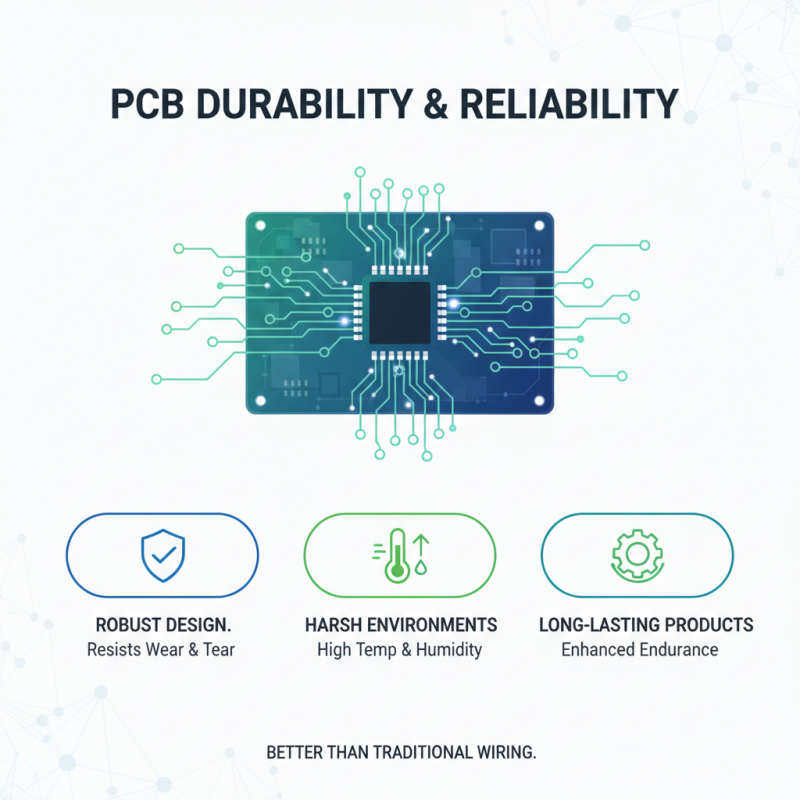
The benefits are undeniable. Printed PCBs enhance electronic device functionality and durability. Their versatility supports a broad range of applications, from consumer electronics to automotive systems. Yet, despite their advantages, organizations must navigate the complexities of manufacturing and quality control. This balance is essential for maximizing the potential of printed PCBs in the competitive electronics landscape.
Overview of Printed PCBs and Their Role in Electronics
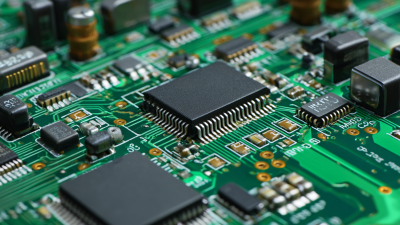
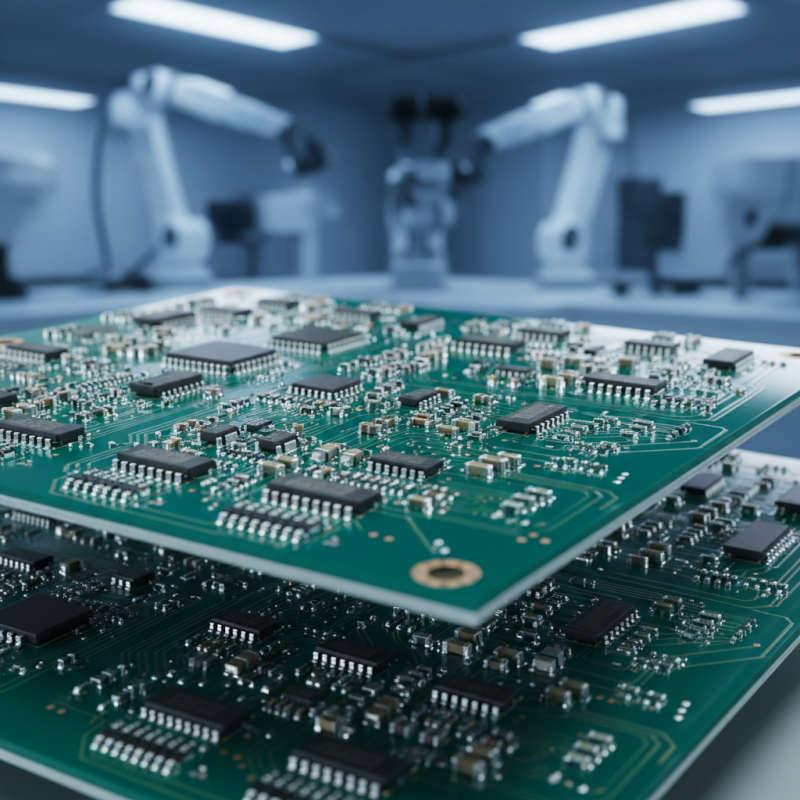
Printed circuit boards (PCBs) are critical components in modern electronics. They provide the backbone for electrical connections within devices. According to a recent industry report, the global PCB market is projected to reach $75.5 billion by 2025, emphasizing their growing significance in technology.
PCBs serve multiple roles, from signal distribution to mechanical support. Their design allows for compact and efficient layouts, which is essential as devices become smaller. A well-designed PCB can improve reliability and reduce production costs. However, not all designs are perfect. Common issues include signal integrity problems and thermal management challenges that can arise during manufacturing.
The manufacturing process of printed PCBs can be complex and prone to error. There are instances where misalignments occur, leading to faulty circuits. In addition, the materials used affect performance. For example, high-frequency applications require specific substrates that can handle increased signals. Each choice impacts efficiency and quality. Thus, careful planning is crucial to avoid potential failures in device performance.
Cost-Effectiveness and Efficiency of Printed PCB Manufacturing
Printed circuit boards (PCBs) offer notable cost-effectiveness in manufacturing. According to a report by IPC, the PCB industry is projected to grow at a CAGR of 4.7% from 2021 to 2026. This growth mainly stems from the increasing demand for miniaturized electronics and efficient manufacturing methods. Companies can save on assembly and material costs. PCBs allow for multi-layer designs, minimizing the space and materials required for complex circuits.
Efficiency in PCB production comes from automation and streamlined processes. Manual assembly can be tedious and prone to errors. However, using advanced technologies, manufacturers can produce PCBs faster and with fewer defects. A study indicated that automated assembly lines can reduce production times by 20-30%. Yet, issues remain, such as supply chain challenges and price fluctuations in raw materials. These factors can impact overall costs and efficiency, making management in this sector critical.
Moreover, PCBs support quicker prototyping. This allows companies to test designs more rapidly. Faster iterations are essential in today's fast-paced technology market. However, not every design fits perfectly into the rapid production model. Some complex designs may still require careful, manual adjustments. Balancing quality with speed is vital for success in PCB manufacturing.
Design Flexibility and Customization Options in Printed PCBs
Printed circuit boards (PCBs) offer remarkable design flexibility and customization options. In the electronics industry, nearly 73% of manufacturers believe that customized PCBs enhance product performance. This adaptability allows designers to create unique layouts that perfectly fit their specific requirements.
With printed PCBs, designers can adjust parameters like size, shape, and layer count. This flexibility is vital, especially for compact devices. For example, a mobile phone might need a multi-layer PCB to save space while maintaining functionality.
However, designing these complex circuits often leads to challenges. Each adjustment can influence manufacturability and reliability. Not all designs come out flawless on the first try.
Prototyping can reveal unexpected issues. An industry report indicates that over 30% of prototypes require modifications before mass production. This reality check highlights the importance of iterative design processes. Balancing creativity with practicality is essential. Customization can lead to enhanced efficiency, yet it can also result in increased production costs.
Environmental Impact and Sustainability of Printed PCB Technology
Printed circuit boards (PCBs) are pivotal in today's electronics. Their environmental impact and sustainability have become crucial considerations. According to a report by IPC, the PCB industry generates millions of tons of waste annually. This waste includes materials that are often difficult to recycle and dispose of properly. The production process emits hazardous chemicals, which can harm ecosystems.
Yet, advancements in printed PCB technology hint at better sustainability practices. Many manufacturers are exploring green materials, such as biodegradable substrates. A recent study found that using eco-friendly materials can reduce the ecological footprint by approximately 30%. Additionally, recycling rates have improved, with over 20% of PCBs being recycled effectively. However, the challenge remains in the remaining 80%, often sent to landfills.
This shift toward sustainability raises questions. Are companies genuinely committed to eco-friendly practices, or is it just a trend? Feedback from environmental researchers emphasizes the need for transparent practices. The lack of comprehensive recycling programs still poses a significant barrier. As awareness grows, consumers demand more environmentally conscious products. The onus is on the industry to respond appropriately.
Benefits of Using Printed PCB in Electronics
| Benefit |
Description |
Environmental Impact |
Sustainability Aspect |
| Reduced Material Waste |
Printed PCBs use less material compared to traditional circuit boards. |
Lower waste contributes to decreased landfill use. |
Promotes resource efficiency in manufacturing. |
| Higher Integration |
Allows for dense circuit configurations leading to smaller product size. |
Reduces the overall footprint of electronic devices. |
Encourages the design of compact and energy-efficient devices. |
| Improved Performance |
Enhanced electrical performance due to advanced materials and design. |
Less energy loss contributes to reduced emissions during operation. |
Supports long-lasting and efficient electronics. |
| Easier Recycling |
Design allows for simpler disassembly and material recovery. |
Facilitates recycling processes for metal and non-metal components. |
Contributes to the circular economy of electronics. |