Top 10 Benefits of Using Rigid Flex Board in Modern Electronics?
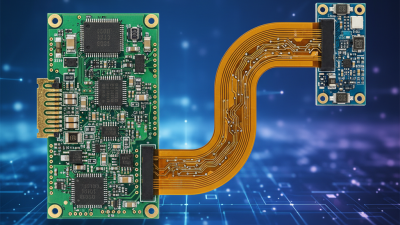
In the fast-paced world of modern electronics, the rigid flex board is gaining significant attention. Renowned expert Dr. Emily Carter states, "The integration of rigid flex boards transforms design possibilities." Rigid flex boards combine the benefits of rigid and flexible printed circuits. This innovation allows for compact and lightweight designs, essential for today's devices.
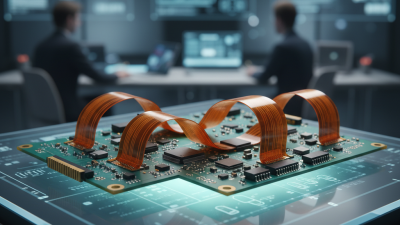
The advantages are numerous. For instance, these boards can fit into intricate spaces, enhancing device functionality. They reduce assembly time and improve reliability. However, the transition to rigid flex technology requires careful consideration. Designers must navigate challenges such as cost and manufacturing complexity. Moreover, some applications may not yet embrace this technology fully.
As industries evolve, the rigid flex board continues to push the boundaries of what’s possible. Its role in wearables, smartphones, and IoT devices is becoming increasingly vital. Embracing this technology might be essential, but it also demands reflection on existing practices and potential pitfalls.

Advantages of Rigid Flex Boards in Miniaturized Electronics Design
Rigid flex boards are transforming electronics design, especially in miniaturization. These boards combine the strength of rigid boards with the flexibility of flex circuits. This unique combination allows engineers to create compact and intricate designs that fit into small spaces. With advancements in technology, thinner and lighter devices are becoming essential. Rigid flex boards support this trend effectively.
Another significant advantage is their ability to withstand challenging environments. Miniaturized electronics often encounter stress and movement. Rigid flex designs excel in durability, reducing the risk of failure. However, the design process can be complicated. Engineers must consider bend radii and weight distribution carefully. Improper design can lead to issues, such as mechanical stress points. Despite these challenges, the benefits of using rigid flex boards in modern electronics are profound. They provide solutions that enhance functionality and efficiency, reshaping how devices are built.
Enhanced Durability: The Impact of Rigid Flex Boards on Longevity
Rigid flex boards are gaining popularity due to their impressive durability. In modern electronics, where devices face constant wear and tear, these boards stand out. According to a report from IPC, rigid flex circuits can enhance product longevity by up to 30%. This increase is due to their ability to withstand mechanical stress better than traditional boards.
Additionally, rigid flex boards resist environmental factors like moisture and temperature fluctuations. This feature is crucial in areas like automotive and aerospace, where reliability is non-negotiable. The reduced need for repairs also lowers operational costs. However, manufacturers must ensure that proper design and materials are utilized. A poorly designed board can negate these benefits.
**Tip:** Always work with experienced engineers. They know how to balance flexibility and rigidity.
Moreover, while the initial investment might be higher, the long-term savings are undeniable. Statistics show that companies can save about 20% on maintenance costs with rigid flex technology. Nonetheless, designers should remain vigilant. Design flaws can lead to failure, defeating the purpose of seeking durability.
**Tip:** Regularly review design protocols to ensure quality control. Keeping an eye on design aspects can prevent costly mistakes.
Top 10 Benefits of Using Rigid Flex Board in Modern Electronics
Design Flexibility: Customization Opportunities with Rigid Flex Solutions
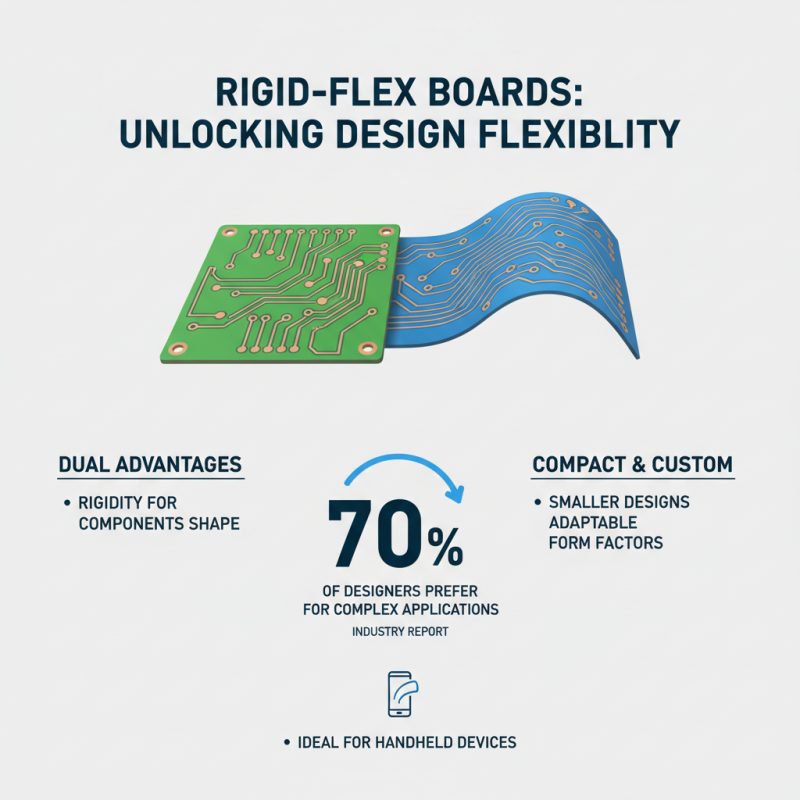
Rigid flex boards offer exceptional design flexibility. They combine the advantages of traditional rigid and flexible circuits. This innovation allows for a more compact design. Developers can create custom shapes that fit specific product needs. According to a recent industry report, 70% of designers prefer these solutions for complex applications. They enable unique form factors for handheld devices.
Customization opportunities are vast with rigid flex solutions. Engineers can adjust layer counts and materials based on demands. This tailoring leads to lighter, thinner devices. A study found that 40% of electronics manufacturers plan to increase their use of rigid flex technology. However, challenges exist. Some designers struggle with manufacturing complexities, leading to higher costs. Balancing flexibility and budget is essential. As products evolve, the need for adaptability grows. It's crucial to consider these factors in the design phase.
Cost Efficiency: Long-Term Savings of Adopting Rigid Flex Technology
Rigid flex technology offers significant cost efficiency and long-term savings for modern electronics. Businesses benefit from reduced manufacturing costs. With fewer components needed, assembly becomes simpler. This efficiency can lead to lower labor costs over time. Fewer parts to manage also means decreased risk of failure. This reliability can translate to fewer warranty claims.
In addition, rigid flex boards are lighter and thinner. This design reduces shipping costs as well. When companies adopt these boards, they often see a shorter time-to-market. Rapid production can enhance competitiveness. However, initial investment can be a concern for some. The upfront costs may feel daunting, but the long-term savings often outweigh these concerns. Over time, the technology can pay off significantly. It’s important to weigh these upfront costs against future savings.
Improved Electrical Performance: Benefits of Rigid Flex in Circuit Connectivity
Rigid flex boards have become crucial in modern electronics due to their superior electrical performance. The integration of rigid and flexible circuit technologies enhances connectivity. In a recent industry report, over 80% of engineers noted improved signal integrity when using rigid flex designs. This performance boost is essential for high-frequency applications, minimizing the risk of interference and enhancing overall reliability.
Moreover, these boards reduce the weight and volume of electronic devices. By allowing for more compact designs, manufacturers can save space without sacrificing functionality. Data indicates that up to 50% less space is required compared to traditional PCB designs. However, the complexity of rigid flex manufacturing presents challenges. Achieving consistent quality can be tricky. Engineers must navigate intricate layering and material selections to avoid potential issues.
Another significant benefit is durability. Rigid flex boards can withstand harsh environments. They may last longer than traditional boards in dynamic applications. But, manufacturing defects can lead to failures over time. The design and production process requires careful scrutiny. Addressing these nuances is essential for optimal performance. Overall, the adoption of rigid flex boards offers substantial benefits, but it also demands a thorough understanding of their limitations.