Why Choose the Best DC Charging Connector for Your Needs?
Selecting the right Dc Charging Connector is crucial for optimizing electric vehicle (EV) charging. With numerous types and specifications available, understanding your needs is paramount. An appropriate connector ensures efficient power transfer, safety, and compatibility with various charging stations.
Many users encounter difficulties when choosing a DC Charging Connector. Misalignment with charging infrastructure can cause frustrating delays. The wrong choice can lead to issues such as overheating or slower charging times. Each connector type has unique characteristics, making careful consideration vital.
Experience shows that a well-chosen DC Charging Connector enhances charging efficiency. Connectors vary significantly in capacity and design. Knowing these differences helps to avoid potential pitfalls. Engaging with experts can provide valuable insights, sparking reflection on your charging habits and equipment. As the EV market grows, the importance of selecting the best connector cannot be overstated.
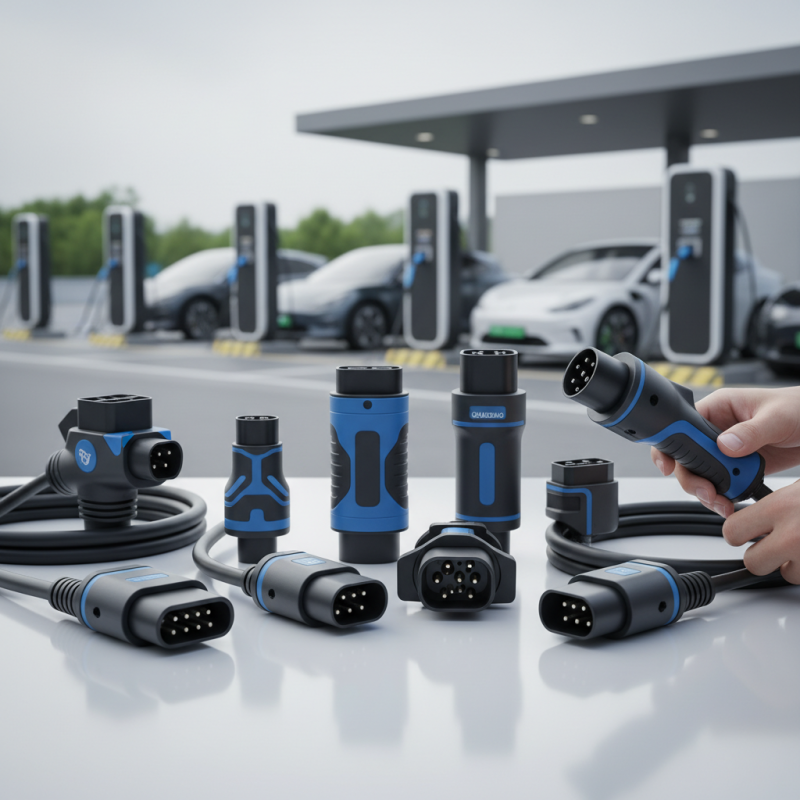
Understanding DC Charging Connectors: A Comprehensive Overview
DC charging connectors play a crucial role in electric vehicle (EV) charging. They ensure efficient energy transfer to the vehicle's battery. Understanding the various types of connectors available can be overwhelming. Each connector has unique specifications and compatibility considerations.
Choosing the right DC charging connector requires awareness of your specific needs. Some may focus on charging speed while others prioritize compatibility with different car models. It’s important to research the voltage and current ratings of connectors. Not all connectors fit every vehicle. This can lead to frustrating charging experiences.
While many people assume all connectors are the same, this isn’t true. Some connectors are better suited for fast charging than others. Consider the infrastructure in your area as well. In some regions, not all compatible connectors might be available. Reflecting on these aspects can help narrow down your options. Stay informed about developments in charging technology to make the best choice for your needs.
Key Factors to Consider When Choosing a DC Charging Connector
When selecting a DC charging connector, several key factors warrant consideration. The connector's compatibility with various electric vehicle (EV) models is crucial. According to a recent industry report by the International Energy Agency, the global electric vehicle market is expected to reach 145 million units by 2030. Therefore, choosing a connector that can accommodate multiple vehicle types ensures versatility and future-proofing of your investment.
Another vital aspect is the charging speed. Charging connectors come with different power delivery capacities. The maximum output varies from 50 kW to over 350 kW. Faster connectors can reduce downtime for fleet operators and individual users alike. However, higher speeds may require more robust infrastructure, which can be challenging to implement. Issues such as grid capacity and local regulations must be evaluated carefully to avoid grid overload and compliance issues.
Safety and durability also play significant roles in selecting a DC charging connector. Connectors must adhere to strict safety standards, as poor quality can lead to overheating or malfunctions. Evidence shows that connectors with higher IP ratings provide better protection against environmental factors. It’s essential to weigh material costs against long-term reliability, as cheaper options may not withstand demanding usage scenarios, leading to potential failures.
Why Choose the Best DC Charging Connector for Your Needs?
| Feature | Importance | Considerations |
| Compatibility | Crucial | Ensure connector matches vehicle charging standards |
| Charging Speed | High | Select connectors that support high wattage |
| Durability | Moderate | Look for weather-resistant materials |
| Ease of Use | Important | User-friendly design for quick connections |
| Safety Features | Essential | Select connectors with reliable safety mechanisms |
| Price | Variable | Balance cost with features & reliability |
Different Types of DC Charging Connectors and Their Applications
When choosing a DC charging connector, it's vital to understand the different types available and their specific applications. The most common types include CCS (Combined Charging System), CHAdeMO, and Tesla's proprietary connector. Each serves a unique purpose suited for various electric vehicle (EV) models.
CCS is widely adopted in Europe and North America, supporting high-power charging up to 350 kW. The International Energy Agency reported that CCS accounted for over 70% of DC fast charging in 2021, highlighting its dominance in the market. This connector is designed for mainstream EVs, making it essential for fleet operators and consumers alike.
On the other hand, CHAdeMO, often used by Japanese manufacturers, allows charging at up to 62.5 kW. Its slower capabilities reflect a niche position, yet it remains critical for certain models.
It's important to reflect on the accessibility of charging infrastructure. Research shows that about 30% of EV owners find DC fast chargers too limited in availability. This creates challenges for potential EV adopters.
Understanding the right connector can help streamline charging processes, but awareness is also needed. Choices depend not only on vehicle compatibility but also on the surrounding charging environment. Awareness of local networks and connector types is essential for optimizing charging experiences.
Benefits of Selecting the Right DC Charging Connector for Your Needs
Selecting the right DC charging connector is crucial for effective electric vehicle (EV) charging. The right choice can significantly enhance charging efficiency and user experience. A report from the International Energy Agency (IEA) states that the global number of public EV charging points surpassed 1.3 million in 2021. This growth emphasizes the importance of choosing high-quality connectors that can support various charging capacities.
When charging EVs, a reliable connector reduces downtime. Poor quality connectors might not handle higher voltages, leading to heat build-up and potential failures. A study found that over 30% of reported charging failures stemmed from connector issues. Additionally, connectors designed for specific EV models can optimize charging speeds, ensuring vehicles charge in the shortest time possible.
Moreover, investing in the right connector can lead to long-term cost savings. The European Union predicts that EV charging infrastructure will require substantial investment over the next decade. Ensuring compatibility and efficiency with connectors will maximize the return on this investment. However, many users still overlook these factors. Choosing the best connector may require thorough research and understanding of specific needs, which some might dismiss as unnecessary. Charging solutions that lack durability can lead to additional expenses down the line.
Benefits of Selecting the Right DC Charging Connector for Your Needs
Future Trends in DC Charging Connectors and Their Impact on Users
As the electric vehicle market expands, DC charging connectors are evolving rapidly. Consumers will see diverse options tailored to their needs. However, selecting the right connector isn't universal. Different vehicles may have distinct requirements for charging speeds and compatibility. This complexity can lead to confusion for users.
A trend gaining traction is the push for standardized connectors. Standardization promises easier access to charging stations and broader compatibility. Nevertheless, not all manufacturers are on board. Some may resist change to maintain proprietary systems. This inconsistency can frustrate users who wish for seamless experiences.
Moreover, advancements in technology will enhance charging efficiency and safety. Future connectors may integrate intelligent features, allowing real-time monitoring. Users could receive notifications about their vehicle's charging status. Yet, these innovations raise questions about connectivity and reliability. Is technological dependence wise? Balancing convenience and security will be crucial as we move forward in this evolving landscape.