Best Electric Water Heater for Efficient Home Heating?
In today’s modern homes, the efficiency of heating water is essential. Choosing the right Electric Water Heater can greatly impact comfort and energy bills. Renowned industry expert, Mark Thompson, once stated, "The efficiency of your water heating system can make or break your home's energy consumption." This insight emphasizes the importance of selecting the best Electric Water Heater for your needs.
With various options available, finding an efficient solution can seem daunting. Electric Water Heaters come in various sizes and technologies, each boasting unique features. Research suggests that tankless models can offer significant energy savings but may not fit every household's hot water needs. Homeowners often overlook maintenance, which is vital for longevity and efficiency.
Selecting an Electric Water Heater involves reflections on personal usage patterns and future needs. Understanding the detail behind energy ratings is essential. Misunderstanding or neglecting these specifications can lead to costly mistakes. Ultimately, the goal is to balance efficiency with practical needs for hot water, ensuring both comfort and cost-effectiveness in the long run.
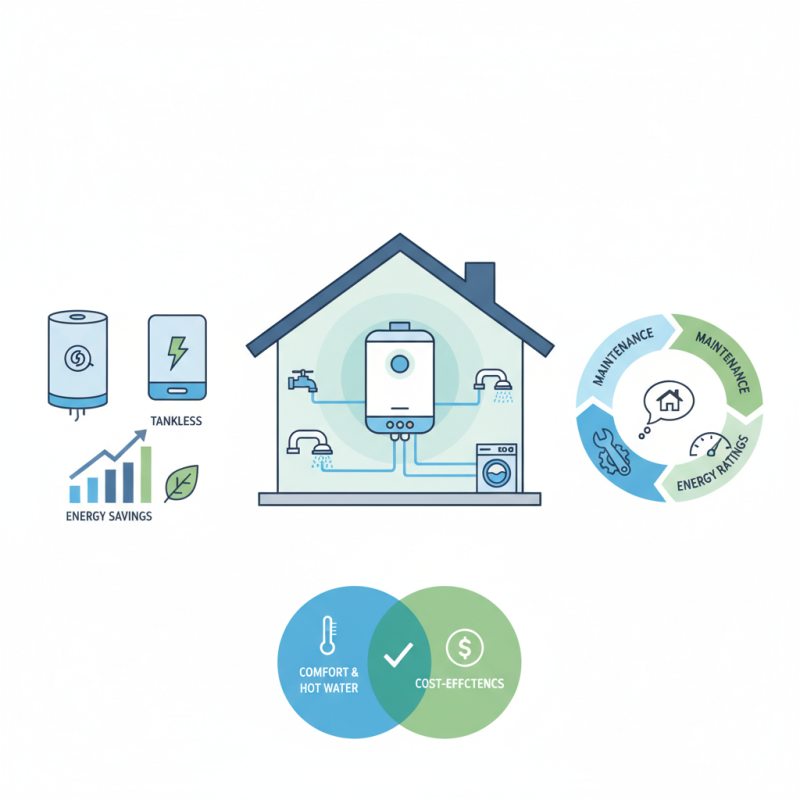
Types of Electric Water Heaters Available for Home Use
When choosing an electric water heater, understanding the types available is essential for efficient home heating. There are primarily two main types: tank and tankless heaters. Tank heaters store a specific amount of water. They maintain a set temperature, ensuring you have hot water on demand. However, they consume energy continuously, which can be a drawback.
In contrast, tankless models heat water on the spot. This means no storage is needed. They offer hot water only as required. This can be more energy-efficient, especially for smaller households. Yet, you may find limitations during peak usage times. Thus, careful planning is vital.
Another option is heat pump water heaters, which use electricity to move heat from one place to another. They work efficiently in moderate climates but may struggle in colder areas. Each type has its pros and cons, and you should consider your home's specific needs. Heating capacity, energy efficiency, and installation costs are all factors worth exploring. Balancing these elements can lead to a satisfactory choice.
Best Electric Water Heater for Efficient Home Heating
Factors to Consider When Choosing an Electric Water Heater
When selecting an electric water heater, consider the size of your household. Larger families need more capacity. However, bulky units can waste energy. A model that matches your needs strikes a balance between efficiency and cost. Don't overlook the recovery rate; this indicates how quickly the heater can supply hot water.
Energy efficiency is another crucial factor. Look for models with high energy ratings. They will save you money on utility bills. Moreover, consider the heating method. Tankless heaters provide hot water on demand. They take up less space, yet their initial cost can be high. Think about your long-term usage and whether that investment pays off.
Lastly, installation and maintenance are key to the heater's longevity. A poorly installed unit may lead to leaks or inefficiency. Regular maintenance helps avoid problems. However, not everyone has the skills or resources for upkeep. Finding a reliable professional can be challenging. Reflect on these factors to make the best choice for your home.
Energy Efficiency Ratings and Their Importance in Water Heaters
When selecting an electric water heater, energy efficiency ratings are crucial. These ratings indicate how well a heater converts energy into hot water. A higher rating means lower energy costs and reduced environmental impact. Understanding these ratings can save you money over time and contribute to sustainability.
Not all heaters are created equal. The Energy Factor (EF) is a key measure. It reflects how effectively the heater operates. A unit with a higher EF will heat more water per energy unit consumed. However, these numbers can sometimes be misleading. Different testing conditions may yield different results. Therefore, consider installation location and household needs as well.
Consumers should also think about long-term energy savings versus initial costs. While a high-efficiency model might cost more upfront, it often pays off with lower bills. Yet, not every home requires the most expensive model. An overly powerful unit can lead to wasted energy. It's essential to evaluate your specific situation before making a decision.
Installation and Maintenance Tips for Electric Water Heaters
When it comes to electric water heaters, proper installation and maintenance can make all the difference. A well-installed water heater ensures optimal performance and energy efficiency. Assess your space before installation. Make sure there’s enough room for the unit and easy access for future maintenance. It’s also vital to follow local codes and guidelines to ensure safety.
Regular maintenance is essential for longevity. Flushing your water heater once a year removes sediment buildup. This can improve efficiency and extend the unit’s life. Another important tip is to check the anode rod every few years. A corroded anode rod can lead to premature tank failure. If you notice rust or corrosion, replace it promptly.
Don’t ignore issues like strange noises or fluctuating temperatures. These could be signs that something is wrong. Addressing small concerns quickly can prevent more significant problems later. Keeping an eye on your electric water heater will help maintain its function and efficiency over time. Energy efficiency isn’t just about the unit; it’s also about how well you maintain it.
Top Recommended Electric Water Heaters in the Market Today
When considering electric water heaters, efficiency is key. A reliable system warms water quickly while using minimal energy. Modern models incorporate advanced insulation and heating elements, ensuring your home remains comfortable. Many systems now feature smart technology for monitoring energy consumption. This not only aids efficiency but also provides insights into usage patterns.
Choosing the right electric water heater involves understanding your specific needs. Assess factors like the size of your household and daily hot water demand. Some heaters are compact, perfect for small spaces, while others have larger capacities. Additionally, look for units with high energy ratings. These often reduce energy bills over time.
While efficiency is vital, it's essential to consider installation and maintenance. Complex units may require professional installation, increasing initial costs. Regular maintenance will ensure longevity, but it can be overlooked. Consumers sometimes underestimate how vital this is. Understanding these nuances helps in making an informed choice that matches your home and lifestyle.