2026 Best Flex PCBs for Innovative Electronics Applications?
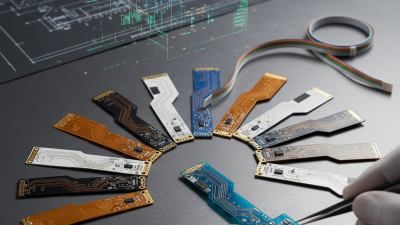
As the world of innovative electronics advances, the demand for flex PCBs continues to grow. Industry expert Dr. Jane Smith once stated, “Flex PCBs are transforming how we design modern electronics.” This transformation is essential in fields such as wearable devices, IoT applications, and medical technology.
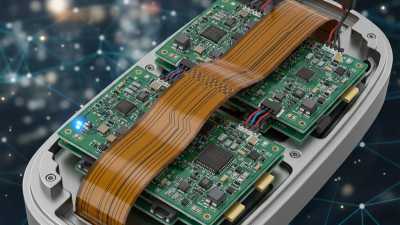
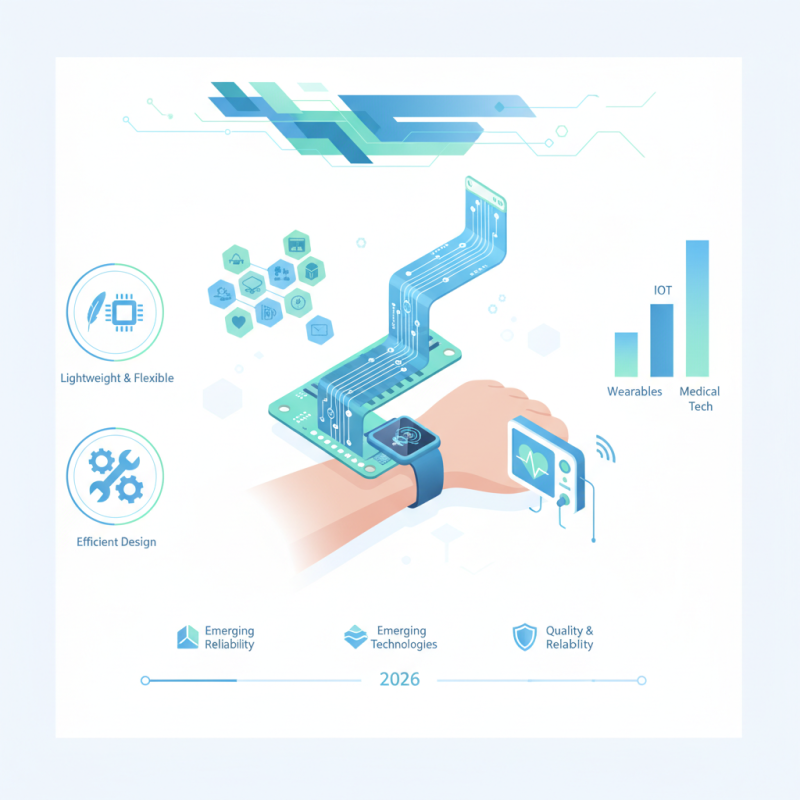
Flex PCBs offer unique advantages. Their lightweight and flexible nature allows them to fit into compact spaces. This versatility leads to more efficient designs and enhanced performance. For instance, smartwatches utilize flex PCBs to maximize functionality while maintaining a sleek profile. However, not all flex PCBs are created equal. Choosing the right materials and designs requires careful consideration and expertise.
As we approach 2026, the landscape for flex PCBs is changing. Emerging technologies will introduce new possibilities and challenges. Manufacturers must adapt to stay ahead. There are risks in this innovation journey; quality control and reliability remain critical. Flex PCBs represent both the potential for greater innovation and the need for ongoing assessment in design and production processes.
Definition and Overview of Flex PCBs in Electronics
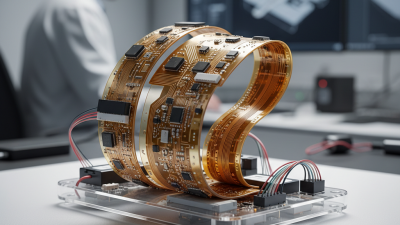
Flex PCBs, or flexible printed circuit boards, are revolutionizing the electronics industry. These boards are made from flexible materials, allowing them to bend and twist while maintaining functionality. Their lightweight nature makes them ideal for portable devices. Since they can fit into tight spaces, designers can create more compact innovations. However, the manufacturing process is complex. Ensuring reliability in such delicate circuits can be a challenge.
Incorporating flex PCBs into new products can lead to higher design creativity. Designers can achieve intricate patterns that were once unattainable. Still, the challenges remain. Issues like mechanical stress and thermal expansion affect performance. Products using flex circuits require careful testing to ensure durability. Proper alignment during assembly is crucial, as misalignment can lead to failure.
As technology evolves, the demand for these flexible circuits will grow. Their role in wearables, smartphones, and medical devices is expanding rapidly. Yet, as innovation progresses, manufacturers must adapt. Balancing performance and cost is always a topic for discussion. The future of flex PCBs holds immense potential, but it also invites scrutiny.
Key Characteristics of High-Performance Flex PCBs
Flexible printed circuit boards (PCBs) are essential in modern electronics. They enable innovative designs in compact spaces. High-performance flex PCBs possess key characteristics that differentiate them from traditional boards.
Durability is crucial. High-quality flex PCBs can withstand bending and twisting. Reports suggest that up to 30% of electronic failures stem from mechanical stresses. A thinner copper layer can enhance flexibility. This means they remain functional even under extreme conditions. The materials used also impact performance. Polyimide, for instance, is common due to its thermal stability.
Tips: Always assess the environmental conditions during PCB operation. This helps choose the correct material. Another consideration is the manufacturing method. Overlay technology can improve signal reliability.
Moreover, the cost remains a concern. Some manufacturers offer lower prices but compromise on quality. This can lead to increased failure rates. Ultimately, investing in high-performance flex PCBs may reduce long-term costs. Proper evaluation of potential options is necessary, as the industry's landscape shifts rapidly.
Top Applications for Flex PCBs in Innovative Electronics
Flexible printed circuits (Flex PCBs) are transforming innovative electronics. Their ability to bend and fit into tight spaces makes them ideal for wearables. In healthcare, these circuits power sensors in smart clothing, enabling real-time monitoring. Additionally, they are crucial in consumer electronics, like smartphones and tablets, where space is limited.
Automotive applications are also on the rise. Flex PCBs support lightweight designs for electric vehicles. They assist in sensor integration for enhanced safety features. These circuits often struggle with heat dissipation, leading to potential reliability issues. Engineers must carefully consider material selection for optimal performance. Innovations in flexible electronics also present challenges, like ensuring durability in harsh environments.
The aerospace industry showcases another exciting application. Here, flexible circuits cater to weight constraints while maintaining reliability under extreme conditions. However, production costs can be higher than traditional rigid circuits. Designers must balance price and performance to meet project needs. As technology evolves, the demand for Flex PCBs will likely grow, driving creativity in their application.
2026 Best Flex PCBs for Innovative Electronics Applications
| Application Area |
Key Features |
Material Type |
Temperature Tolerance (°C) |
Market Trends |
| Wearable Technology |
Lightweight, Flexible, and Durable |
Polyimide |
-40 to 125 |
Growing demand for health monitoring devices |
| Aerospace |
High reliability, Light weight, Radiation resistance |
LCP (Liquid Crystal Polymer) |
-55 to 200 |
Increased focus on safety and performance |
| Consumer Electronics |
Compact, High-density interconnections |
FR-4 with Flexible Layer |
-20 to 85 |
Trend towards miniaturization of devices |
| Medical Devices |
Biocompatibility, Small form factor |
Polyester |
0 to 60 |
Rise in home healthcare and monitoring solutions |
| Automotive |
High durability, Temperature resistance |
Polyimide |
-40 to 150 |
Shift towards electric and autonomous vehicles |
Evaluation Criteria for Selecting the Best Flex PCBs
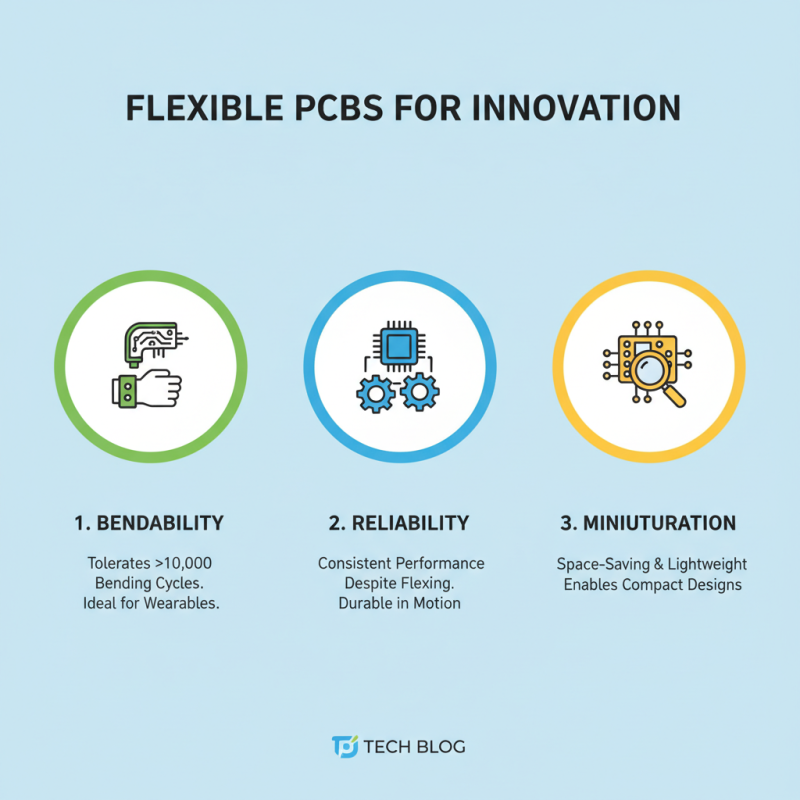
When evaluating the best flexible PCBs (flex PCBs) for innovative electronics applications, several criteria come to the forefront. One key factor is bendability. A flex PCB must tolerate repeated bending without performance degradation. Reports indicate that high-quality flex PCBs can withstand over 10,000 cycles of bending, making them suitable for wearable devices.
Another important aspect is thermal stability. Electronics can generate significant heat, and proper heat dissipation is crucial. The material used in flex PCBs should have a high thermal conductivity rating. Research shows that materials with thermal conductivity above 1 W/mK can enhance performance in high-temperature applications. Inadequate thermal management can lead to device failures, a risk manufacturers can't overlook.
Finally, the cost-effectiveness of flex PCBs is vital. As production volumes increase, prices can drop. However, achieving a balance between cost and quality remains challenging. The cost of materials can fluctuate, influencing overall production expenses. Some estimates suggest that high-quality flex PCBs can range from $5 to $50 each, impacting budget considerations for many projects. Careful assessment of these factors is essential for selecting the right flex PCB for any innovative application.
Future Trends in Flex PCB Technology and Innovations
Flexible printed circuit boards (PCBs) are rapidly evolving. They play a crucial role in modern electronics. Innovations in materials and design are driving this change. Manufacturers are exploring new substrates. These have unique properties that improve performance. For instance, the use of polymers can enhance flexibility while maintaining durability. Such advancements enable more compact designs.
In the future, we can expect more integration of sensors in flex PCBs. This integration allows for smarter devices. However, challenges remain. Achieving high performance in diverse environments is complex. Additionally, balancing flexibility with electrical reliability is often difficult. Innovations must address these issues. The ongoing development of manufacturing techniques is crucial for overcoming these hurdles. There’s potential for growth, yet the path is not always smooth.
Ultimately, flexibility in design opens doors for innovative applications. Wearable technology and medical devices can benefit significantly. As trends evolve, we must remain vigilant. The balance between versatility and reliability is vital. Continued reflection on these aspects will shape the future of flex PCB technology.