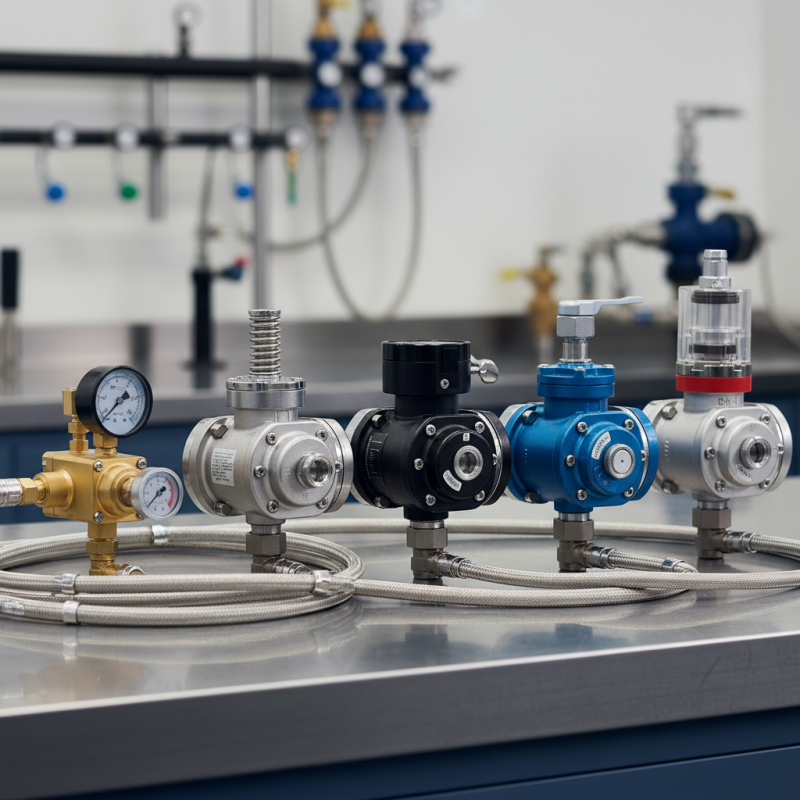
Top 5 Best Pressure Reducing Regulators for Your Needs?
When it comes to managing gas or liquid flow, Pressure Reducing Regulators play a crucial role. They help maintain consistent pressure in various systems. Selecting the right regulator can be complex due to numerous options available. Each option has distinct features and specifications.
Understanding your specific needs is essential. You may find yourself overwhelmed by the choices. Some regulators are designed for specific applications, while others are more versatile. It's vital to consider factors such as flow rate, pressure range, and medium type.
Reflecting on your requirements can lead to better decision-making. Ask yourself: Do you need high precision or greater adaptability? Evaluating these elements will ultimately guide you to the top contenders in the market. In this guide, we delve into the top five best Pressure Reducing Regulators tailored for various needs.
Understanding Pressure Reducing Regulators: A Comprehensive Overview
Pressure reducing regulators play a crucial role in various industries and residential applications. They maintain consistent output pressure from fluctuating supply pressure. This ensures that equipment operates efficiently and safely. Without these regulators, systems could face high pressure, leading to potential damage or failure. The complexity of different setups influences the choice of regulator. Each application has unique requirements that must be met for optimal performance.
Many users overlook the importance of selecting the right regulator. Not every regulator suits every application. For example, high-capacity systems need specific features to manage pressure effectively. Users often make decisions based solely on initial cost, which can lead to problems later. Oversights in flow rates or material compatibility can result in inefficiencies. It’s essential to evaluate the entire system before making a choice.
The installation of these regulators should not be taken lightly. Even a small error can lead to leaks or pressure inconsistencies. Regular maintenance is key but is frequently neglected. Users might overlook signs of wear or degradation. This can lead to failure when it’s most critical. Reflecting on these aspects can guide users towards better choices in selecting and maintaining pressure reducing regulators.
Key Features to Consider in Selecting Pressure Reducing Regulators
When selecting a pressure reducing regulator, key features should guide your choice. One significant aspect is the pressure range. Every application has different needs. Ensure the regulator handles your specific pressure levels smoothly. A mismatch can lead to inefficiency or even equipment damage.
Another important factor is the material. Regulators come in various materials, each with different strengths. Stainless steel is durable and resistant to corrosion, while plastic may be lighter but prone to wear. The environment matters. In harsh settings, choose a robust design. Consider also the flow rate. A regulator that can't handle the required flow may cause delays.
Lastly, take the adjustment mechanism into account. Some regulators offer simple manual adjustments, while others have precise digital controls. Think about your operating preferences. A more complex system may provide better performance but also require more maintenance. Reflect on what suits your operations best. Balancing these features will help you find the right pressure reducing regulator for your needs.
Top 5 Pressure Reducing Regulators: Performance Metrics and Reliability
When selecting a pressure reducing regulator, performance metrics are crucial. Pressure drop, flow rate, and temperature resistance play essential roles. A regulator should maintain stable output pressure under varying conditions. Look for models with high accuracy. They must also handle different gas types like CO2 or nitrogen effectively.
Tips for choosing the right regulator: Check the compatibility with your system. Different applications require different specifications. Always consider environment factors, such as temperature and humidity, which affect performance. Regular maintenance and checks help ensure reliability. Clean the regulator regularly to prevent blockages.
Reliability is a key factor. Some models may falter under high demand. You might notice fluctuations in pressure. It’s important to test your selected model in real conditions. Some narrower options do not perform well at high flow rates. Always factor in your specific use case and test under real conditions before making a final decision. A mindful approach here can prevent future problems.
Top 5 Pressure Reducing Regulators: Performance Metrics and Reliability
| Model | Pressure Range (psi) | Flow Rate (CFH) | Material | Reliability Score (out of 10) |
| Model A | 5-30 | 50 | Brass | 9 |
| Model B | 10-40 | 70 | Aluminum | 8.5 |
| Model C | 15-50 | 100 | Steel | 9.5 |
| Model D | 20-60 | 80 | Brass | 8 |
| Model E | 5-25 | 60 | Aluminum | 9 |
Applications of Pressure Reducing Regulators Across Different Industries
Pressure reducing regulators play a vital role across various industries. Their primary function is to maintain consistent pressure, ensuring safety and efficiency. In the gas and oil sector, these regulators manage high pressure from storage tanks. They prevent blowouts and leaks, which can lead to hazardous situations. Maintaining optimal pressure is critical here.
In the food and beverage industry, precision is key. Regulators ensure that carbon dioxide and nitrogen are supplied at the right pressure for carbonation processes. This maintains product quality and taste. A slight miscalculation can ruin an entire batch.
Tips: Regular maintenance of your pressure reducing regulator is essential. Check for wear and tear often. Understanding your system's specific pressure needs can prevent issues. Overlooking small details may lead to costly errors. Always choose a regulator suitable for your application. It's worth investing time in research.
Comparative Analysis: Cost-Effectiveness of Leading Pressure Reducing Regulators
When selecting pressure reducing regulators, cost-effectiveness is crucial. Most are designed to provide consistent pressure at varying flows. However, not all regulators are equal. Some may work well initially but require frequent maintenance or replacement. This makes their overall cost higher than expected.
Durability is another key factor. A low upfront cost might imply poor materials. Some regulators can break down prematurely, leading to higher long-term expenses. Comparing materials and construction can reveal important information. Balancing quality and price is essential.
Installation and ease of use also play roles in cost-effectiveness. Complicated setups can incur additional labor expenses. Users often overlook these hidden costs. Low-quality regulators may require constant adjustment, adding further stress. Ideally, choose regulators that balance affordability with reliability. The right choice should enhance performance while minimizing unforeseen costs.