Best Rechargeable Lithium Batteries for Global Buyers?
In an era where sustainability is paramount, Rechargeable Lithium Batteries have become crucial for both consumers and industries. Renowned battery expert Dr. Emily Chen recently highlighted the importance of these batteries, stating, "Rechargeable Lithium Batteries are not just energy sources; they are key to a sustainable future." This reflects a growing awareness of the role battery technology plays in our daily lives.
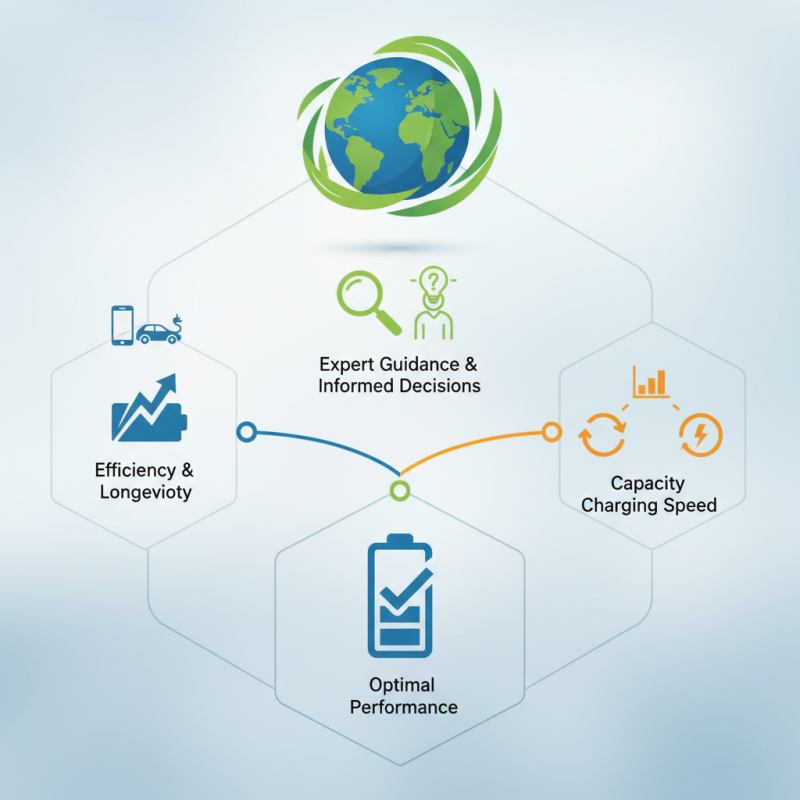
Rechargeable lithium batteries are powering everything from smartphones to electric vehicles. Their efficiency and longevity make them a preferred choice among global buyers. However, not all lithium batteries are created equal. As the market grows, consumers often struggle to identify the best options. This highlights the need for expert guidance in making informed decisions.
Choosing the right rechargeable lithium batteries requires understanding their specifications and applications. Factors such as capacity, cycle life, and charging speed are essential. These can significantly affect performance and user experience. While many brands tout premium qualities, discerning buyers must research thoroughly. This journey involves navigating a complex landscape, making it clear that expertise is invaluable in selecting the right products.
Overview of Rechargeable Lithium Battery Technology
Rechargeable lithium batteries are vital for modern technology. They power everything from smartphones to electric cars. Their ability to be recharged multiple times offers significant advantages over disposable batteries.
The technology behind lithium batteries involves using lithium ions. During discharge, these ions flow from the anode to the cathode through the electrolyte. This process generates electricity. When recharging, the ions move back to the anode, making it ready for another cycle. Despite their advantages, not all lithium batteries are created equal. Some may not hold a charge effectively over time.
Users often face challenges choosing the best products. It can be confusing to navigate various options. Understanding capacity, voltage, and cycle life is crucial. Reliability is key when selecting batteries for different applications. Inconsistent performance can lead to frustration. Balancing performance and price is often a dilemma. This is an area where many buyers need careful consideration.
Best Rechargeable Lithium Batteries - Capacity Comparison
Key Features to Consider When Choosing Lithium Batteries
When selecting rechargeable lithium batteries, several key features warrant careful consideration. Capacity is one crucial factor. Typically measured in milliampere-hours (mAh), higher capacity batteries can provide longer usage times. For instance, batteries with a capacity of 3000 mAh can power devices for extended periods, making them ideal for high-demand electronics.
Another important aspect is the discharge rate. This indicates how quickly a battery can deliver energy. A high discharge rate is vital for power tools and gaming devices. Reports suggest that lithium batteries with a discharge rating above 20C are well-suited for applications requiring rapid bursts of energy. Performance can vary significantly based on the application.
Safety features cannot be overlooked. Lithium batteries should include mechanisms like over-discharge and thermal protection to prevent hazards. Extensive research shows that batteries equipped with these features significantly reduce the risk of overheating and failure. Reliability is paramount. Not all lithium batteries undergo the same level of testing or quality assurance. Choosing batteries that meet industry standards can mitigate potential issues over time.
Top Brands of Rechargeable Lithium Batteries for Global Users
Rechargeable lithium batteries have become a go-to choice for global users seeking reliable power solutions. These batteries meet diverse needs, from powering household gadgets to high-performance devices. Top brands are known for creating durable, high-capacity cells. Users often choose products based on longevity and sustainability.
When selecting a rechargeable lithium battery, consider compatibility. Not all batteries fit every device. Check specifications before purchasing. Some batteries may not deliver the advertised performance. Users might experience shorter cycles if the battery is mismatched.
Tips: Always research the battery life. A battery with a longer lifespan may save money over time. Look for brands with robust warranties and return policies. This can ensure product reliability and satisfaction. Users should also read customer reviews to gain insights about real-world performance. Balancing capacity and price is essential for smart buying.
Guide to Proper Storage and Maintenance of Lithium Batteries
Lithium batteries are essential for many devices. Proper storage and maintenance ensure their longevity and performance. Start by keeping batteries in a cool, dry place. Extreme temperatures can damage them. Ideal storage conditions range from 10°C to 25°C. Avoid direct sunlight and moisture, as these can affect battery health.
Regular inspection is key. Check for corrosion or damage. If you notice any issues, replace the battery immediately. Store the batteries in their original packaging to prevent short circuits. Additionally, avoid mixing old and new batteries, as this can lead to unpredictable performance. Using a battery management system can help monitor their health over time.
Usage affects battery life too. Recharge them when they are about 20% depleted. Over-discharging can lead to decreased capacity. When not in use, charge them occasionally. This practice keeps the cells active. Remember, a little effort in maintenance goes a long way. Attention to detail can extend battery life significantly.
Environmental Impact and Recycling of Lithium Batteries
The environmental impact of lithium batteries is significant. As demand grows, effective recycling methods become crucial. According to a report by the International Energy Agency, only about 5% of lithium batteries are recycled globally. This leads to a substantial waste management challenge.
Improper disposal contributes to soil and water pollution. Toxic materials can leach into the environment, posing health risks. Research highlights that lithium mining also consumes vast water resources. In arid regions, this exacerbates water scarcity. Such factors necessitate better regulations and practices for battery recycling.
Innovative recycling technologies are emerging. For instance, hydrometallurgical processes can recover over 90% of lithium. Yet, many facilities still lack the necessary infrastructure. Increased investment in recycling initiatives is essential. Educational programs can raise awareness, encouraging responsible disposal among consumers. Transitioning to a circular economy for lithium batteries is vital for sustainability.
Best Rechargeable Lithium Batteries for Global Buyers? - Environmental Impact and Recycling of Lithium Batteries
| Battery Type | Capacity (mAh) | Voltage (V) | Cycle Life | Environmental Impact | Recycling Availability |
| 18650 Lithium-Ion | 2500 | 3.7 | 500 | Medium | Yes |
| LiFePO4 | 2000 | 3.2 | 2000 | Low | Yes |
| Lithium Polymer | 3000 | 3.7 | 300 | Medium | Limited |
| 21700 Lithium-Ion | 5000 | 3.7 | 800 | Medium | Yes |
| Lithium Iron Phosphate (LFP) | 4000 | 3.2 | 2500 | Very Low | Yes |