Discover the Best Rigid Flex Board Options for Global Buyers?
In today's dynamic electronics market, the demand for rigid flex boards continues to grow. Industry expert Dr. Emily Zhang emphasizes their significance by stating, “Rigid flex boards are vital for compact designs in modern devices.” These innovative circuit boards combine the benefits of both rigid and flexible technology. As a result, they enable new possibilities in product design.
Global buyers are often challenged to find the best rigid flex board options. Factors like durability, flexibility, and performance come into play. Each project may require different specifications, reflecting a diverse range of applications. The intricate balance between rigidity and flexibility can be hard to achieve.
However, not all rigid flex boards are created equal. Buyers may find inconsistencies in quality and performance across suppliers. It’s crucial to evaluate reliability and expertise when sourcing these boards. In this evolving market, making informed decisions can lead to smoother product development and better end-user experiences.
Understanding Rigid Flex Boards: Definition and Applications
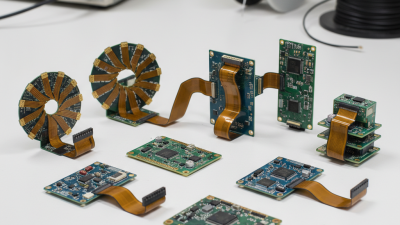
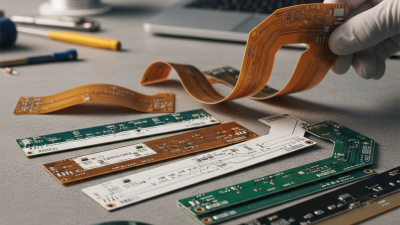
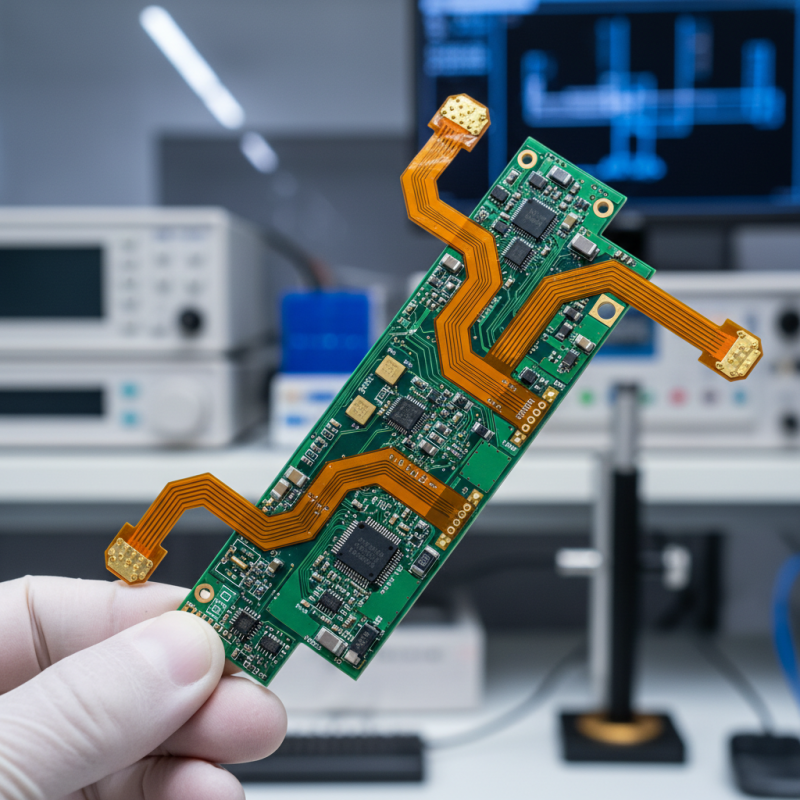
Rigid flex boards offer a unique blend of rigidity and flexibility. These boards combine traditional rigid circuit boards with flexible substrates. This allows them to be bent or folded in various applications. Rigid flex technology is valuable in industries like aerospace, automotive, and consumer electronics. The design can save space, which is critical in compact devices.
When considering rigid flex boards, remember their construction involves multiple layers. Each layer can serve different functions, such as signal routing or power distribution. This complexity can increase manufacturing challenges. Therefore, choosing a reliable manufacturer is crucial. High-quality materials should be used to ensure durability and performance.
Tips for selecting the right board include evaluating the specific requirements of your application. Understand the thermal and electrical needs of your project. Don’t overlook the importance of testing prototypes before full-scale production. This can help identify any unforeseen issues that may arise during operation. Depending on your project, it might be beneficial to collaborate closely with engineers during the design process. A reflective approach can lead to better decision-making and a more successful outcome.
Discover the Best Rigid Flex Board Options for Global Buyers
| Board Type |
Layer Count |
Material |
Typical Applications |
Thickness Range (mm) |
Lead Time (Weeks) |
| Standard Rigid Flex |
4-8 |
FR-4, Polyimide |
Consumer Electronics, Wearables |
0.3 - 1.0 |
2-4 |
| High-Frequency Rigid Flex |
6-10 |
PTFE, FR-4 |
Telecommunications, Aerospace |
0.5 - 1.5 |
3-6 |
| Multi-layer Rigid Flex |
8-12 |
Polyimide, Copper |
Medical Devices, Military |
0.4 - 1.2 |
4-8 |
| Flex-to-Rigid Rigid Flex |
5-9 |
FR-4, Polyimide |
Aviation, Automotive |
0.2 - 0.8 |
3-5 |
Key Factors in Selecting Rigid Flex Boards for Global Markets
When selecting rigid flex boards for global markets, several key factors come into play. Understanding material composition is crucial. Different materials offer varying levels of flexibility and durability. Buyers should evaluate how these properties align with their specific application needs. A thorough knowledge of substrate types, copper weights, and layer counts can significantly influence performance.
Manufacturing processes also hold great importance. Different techniques can affect board quality and functionality. It's essential to assess the manufacturer’s capability to meet global standards. Buyers must seek out manufacturers that can provide consistent quality and reliability. A well-structured quality control process is vital; it ensures that boards meet required specifications.
Cost considerations cannot be ignored. Balancing quality with budget constraints is often challenging. Global buyers should analyze total costs, including shipping and potential tariffs. Sometimes a cheaper initial investment leads to higher long-term costs due to failures or replacements. Navigating these decisions requires careful reflection on each factor's impact on overall project success.
Rigid Flex Board Selection Criteria
Top Manufacturers of Rigid Flex Boards: A Comparative Overview
The global rigid flex board market is on a growth trajectory, projected to reach $16 billion by 2025, according to industry analysts. This growth indicates rising demand across sectors like automotive, aerospace, and consumer electronics. Rigid flex boards combine the advantages of flexible circuits and rigid printed circuit boards, making them appealing for compact, high-performance applications.
Key manufacturers are diversifying their offerings. Some focus on enhancing thermal performance and miniaturization. Others concentrate on cost-effective solutions with moderate technology integration. For instance, reports show that the average manufacturing lead time for rigid flex boards ranges between four to six weeks. This variability can affect project timelines and budgeting.
Quality assurance remains paramount. Manufacturers use rigorous testing standards, impacting overall product reliability. However, not all firms maintain the same quality control levels. Reports indicate that around 15% of manufacturers fall short in compliance with international standards, which raises questions about their long-term viability. Buyers must closely evaluate each option to ensure they choose a partner that aligns with high-quality benchmarks.
Cost Analysis of Rigid Flex Board Options for Importers
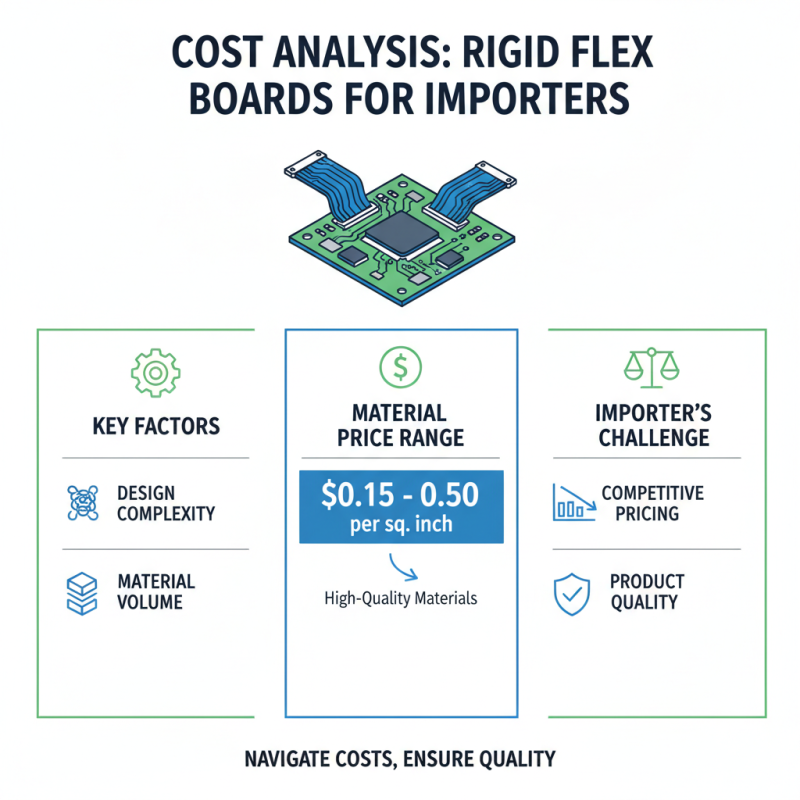
Cost consideration is crucial when selecting rigid flex boards for importers. Recent reports indicate a significant price variance in materials, often influenced by design complexity and volume. For instance, high-quality materials can range from $0.15 to $0.50 per square inch. Importers must navigate these costs to maintain competitive pricing while ensuring product quality.
Additionally, labor costs play a key role in overall expenses. Countries with lower wage rates can reduce production costs, yet this may impact quality and lead times. The average labor cost in Asia for rigid flex board production is around $15 to $25 per hour, a stark contrast to rates in North America and Europe that can exceed $50 per hour. Importing from lower-cost regions may yield short-term savings but can pose risks related to quality assurance.
Finally, freight costs cannot be overlooked. Shipping rigid flex boards internationally adds complexity to the overall pricing. Recent industry analyses show that shipping costs have risen by 10-15% year-over-year due to increased demand and global supply chain disruptions. These economic factors make choosing the right supplier and region of manufacturing a nuanced decision for importers, balancing cost efficiency and product reliability.
Future Trends in Rigid Flex Board Technology and Market Demand
The rigid flex board market is evolving rapidly. As technology advances, manufacturers are pushing the boundaries of design and functionality. These boards combine the best of both rigid and flexible circuits. Increased demand for compact electronic devices drives innovation in this sector. Every year, more applications emerge, highlighting the versatility of rigid flex boards.
New materials and processes are setting trends in the market. High-density interconnections are becoming standard. Furthermore, advancements in flex manufacturing techniques improve reliability. However, challenges exist. Cost management remains a significant concern for many manufacturers. Companies must balance quality with affordability to stay competitive. Flexibility in design must not compromise performance.
Sustainability is another critical factor. Many consumers now demand eco-friendly solutions. This trend is prompting manufacturers to explore greener materials and practices. Overall, the future of rigid flex board technology appears promising. However, industry players need to address these challenges to fully capitalize on the growing demand. Continuous innovation and strategic planning will be crucial for success in this dynamic market.