2026 Best Rigid Flex PCB Key Benefits for Global Buyers?
As the demand for compact and lightweight electronic designs increases, rigid flex PCBs are becoming increasingly attractive to global buyers. Emily Chen, a leading expert in flexible electronic designs, mentions, "The versatility of rigid flex PCBs allows for innovative solutions in diverse applications." This innovative technology combines the best of both rigid and flexible printed circuit boards, providing unique benefits.
Rigid flex PCBs offer multiple advantages, including reduced weight, space efficiency, and enhanced durability. These elements are crucial in industries such as aerospace, medical devices, and consumer electronics. Buyers must understand these key benefits to make informed decisions. With the right rigid flex PCB design, companies can improve product performance and reliability.
However, navigating the rigid flex PCB landscape can be challenging. Buyers need to consider factors like manufacturing techniques and cost implications. It is essential to choose suppliers with a proven track record in this field. Establishing and maintaining supplier relationships is critical for success in this evolving industry. Understanding these complexities can lead to better decision-making and, ultimately, successful projects.
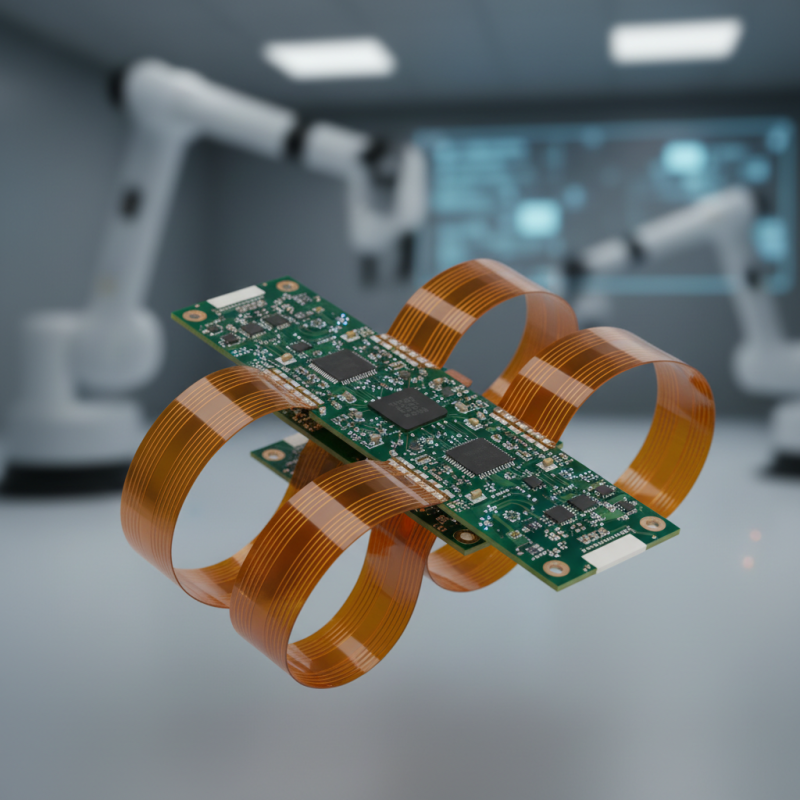
Key Characteristics of Rigid Flex PCBs in the Market
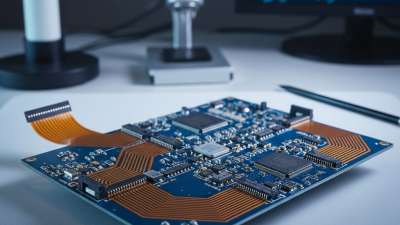
Rigid flex PCBs combine the flexibility of flexible circuits with the durability of rigid boards. This design allows for intricate layouts and reduced assembly costs. Global buyers are increasingly drawn to these boards for their versatility in various applications. From consumer electronics to medical devices, their usage spans multiple sectors.
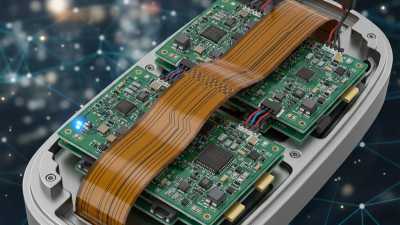
One notable characteristic is their ability to save space. Rigid flex PCBs eliminate the need for connectors and cables. This can enhance product reliability. Additionally, these boards are lightweight, making them ideal for portable electronics. The manufacturing process can be complex, requiring specialized knowledge. Flexibility in design is an advantage, but it also poses challenges in consistency and quality control.
Another key aspect is their resistance to environmental stress. Rigid flex PCBs withstand temperature variations and mechanical stress. However, this durability can come at a higher production cost. Buyers should weigh the benefits against these expenses. In a rapidly evolving market, understanding these characteristics is crucial for making informed decisions.
Advantages of Rigid Flex PCB Technology for Global Buyers
Rigid flex PCB technology presents distinct advantages for global buyers. This innovative solution combines the benefits of rigid and flexible circuits. According to industry reports, the rigid flex PCB market is expected to grow at a CAGR of 10.2% from 2021 to 2026. This growth highlights the increasing reliance on advanced electronic components.
One significant advantage of rigid flex PCBs is their space-saving capability. These PCBs can incorporate various components into a compact design, vital for modern electronics. Reducing space can also lead to lighter products, which is essential in aerospace and medical applications. Additionally, rigid flex designs increase durability, minimizing the risk of damage from bending or twisting.
The manufacturing process can be complex and costly. Buyers may face challenges in scaling production to meet demand. Rigid flex PCBs require precision in design and fabrication. Not every manufacturer can achieve the quality needed. Yet, the long-term benefits often outweigh these challenges. Industry professionals emphasize the importance of selecting experienced suppliers to ensure reliable production. This choice can significantly impact the project’s success.
Cost Considerations for Sourcing Rigid Flex PCBs
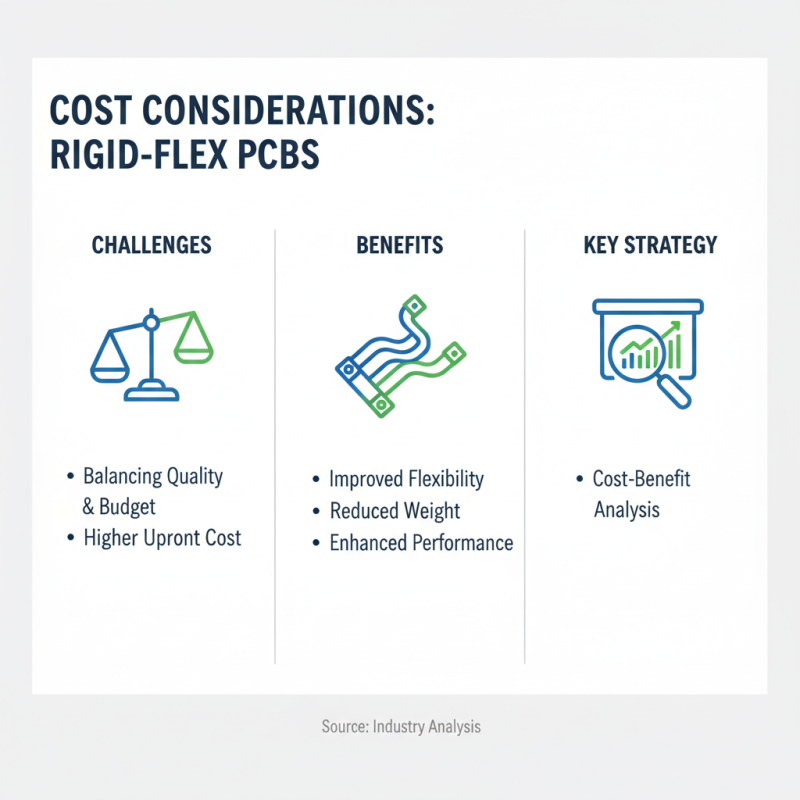
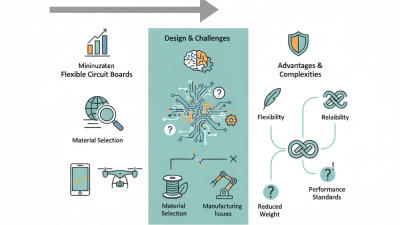
When sourcing rigid flex PCBs, cost considerations play a crucial role. Buyers often face challenges balancing quality with budget constraints. While rigid flex boards offer unique advantages, such as improved flexibility and reduced weight, the upfront costs can be higher than traditional options. This necessity to weigh cost against performance requires careful analysis.
Material choices significantly impact pricing. Different substrates can drive costs up or down. Buyers must understand the implications of these materials. Additionally, manufacturing processes are complex and can affect overall expenses. Revising design specifications can lead to unforeseen costs. Engaging with suppliers early can clarify potential price ranges.
Another factor is the location of manufacturing. Many companies opt for overseas production to save costs. However, this can introduce risks, such as longer lead times and communication barriers. Assessing local vs. overseas manufacturing is essential. Familiarity with the suppliers' processes can yield greater reliability, but may require a larger investment upfront. Exploring these nuanced cost factors ensures buyers make informed decisions in a competitive market.
Applications of Rigid Flex PCBs Across Various Industries
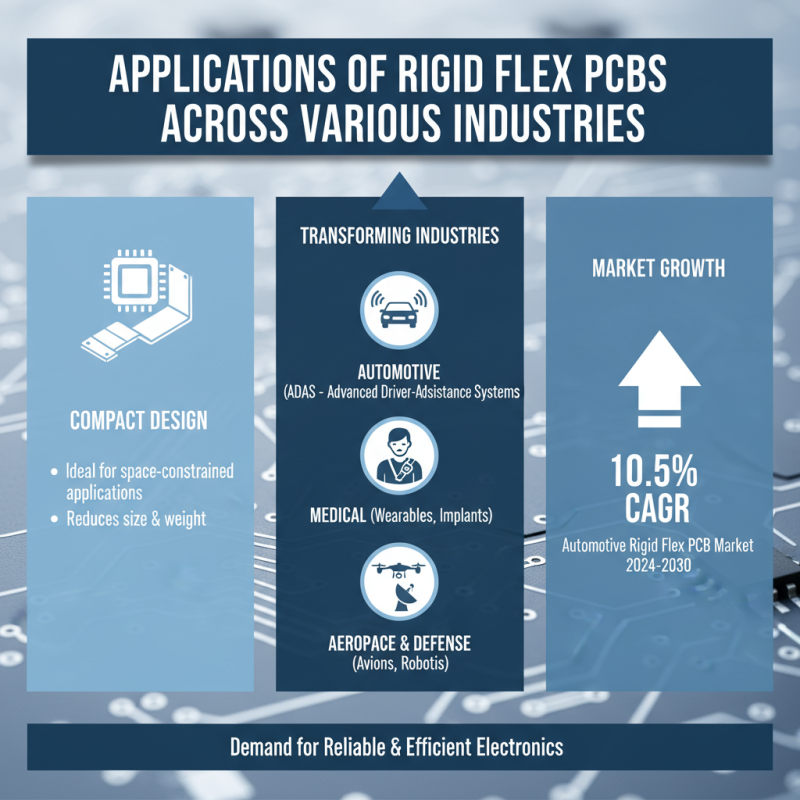
Rigid flex printed circuit boards (PCBs) are transforming various industries with their unique applications. In the automotive sector, for instance, these boards offer a compact design ideal for advanced driver-assistance systems (ADAS). According to a recent market report, the rigid flex PCB market in automotive applications is expected to grow at a compound annual growth rate (CAGR) of 10.5% from 2024 to 2030. This growth reveals the demand for reliable and efficient electronic solutions.
In the medical industry, rigid flex PCBs support sophisticated equipment. These boards enable miniaturization, essential for portable devices like heart monitors and insulin pumps. A study noted that medical technology spending is projected to reach $500 billion by 2024. Such demand emphasizes the importance of precise and space-efficient designs. However, the challenge remains in balancing production costs with the need for high-quality materials.
Consumer electronics also benefit from rigid flex PCBs. Devices ranging from smartphones to wearables utilize these boards for improved flexibility and performance. Data indicates that over 70% of manufacturers prefer these boards for new product designs. Despite these advantages, potential issues like thermal management and long-term reliability need careful consideration. The industry must continually innovate to address these challenges effectively.
Future Trends Influencing Rigid Flex PCB Manufacturing and Design
The future of rigid flex PCB manufacturing is shaped by emerging technologies and market demands. As industries move towards miniaturization, rigid flex PCBs provide an elegant solution. They combine the advantages of rigid and flexible circuits, enabling complex designs in compact spaces.
One significant trend is the increased adoption of automation in manufacturing processes. Automation improves efficiency but raises questions about quality control. The need for skilled technicians to oversee these processes has never been more critical. Moreover, the development of advanced materials enhances performance but may present compatibility issues during assembly. Finding the right balance is a challenge that requires attention.
Sustainability is another important factor influencing rigid flex PCB design. Manufacturers are pressured to adopt eco-friendly materials and reduce waste. However, the transition can be costly and complicated. Companies must weigh the benefits against the challenges. As the industry evolves, addressing these complexities will be vital for long-term success.
2026 Best Rigid Flex PCB Key Benefits for Global Buyers
| Key Benefit |
Description |
Impact on Design |
Future Trend |
| Space Savings |
Allows for more compact designs which is essential in modern electronics. |
Encourages miniaturization and integration of components. |
Increase in demand for portable devices and wearables. |
| Flexibility |
Rigid-flex PCBs can bend and flex without breaking, making them suitable for dynamic applications. |
Facilitates innovative product designs that were not possible before. |
Growing trend in robotics and smart devices deployment. |
| Durability |
Better resistance to shocks and vibrations compared to traditional PCBs. |
Enhances product lifespan and reduces the need for replacements. |
Advancements in materials for even higher resilience. |
| Thermal Management |
Improved heat dissipation capabilities, essential in high-performance electronics. |
Allows for higher efficiency and performance handling. |
Focus on devices that generate more heat, like high-power LEDs and power amplifiers. |
| Cost Efficiency |
Reduction in manufacturing complexity can lead to lower costs. |
Encourages widespread adoption across various sectors. |
Increased competition drives further cost reductions. |