10 Best Rigid Flex PCB Options for Your Electronics Projects?
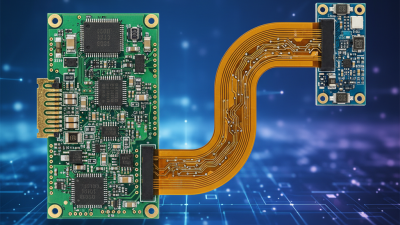
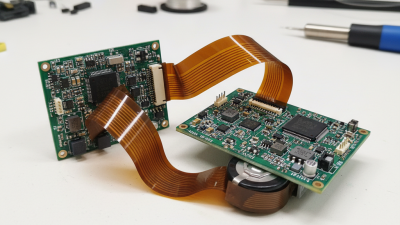
The emergence of rigid flex PCBs has revolutionized the electronics industry. These innovative circuit boards combine the best features of rigid and flexible PCBs. According to a report by Smithers, the rigid flex PCB market is expected to grow by 7.5% annually over the next five years. This growth highlights the increasing demand across various sectors.
Industry expert Dr. Emily Tran, known for her work in advanced electronics, emphasizes the significance of this technology: "Rigid flex PCBs allow for more compact designs and improved reliability in diverse applications." Flexibility is key, but challenges remain. Designers must consider costs and material limitations.
Choosing the right rigid flex PCB can be daunting. Many options exist, but not all will meet specific project requirements. As the industry advances, reflecting on choices and outcomes is crucial. Awareness of the limitations within this market can lead to better decision-making in future electronics projects.
Top Characteristics to Look for in Rigid Flex PCBs
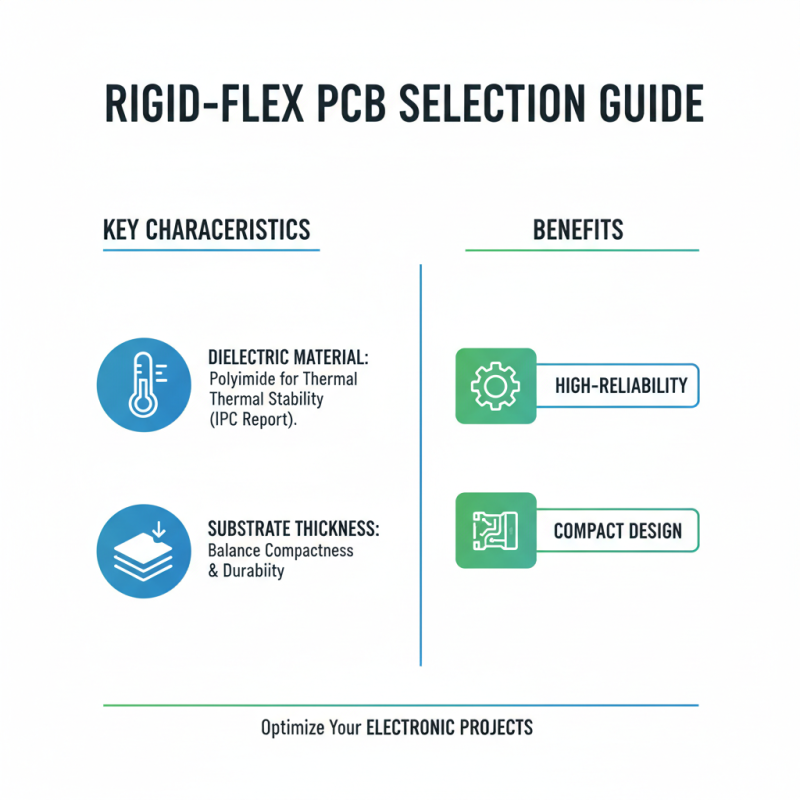
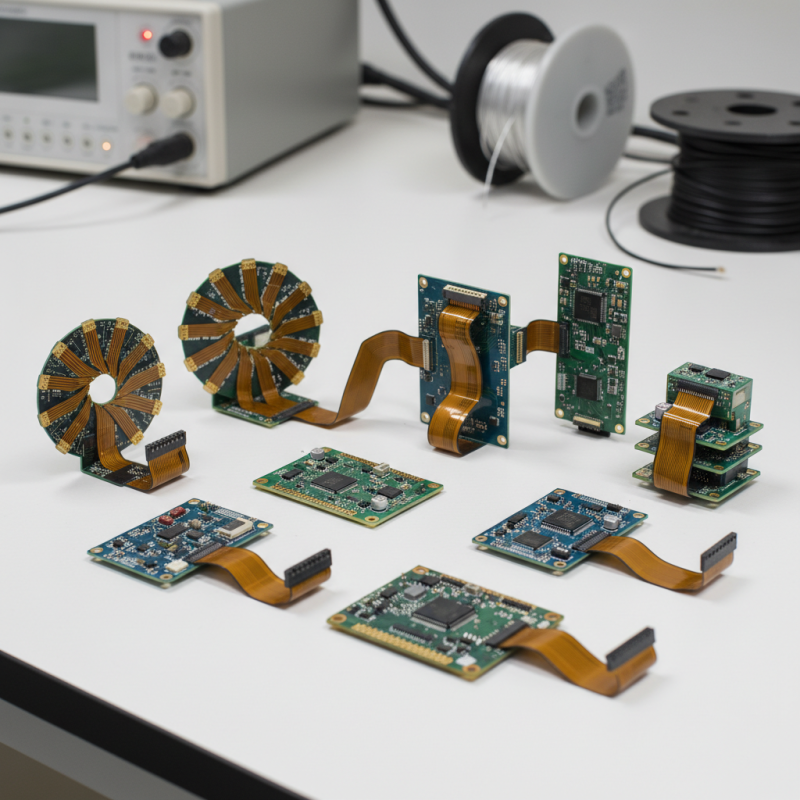
When choosing rigid flex PCBs for electronic projects, specific characteristics are crucial. One key detail is the dielectric material. A report from IPC states that materials like polyimide provide excellent thermal stability. This is vital for high-reliability applications. The substrate thickness also matters. Thinner options allow for more compact designs, but they may compromise durability. Balancing thickness with flexibility is essential.
Another important feature is layer count. According to recent data, multi-layer designs can help save space and enhance connectivity. However, complexity can lead to higher manufacturing costs. It's a trade-off that requires careful consideration. One must also account for testing processes. Rigid flex PCBs can be more challenging to inspect compared to traditional ones. This aspect adds time and cost to project timelines.
Finally, consider the environmental impact. Reports show a growing demand for eco-friendly materials in PCB manufacturing. As sustainability becomes a focus, choosing the right materials is more critical than ever. The available options may be increasing, but finding the right fit often involves trial and error. Rigid flex PCBs can be ideal for many applications, but they require careful evaluation of these key characteristics.
Comparative Analysis of Leading Rigid Flex PCB Manufacturers
Rigid flex circuits are gaining traction in various electronics projects. Their unique combination of rigidity and flexibility offers distinct advantages. They can save space and reduce weight, which is crucial for compact devices. Recent industry studies highlight that the rigid flex PCB market is projected to grow at a CAGR of around 10% over the next five years.
When evaluating rigid flex PCB manufacturers, it's essential to consider several factors. Quality control mechanisms play a vital role in ensuring reliability. An analysis of leading manufacturers shows discrepancies in production consistency. Some firms achieve a near-zero defect rate. Others struggle to maintain similar standards. This inconsistency can significantly impact the final product's performance.
Cost is another critical consideration. While some manufacturers offer lower prices, they may compromise on material quality. Many project managers report unexpected expenses due to poor circuit reliability. An industry report indicates that up to 30% of development budgets can be consumed by fixing issues linked to subpar PCBs. Thus, thorough research and careful selection are vital for successful outcomes in electronics projects.
10 Best Rigid Flex PCB Options for Your Electronics Projects
| Manufacturer |
Layer Count |
Material Type |
Max Size (mm) |
Thickness (mm) |
Minimum Trace Width (mm) |
Lead Time (Weeks) |
| Manufacturer A |
4 |
Polyimide |
300 |
0.20 |
0.10 |
3 |
| Manufacturer B |
6 |
FR-4 |
250 |
0.15 |
0.08 |
4 |
| Manufacturer C |
8 |
Polyester |
400 |
0.30 |
0.12 |
5 |
| Manufacturer D |
10 |
Bendable PCB |
350 |
0.25 |
0.10 |
6 |
| Manufacturer E |
5 |
Copper |
300 |
0.18 |
0.09 |
4 |
Applications of Rigid Flex PCBs in Modern Electronics
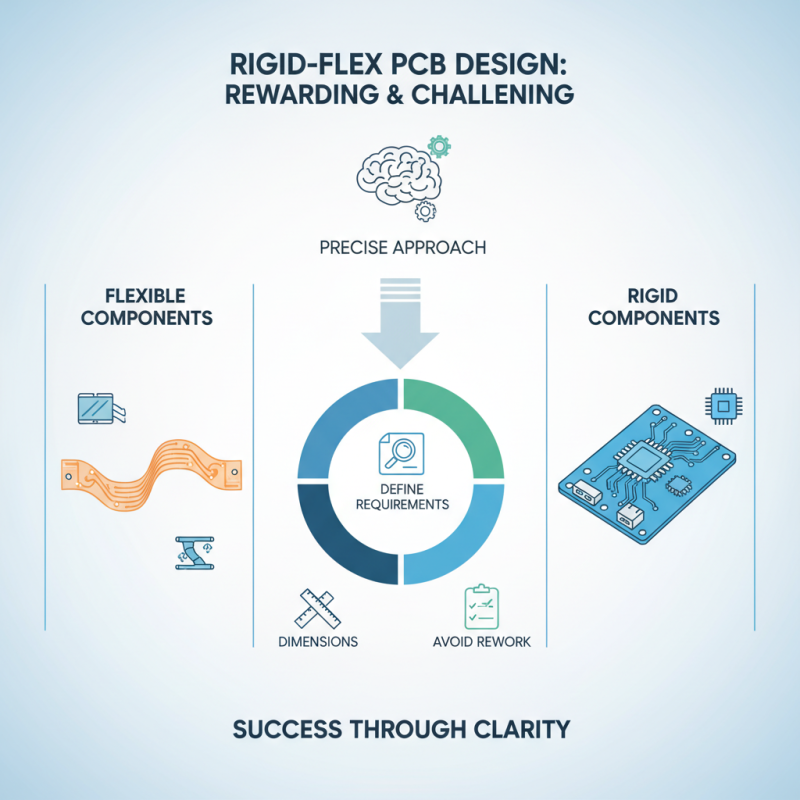
Rigid flex PCBs blend the advantages of flexible and rigid circuit boards. They are used widely in smart devices, medical equipment, and automotive electronics. Their design allows for more compact and lightweight devices. This dual nature helps reduce the overall footprint of electronic parts. However, integration can be tricky. It requires precise design and manufacturing processes.
Modern electronics benefit greatly from rigid flex PCBs. For instance, in wearable technology, these boards conform to various shapes. They ensure a seamless connection between different components. In medical devices, reliability is crucial. Rigid flex PCBs provide stability while remaining lightweight. Yet, the complexity of assembly can pose challenges. Designers must navigate potential issues during the development phase.
Another application is in aerospace. Here, durability is vital for performance in extreme conditions. Rigid flex PCBs can withstand vibrations and temperature fluctuations. However, sourcing materials can sometimes be a headache. Balancing cost and quality is always a concern. These decisions impact the longevity and functionality of the final product. It's essential to consider each aspect carefully.
Applications of Rigid Flex PCBs in Modern Electronics
Cost Considerations for Rigid Flex PCB Projects
Cost is a significant factor in rigid flex PCB projects. These versatile boards combine the advantages of both rigid and flexible designs, but their manufacturing can be complex. When budgeting, consider the materials, fabrication processes, and assembly costs. Each choice can significantly impact your total expenses.
A well-made rigid flex PCB often requires advanced manufacturing techniques. These might increase costs compared to traditional PCBs. For example, the need for multiple layers and specialized adhesives can drive up the price. Moreover, achieving the right balance between flexibility and durability can be tricky. Sometimes, simpler designs turn out to be more economical and effective.
It's essential to benchmark different suppliers before making a decision. Some may offer lower prices, but this could come with trade-offs in quality. Therefore, it’s wise to review your project needs carefully. Striking a balance between cost and performance often requires reflection and iterative design. Ultimately, the right choice should align with your overall project goals.