China Top Flex PCB Manufacturing Solutions for Global Buyers?
As the demand for flexible electronics surges, flex PCB manufacturing stands at the forefront of this evolution. Market research from IPC states that the global flexible printed circuit board market is expected to reach USD 30 billion by 2026, demonstrating significant growth potential. This rise is fueled by advancements in consumer electronics and the automotive sector.
Manufacturing solutions in China are particularly noteworthy. They combine cost efficiency with high-quality production standards. Companies like Shenzhen Yicheng and KingSun leverage advanced technologies and skilled labor to meet global requirements. However, the industry faces challenges. Issues such as material sourcing and environmental regulations need careful consideration. Manufacturers must remain agile to adapt to these changes.
Flex PCB manufacturing is not without its pitfalls. Quality control remains a persistent concern. Diverse applications require varied expertise, and not all providers maintain the same standards. Buyers must prioritize reliability when selecting manufacturing partners. Choosing the right supplier involves extensive research and ongoing evaluation.
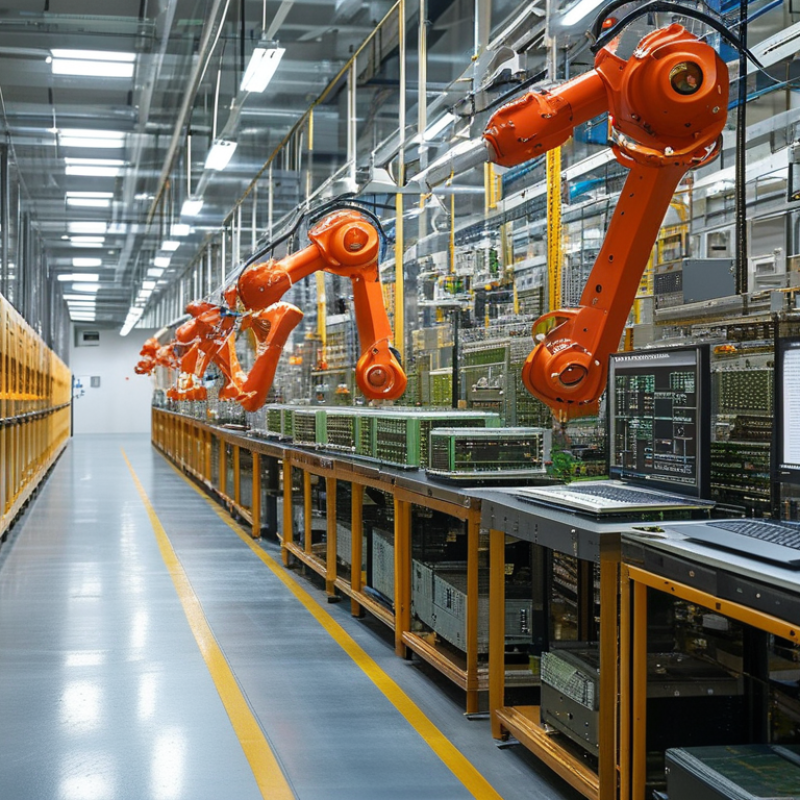
China's Leading Flex PCB Manufacturers: An Overview
As the demand for flexible printed circuit boards (PCBs) continues to rise, China has emerged as a key player in the global market. A recent report projects the flexible PCB market to reach $23.8 billion by 2025, growing at a CAGR of 7.9%. This growth underscores the importance of selecting the right manufacturers in China, known for their advanced technology and high production capacities.
Leading manufacturers in China utilize innovative techniques to produce flexible PCBs with superior characteristics. They are often equipped with state-of-the-art machinery, allowing for greater precision and efficiency. For instance, many facilities adhere to ISO 9001 standards, ensuring quality control at all production stages. However, the industry's rapid expansion has led to challenges, such as supply chain disruptions and varying quality levels among manufacturers. Buyers must diligently assess potential partners to mitigate risks and ensure reliability.
Data indicates that about 60% of global demand for flexible PCBs is driven by the consumer electronics sector. This rising trend calls for manufacturers that can adapt to fast-paced changes and deliver products that meet tight deadlines. Nevertheless, it is crucial for buyers to conduct thorough due diligence on manufacturers to avoid pitfalls related to inconsistent quality or unnoticed compliance issues. A careful selection process can yield fruitful partnerships in the dynamic landscape of flexible PCB manufacturing.
Key Advantages of China's Flex PCB Manufacturing
China stands out in the flexible printed circuit board (PCB) manufacturing industry, attracting global buyers. The area's success stems from various key advantages. According to recent market analysis, China's PCB output reached over 30 billion USD in 2022, making it a major player. The proficiency in manufacturing complex flex PCBs meets rising demands across sectors, including consumer electronics and automotive.
Manufacturers in China excel in rapid prototyping and scalability. Advanced technology allows for quick turnaround times without compromising quality. The ability to produce small to large volumes enables clients to adapt to market changes swiftly. Despite this efficiency, manufacturers often face challenges related to supply chain disruptions and quality control. A critical aspect involves continuous improvement and investment in materials.
When sourcing flex PCBs, consider the certification of manufacturers. Reliable companies often possess ISO certifications, ensuring adherence to international quality standards. Communication is equally crucial in addressing specific project needs. This helps mitigate risks and enhances collaboration.
Emphasizing long-term relationships with suppliers can further add value in terms of innovation and cost efficiency. Many businesses overlook the importance of ongoing dialogue with manufacturers. Exploring new collaborations can ensure an evolving supply chain adapted to technological shifts. Awareness of these dynamics is essential for buyers aiming for success in the competitive flex PCB landscape.
Top Factors Global Buyers Consider When Sourcing Flex PCBs
When sourcing flexible printed circuit boards (Flex PCBs), global buyers prioritize several key factors that impact their decision-making process. Quality often tops the list. According to a recent industry report, about 70% of companies identify quality assurance as the primary criterion when choosing suppliers. Consistency in manufacturing and adherence to industry standards, such as IPC-A-600, are crucial for maintaining performance in applications ranging from consumer electronics to medical devices.
Another significant factor is lead time. A study by IPC found that 60% of buyers consider delivery speed vital to their operations. In today’s fast-paced market, delays can disrupt entire supply chains. Additionally, buyers emphasize the importance of technical support and collaboration. Many require suppliers to be accessible for troubleshooting and modifications during production. This partnership approach fosters innovation and efficiency, which is particularly important for complex designs or implementation challenges.
Pricing also plays a pivotal role. While buyers seek competitive rates, excessive cost-cutting might lead to quality compromises. A balance is fundamental. Reports indicate that nearly 40% of companies regret choosing the cheapest options, as this often results in additional expenses down the line. Transparency in pricing and clear communication regarding costs help avert misunderstandings and build lasting relationships between manufacturers and buyers.
Innovations in Flex PCB Technology from Chinese Manufacturers
In recent years, Chinese manufacturers have pioneered significant advancements in flex PCB technology. The global flex printed circuit board market is expected to reach $27.3 billion by 2027, with a CAGR of 10.3% from 2020 to 2027, according to a recent industry report. This growth is driven by the increasing demand for compact and lightweight electronic devices. Innovations in flexible circuitry enable more intricate designs while ensuring durability and reliability.
One key innovation is the development of high-density interconnect (HDI) technology. This allows for more components to be packed into smaller spaces, crucial for mobile devices and wearables. Chinese manufacturers are also incorporating advanced materials, such as polyimide, which enhances flexibility and thermal stability. The use of automated production processes is another significant trend, improving precision and reducing manufacturing costs.
With innovations come challenges. Quality control in flex PCB production remains a considerable concern. Defects can arise from various stages, notably during material handling and assembly. Manufacturers must adopt rigorous testing methods to ensure that products meet the required industry standards. It’s essential to stay vigilant about these issues to improve the overall quality of flex PCBs.
Investing in knowledge-sharing platforms can facilitate better communication between manufacturers and buyers, promoting transparency. Understanding the latest developments in flex PCB design will enable buyers to make informed decisions. Exploring new technologies may also reveal potential areas for improvement in their existing products.
Challenges and Solutions in Sourcing Flex PCBs from China
Sourcing flex PCBs from China presents unique challenges for global buyers. Quality control remains a significant concern. A report from IPC shows that nearly 30% of defective PCBs are attributed to manufacturing processes. Moreover, varying standards can complicate alignment with international requirements. Buyers must conduct thorough due diligence on suppliers. This step can mitigate risks and enhance product reliability.
Another challenge is communication. Language barriers can lead to misunderstandings in specifications and timelines. Additionally, time zone differences may delay responses. To address these issues, some companies opt for local intermediaries who can bridge the communication gap effectively. Industry data indicates that sourcing through local agents can reduce lead times by up to 25%.
Logistics also poses challenges. Import regulations, tariffs, and shipping delays can disrupt supply chains. It's crucial to stay informed about these factors. A survey conducted by Deloitte highlighted that 40% of firms encountered delays due to logistical issues last year. Global buyers must develop robust contingency plans to navigate these complexities. Understanding local regulations can also foster smoother transactions and partnerships.
China Top Flex PCB Manufacturing Solutions for Global Buyers
| Dimension |
Challenges |
Solutions |
| Cost Efficiency |
High manufacturing costs due to material price fluctuations. |
Negotiate bulk purchase agreements with suppliers. |
| Quality Control |
Inconsistent product quality from different manufacturers. |
Implement stringent quality assurance protocols. |
| Lead Time |
Long lead times affecting supply chains. |
Establish clear communication and realistic timelines with manufacturers. |
| Technological Advancements |
Rapidly changing technology making it hard to keep up. |
Invest in R&D and stay updated with industry trends. |
| Regulatory Compliance |
Navigating different compliance standards in various countries. |
Stay informed about international regulations and adjust processes accordingly. |