China Top Hydraulic Pump Physics Insights for Global Buyers?
In the realm of hydraulic engineering, a profound understanding of "гидравлический насос физика" is essential for global buyers. Dr. Alexei Smirnov, a renowned expert in hydraulic systems, emphasizes, "The physics of hydraulic pumps is the backbone of efficient machinery." His insights highlight the intricate mechanisms that drive these essential devices.
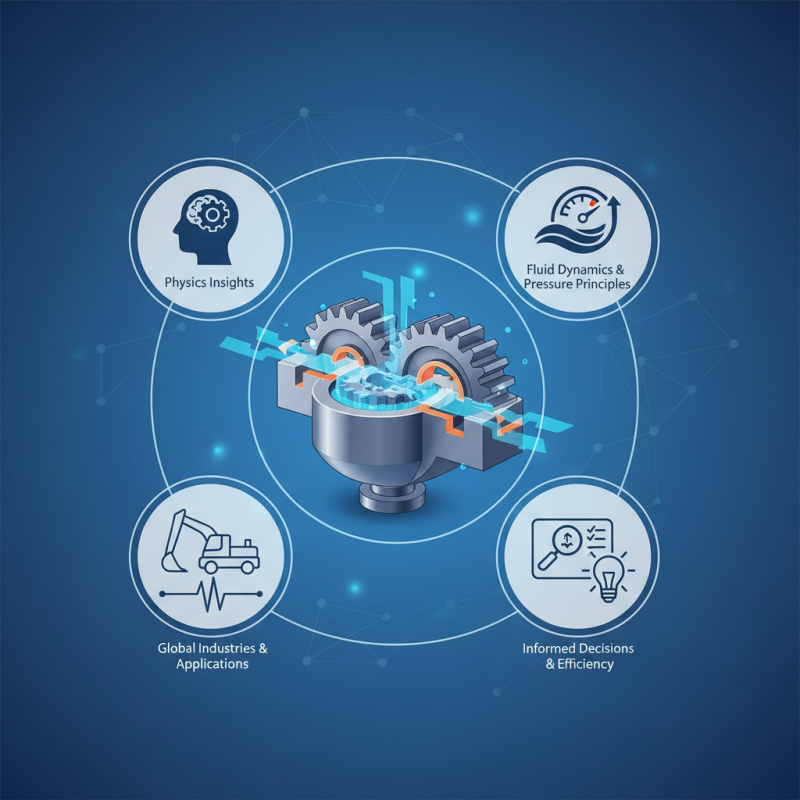
Hydraulic pumps serve various industries, powering everything from construction equipment to automotive systems. Understanding their physics involves grasping fluid dynamics and pressure principles. Each component, from the motor to the gear, plays a crucial role in performance. Yet, many buyers overlook the nuances of these systems, often leading to inefficiencies.
Buyers should reflect on common misconceptions. The industry’s complexity can intimidate; however, informed decisions can yield significant long-term benefits. Engaging with experienced professionals and utilizing educational resources can bridge knowledge gaps. By respecting the science behind hydraulic systems, one can ensure optimal functionality and reliability in any project.
Overview of Hydraulic Pumps in China
Hydraulic pumps play a crucial role in various industries, especially in construction and manufacturing. In China, the market for hydraulic pumps has seen significant growth. With advancements in technology, these pumps now deliver higher performance and efficiency. They are essential for using hydraulic systems in machinery, making them indispensable for many operations.
Tips: When selecting a hydraulic pump, consider the application carefully. Understanding the system's pressure and flow requirements is vital. Researching different types can prevent costly mistakes.
The diversity of hydraulic pumps available in China reflects the needs of global buyers. From gear pumps to piston pumps, each type offers unique advantages. However, quality can vary, and not every option is suitable for every application. Conducting thorough research is essential to find reliable suppliers.
Tips: Don't rush your decision. Evaluate multiple options and compare specifications. Engaging with industry experts might provide valuable insights that enhance your selection process.
Key Manufacturers and Their Technological Innovations
The hydraulic pump industry in China is a hub of innovation. Leading manufacturers are pushing the boundaries of technology, focusing on efficiency and performance. They are integrating smart sensors to monitor fluid flow. These sensors help in real-time diagnostics and enhance pump reliability.
Manufacturers are also investing in advanced materials. For instance, lightweight alloys improve durability and resistance to wear. This innovation reduces maintenance needs. However, the frequent updates in technology can overwhelm buyers. Understanding the latest features becomes crucial for making informed decisions. Buyers should be prepared to educate themselves about these rapidly evolving technologies.
Despite the impressive advancements, challenges remain. The balance between cost and quality often leads to tough choices for manufacturers. Not every innovation proves beneficial in all situations. Buyers need to evaluate these technologies carefully, considering their specific needs. Engaging with industry experts can aid in this decision-making process.
Understanding Hydraulic Pump Physics Principles
Hydraulic pumps convert mechanical energy into hydraulic energy. They play a crucial role in various industrial applications. Understanding the principles behind hydraulic pumps is essential for global buyers. The efficiency of these pumps relies heavily on fluid dynamics. Variations in fluid viscosity, temperature, and flow rates can all impact performance.
Pressure is a key factor in hydraulic systems. It determines how effectively the pump can transmit energy. A common issue arises from cavitation, which occurs when pressure drops below a certain level. This can cause damage and reduce efficiency. Buyers should consider the design and materials used in pumps to prevent such challenges.
Another important concept is the flow rate, which measures the volume of fluid moving through the pump. It needs to match the system requirements for optimal operation. Buyers should evaluate their specific needs thoroughly. Yet, many overlook the significance of regular maintenance. Neglecting it can lead to unexpected breakdowns, affecting productivity. Understanding these physical principles can empower buyers to make informed decisions.
Global Market Trends and Buyer Considerations
When considering hydraulic pumps in China, buyers must grasp key market trends. The shift towards automation and smart technology is significant. Many manufacturers are implementing IoT to improve efficiency. This allows real-time monitoring and diagnostics, enhancing operational reliability.
However, navigating the market can be challenging. Quality control remains a common issue among some suppliers. Variations in standards often lead to inconsistent performance. Buyers should take time to assess certifications and manufacturing practices. Conducting thorough research can prevent costly mistakes.
Price competitiveness also plays a crucial role. While many options appear affordable, cheaper products can lead to operational failures. Understanding the balance between cost and quality is vital. It’s essential for buyers to develop strong relationships with trusted suppliers. This fosters better communication and support, which ultimately leads to more informed decisions.
Future Directions in Hydraulic Pump Technology and Demand
As the demand for hydraulic pumps continues to rise, the industry is evolving rapidly. Analysts predict a growth rate of 5.3% annually through 2028, driven by sectors like construction and agriculture. This increasing demand highlights the need for advanced technology that can improve efficiency and reduce operational costs.
Innovations in hydraulic pump design are gaining momentum. Research indicates that electronic control systems can enhance precision and responsiveness. Moreover, the shift towards eco-friendly materials is expanding the market for manufacturers focused on sustainability.
Still, the industry faces challenges, including supply chain disruptions and fluctuating raw material prices. Looking ahead, companies must invest in research and development. Adapting to changing customer needs is crucial for long-term success.
However, the balance between cost and performance remains a complex issue. Understanding these dynamics will be key for global buyers seeking reliable hydraulic solutions.