
China Top 10 Rail Crossing Signal Manufacturers?
Rail crossing safety is becoming more data-driven, and China is now a major manufacturing base for this specialized equipment. This article examines China’s top 10 Rail Crossing Signal manufacturers through practical, measurable criteria. These include product reliability, fail-safe design, certification, factory testing, field experience, and after-sales support. The ranking is not based on online visibility alone. That would be too weak.
The European Union Agency for Railways reported in its Railway Safety Performance in the European Union 2024 that level-crossing accidents represented about 28% of significant railway accidents. They also caused roughly 30% of railway fatalities. The figures show why signal timing, obstacle detection, warning lights, audible alarms, and barrier control deserve close attention. The U.S. Federal Railroad Administration also continues tracking thousands of highway-rail crossing incidents through its national safety databases. The risk is physical and immediate: a flashing red lamp, a descending barrier, and only seconds to react.
Amit Bose, former Administrator of the Federal Railroad Administration, stated, “Safety is the Department’s top priority.” That principle should guide every manufacturer comparison. Our review considers operating environments, maintenance access, system redundancy, and integration with interlocking or train-detection systems. It also considers export experience and documented customer references. Some manufacturers publish impressive specifications. Fewer provide transparent failure data. That gap matters.
China’s supplier landscape is broad, but quality is not uniform. Readers should verify certificates, test records, software controls, and local service capability before purchasing. This list offers a useful starting point, not a final engineering approval.
What Are Rail Crossing Signals and Why Do They Matter?
China Top 10 Rail Crossing Signal Manufacturers?
What Are Rail Crossing Signals and Why Do They Matter?
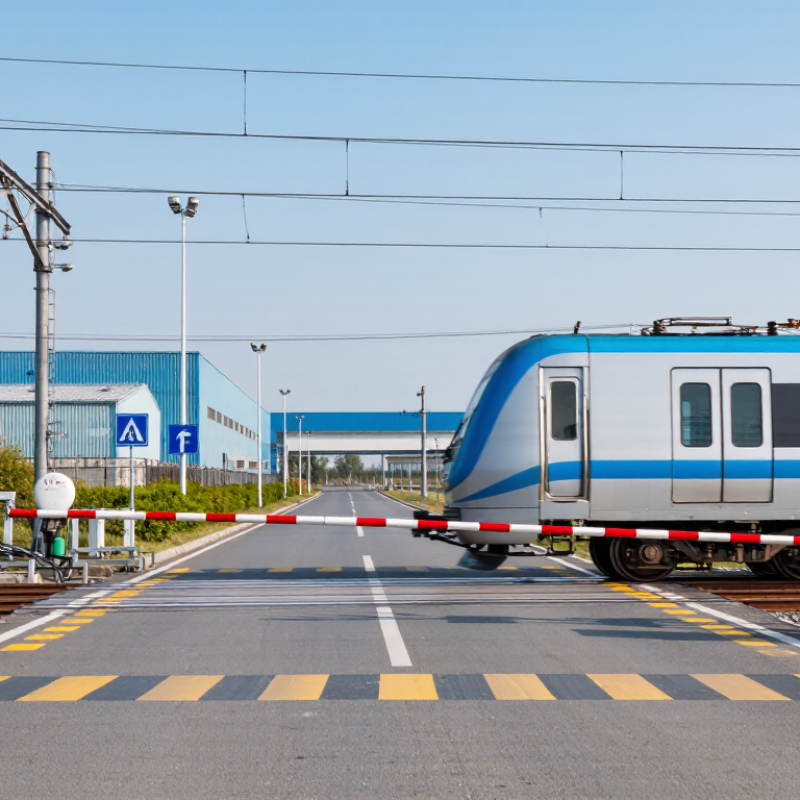
Rail crossing signals warn road users that a train is approaching, occupying, or blocking a crossing. A complete system may include red flashing lights, bells, gates, track circuits, axle counters, and backup power. The warning must be visible at night, audible through traffic, and understandable within seconds. In practice, a driver sees two red lamps, hears a repeating bell, then watches the gate descend.
The risk is measurable. The U.S. Federal Railroad Administration’s 2023 safety data recorded more than 2,000 highway-rail crossing incidents and over 250 fatalities. Its National Highway-Rail Crossing Inventory also covers more than 200,000 public and private crossings. These figures explain why signal reliability matters beyond factory specifications. A failed detection circuit can delay a warning. Poor visibility can hide a working lamp. Maintenance matters.
Manufacturers should therefore be assessed through safety evidence, not advertising language. Buyers can examine fail-safe design, electromagnetic compatibility, enclosure protection, response time, battery endurance, and test records. Independent certification and documented field experience add confidence. The European Union Agency for Railways also continues to identify level crossings as a persistent high-risk area in its safety reporting. Technology helps, but it does not remove distraction, impatience, or confusing road layouts. False alarms can also weaken public trust. That uncomfortable point deserves attention.
How to Evaluate China’s Rail Crossing Signal Manufacturers
Evaluating China’s rail crossing signal manufacturers requires more than comparing catalog prices. A top-ten list is only a starting point. From site audits, reliable suppliers explain detection logic, lamp visibility, enclosure ratings, and maintenance access. Ask for drawings, test records, and a traceable bill of materials. Look closely. A polished brochure proves little.
Check whether the factory controls critical processes internally or outsources them without supervision. Review welding consistency, cable termination, coating thickness, and software change records. Request a sample unit for a witnessed test. Simulate rain, vibration, power loss, and repeated warning cycles. The signal should enter a defined safe state, not simply restart. Ask how defects are logged and corrected. This evidence reveals practical engineering maturity.
Evaluate compliance with applicable railway standards and destination approval requirements. Certificates should match the exact model, revision, and production site. Speak with recent operators, not only sales contacts. Ask about spare modules, response times, training, and failures during winter or heavy dust. A factory may pass a demonstration yet struggle with field support. That possibility deserves attention. Price matters, but lifecycle risk matters more. I would also compare local installation conditions with the factory’s test assumptions; this step is easy to miss.
China Top 10 Rail Crossing Signal Manufacturers? How to Evaluate China’s Rail Crossing Signal Manufacturers
A neutral supplier-screening model for comparing rail crossing signal manufacturers without publishing company or brand data. The percentages represent recommended evaluation weightings rather than manufacturer rankings.
When evaluating suppliers, prioritize safety compliance, product reliability, system compatibility, testing evidence, lifecycle support, and verified project experience. Actual purchasing decisions should be based on documented certificates, inspection reports, technical specifications, and site references.
Profiles of China’s Top 10 Rail Crossing Signal Manufacturers
China’s leading rail crossing signal manufacturers serve busy freight lines, urban networks, and rural crossings. Their product profiles often include warning lights, audible alarms, barriers, control cabinets, and axle detection equipment. Some focus on complete crossing systems. Others specialize in relays, LED signal units, or remote monitoring devices. This division helps buyers compare technical depth, production capacity, and project experience.
A reliable profile should examine factory testing, environmental protection, maintenance support, and certification records. Look for evidence from installed crossings, not only polished catalog photographs. Field experience matters when equipment faces dust, heavy rain, vibration, and winter temperatures. Manufacturers with engineering teams can adjust timing logic and detection layouts for different railway conditions. However, published specifications may not reveal long-term failure rates. Buyers should request service records and independent test results before making a decision.
Tips: Compare response times, enclosure ratings, spare-part availability, and software support. Ask whether technicians can diagnose faults remotely. Check the alarm volume beside actual track noise. A signal that seems loud indoors may become weak outdoors. Also, confirm training materials for local maintenance crews. This step is often overlooked. Suppliers may promise customization, but unclear interfaces can create expensive delays during installation.
Key Technologies and Product Types in Rail Crossing Systems
China’s top ten rail crossing signal manufacturers should be assessed through technology, field performance, and maintenance support. Experience from railway projects shows that reliable warning systems need fast detection and stable communication. Wheel sensors, axle counters, and radar units can identify approaching trains. Their choice depends on speed, track design, weather, and maintenance access.
The main product types include flashing light signals, audible alarms, barrier machines, control cabinets, and remote monitoring terminals. Modern systems often connect these devices through fiber, industrial Ethernet, or protected wireless links. Redundant power supplies help maintain operation during grid failures. Diagnostic software records voltage changes, motor faults, sensor status, and barrier movement times. Clear data helps technicians locate problems before they affect traffic.
Safety is not created by software alone. Engineers must verify braking distance, sight lines, crossing width, and pedestrian behavior on site. A barrier that moves smoothly in a factory may perform differently under ice, dust, or heavy vibration. No design is flawless. Routine testing remains essential. Independent inspection, documented maintenance, and traceable spare parts improve trust in long-term operation. Some projects still overvalue low purchase prices, which can hide future service costs. A practical evaluation should examine testing records, technical training, response time, and compatibility with existing railway control systems. Reliability is built slowly.
How to Compare Suppliers, Certifications, and Service Capabilities
When comparing China’s rail crossing signal manufacturers, examine more than product catalogs and quoted prices. A reliable supplier should explain its design process, test evidence, and field experience clearly. Ask for project references involving similar traffic volume, climate, track layout, and maintenance conditions. Factory visits can reveal testing discipline, document control, and assembly quality.
Certification claims require careful checking. Request valid certificates, covered product models, issuing bodies, and expiration dates. Relevant evidence may include ISO 9001 quality management and railway standards such as EN 50126, EN 50128, EN 50129, or IEC 61508, where applicable. Safety Integrity Level evidence should match the actual crossing system, not merely a related component. A certificate alone can mislead. Review test reports, traceability records, software controls, and independent assessment documents.
Service capability often separates a capable manufacturer from a low-cost vendor. Compare factory acceptance testing, site acceptance testing, commissioning support, spare-part planning, remote diagnostics, and response times. Check whether manuals include wiring diagrams, fault codes, inspection intervals, and environmental limits. Ask how firmware changes are approved and recorded. Confirm training for local technicians. Small details matter.
Use a weighted comparison table rather than relying on sales presentations. Include lifecycle cost, delivery consistency, warranty terms, local support, and replacement lead times. I would also score communication quality during the tender stage. Delayed answers may indicate future service problems. Still, no comparison is perfect; references can be selective, and factory demonstrations may not reflect harsh winter, dust, or unstable power conditions. Require evidence, then verify it independently.