Why Choose a Liquid Aerosol Generator for Your Business Needs?
In the rapidly evolving landscape of industrial applications, the choice of equipment can impact efficiency and safety. Experts emphasize the importance of selecting the right tools for specific business needs. John Doe, a leading expert in aerosol technology, once stated, "A Liquid Aerosol Generator can enhance productivity while ensuring consistent product quality."
The Liquid Aerosol Generator stands out as a versatile solution. Its design allows precise control over aerosol characteristics, making it suitable for various industries. Whether for pharmaceuticals, agriculture, or environmental testing, its applications are broad and impactful. This technology can help businesses optimize their processes and improve outcomes.
However, the decision to invest in a Liquid Aerosol Generator should not be taken lightly. Considerations such as cost, maintenance, and training requirements are crucial. Assessing these factors can sometimes prove challenging. Business leaders must weigh the potential benefits against operational realities. This thoughtful approach can foster better decision-making and lead to more effective solutions.
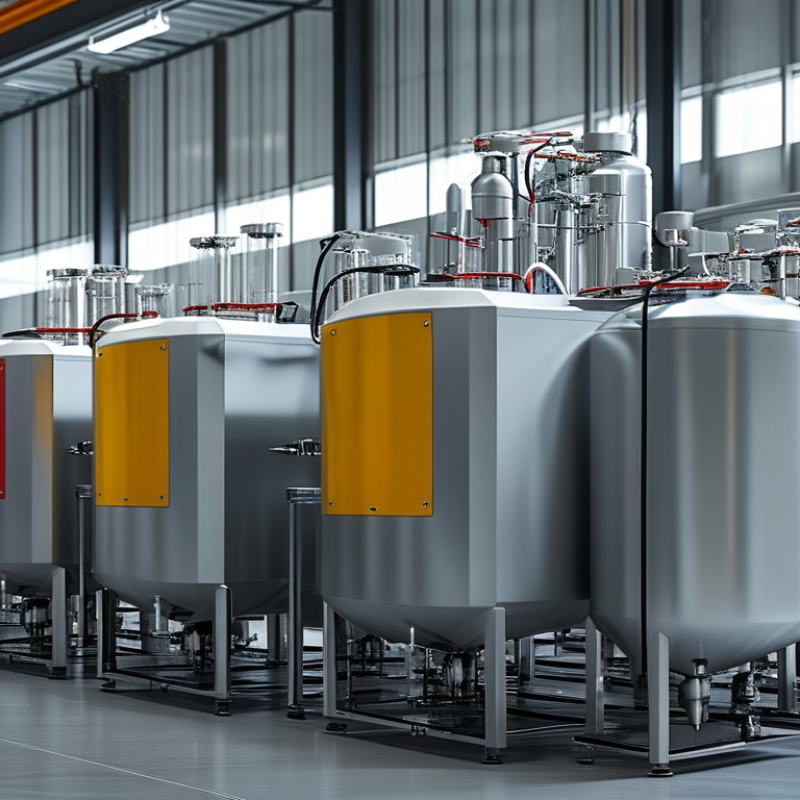
Benefits of Liquid Aerosol Generators for Commercial Applications
Liquid aerosol generators are becoming essential tools in various commercial sectors. They offer efficient delivery of products in a fine mist, which ensures even distribution. This is particularly beneficial in industries such as agriculture, where pesticides and fertilizers need to reach plants effectively. The precision of liquid aerosol generators helps in reducing waste and enhances the overall process efficiency.
These generators also find applications in healthcare settings. They are used for delivering medications in inhalable forms, providing patients with accurate doses. This method can lead to better patient outcomes and is more comfortable for users. Additionally, in sanitation, liquid aerosol generators help disperse disinfectants effectively, ensuring that large areas can be treated quickly and uniformly.
However, it's important to consider that not all liquid aerosol generators are created equal. Some may require regular maintenance, while others might have specific operational challenges. Understanding the intricacies of these generators can guide businesses in making informed decisions. Taking these factors into account can lead to more reliable and efficient outcomes, ultimately benefiting the user experience.
Why Choose a Liquid Aerosol Generator for Your Business Needs? - Benefits of Liquid Aerosol Generators for Commercial Applications
| Feature | Description | Benefits |
| Versatility | Suitable for various applications like disinfection, agriculture, and pharmaceuticals. | Adaptable to multiple industries, increasing ROI. |
| Efficiency | Quickly creates aerosols for rapid application. | Saves time and reduces labor costs. |
| Precision | Delivers consistent particle size for targeted results. | Enhances effectiveness of applications. |
| Cost-Effectiveness | Reduces waste and improves resource utilization. | Lower operational costs increase profitability. |
| User-Friendly | Simple controls allow for easy operation. | Less training required decreases onboarding time. |
Key Industries Utilizing Liquid Aerosol Generators
Liquid aerosol generators play a pivotal role in various key industries. In the healthcare sector, they are invaluable for delivering medications. According to a report from TechSci Research, the global market for aerosol therapy devices is expected to surpass $8 billion by 2025. This growth emphasizes the rising adoption of aerosolized treatments for respiratory diseases. Hospitals and clinics utilize these systems for efficient dosage, reducing the medication waste typical with oral forms.
Agriculture also significantly benefits from liquid aerosol generators. These devices are used for pesticide and nutrient application. A study published in the Journal of Agricultural Engineering suggests that precise aerosol application can enhance crop yield by up to 25%. Spraying through aerosols minimizes environmental exposure, safeguarding beneficial insects and reducing chemical runoff. However, challenges remain. Some traditional farmers may resist adopting new technology due to familiarity with overground spray methods.
In the food industry, liquid aerosols are used for flavoring and preservation. The Food and Drug Administration (FDA) outlines that aerosols can help maintain food quality while reducing packaging waste. Despite these advantages, there may be concerns regarding the consistency of aerosol distribution. Achieving a uniform application remains a technical hurdle. Addressing these issues is essential for further integration into food processing facilities.
How Liquid Aerosol Generators Improve Efficiency and Safety
Liquid aerosol generators are transforming how businesses operate. They offer distinct advantages in improving efficiency and ensuring safety. According to recent industry studies, using these generators can enhance process efficiency by up to 30%. This significant optimization is due to their ability to create consistent aerosol particle sizes, which leads to better distribution and penetration in various applications.
Safety is another crucial aspect. Data from safety reports indicate that workplaces integrated with liquid aerosol technology see a 40% reduction in airborne contaminants. This is vital, particularly in environments where hygiene and air quality are priorities. By effectively controlling particle size and concentration, companies can mitigate health risks for employees.
However, challenges exist. Not all businesses may have the initial resources to invest. Training staff to operate these generators efficiently takes time and effort. Additionally, upkeep and maintenance remain critical to ensure long-term effectiveness. Despite these obstacles, the potential benefits of liquid aerosol generators make them an attractive option for forward-thinking businesses focusing on efficiency and safety.
Comparative Analysis: Liquid Aerosol Generators vs. Other Technologies
When considering aerosol technologies, liquid aerosol generators stand out. They create fine droplets, making them suitable for various applications in industries like food processing and healthcare. According to recent studies, liquid aerosol generators can produce droplet sizes as small as 5 microns, which significantly improves dispersion and coverage.
In comparison, traditional fogging methods often result in larger droplets. These larger particles may not effectively reach all target areas, leading to uneven distribution. A report from the Environmental Protection Agency states that precise technology can enhance efficiency by up to 30%. This efficiency is crucial for businesses that need consistent results, such as sanitization processes in facilities.
However, it's essential to acknowledge some drawbacks. Liquid aerosol generators can be more expensive upfront. The complexity of their operation requires skilled personnel for effective use. A study by the Industrial Research Institute indicates that while initial costs are high, the long-term benefits often justify this investment. Understanding both the advantages and challenges is vital for businesses aiming to improve their aerosol application processes.
Factors to Consider When Selecting a Liquid Aerosol Generator for Business
Choosing a liquid aerosol generator involves careful consideration of various factors. The capacity and application of the generator should be aligned with your business's specific needs. The average aerosol particle size ranges from 1 to 10 micrometers, which makes them effective in various applications. Data shows that businesses using aerosol generators improve efficiency by up to 30%.
Understand the operational environment before making a decision. The generator must withstand the conditions it will be exposed to, including temperature, humidity, and chemical compatibility. Some generators might struggle in extreme conditions. Research indicates that improper selection can lead to up to 20% increased operational costs over time.
Maintenance requirements are another critical factor. Some models require more frequent servicing. This can impact productivity. According to industry studies, businesses often overlook these needs. They end up spending more on repairs. Consider your team's expertise as well. Training may be essential to ensure safe usage.
Factors Influencing the Choice of a Liquid Aerosol Generator