How to Choose the Best Flexible PCB Board for Your Project?
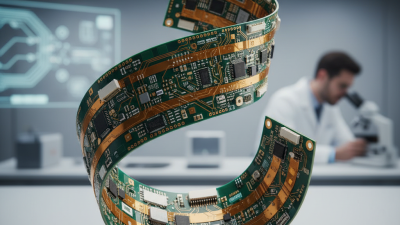
Choosing the right flexible PCB board can significantly impact your project. These boards offer unique advantages due to their adaptability. Engineers and designers often face challenges when selecting the best option.
Consider the application's specific requirements. Not all flexible PCB boards are created equal. Think about factors such as size, thickness, and the number of layers. You might think you need the thinnest option. However, a thicker board could provide better durability for your needs.
Evaluating materials is crucial too. Different substrates can affect both performance and cost. Sometimes, cheaper options lead to poor results. Balancing cost and quality is a common struggle for many professionals. Take the time to reflect on the long-term implications of your choice. The right flexible PCB board can enhance your design and ensure project success.
Understanding the Basics of Flexible PCB Technology
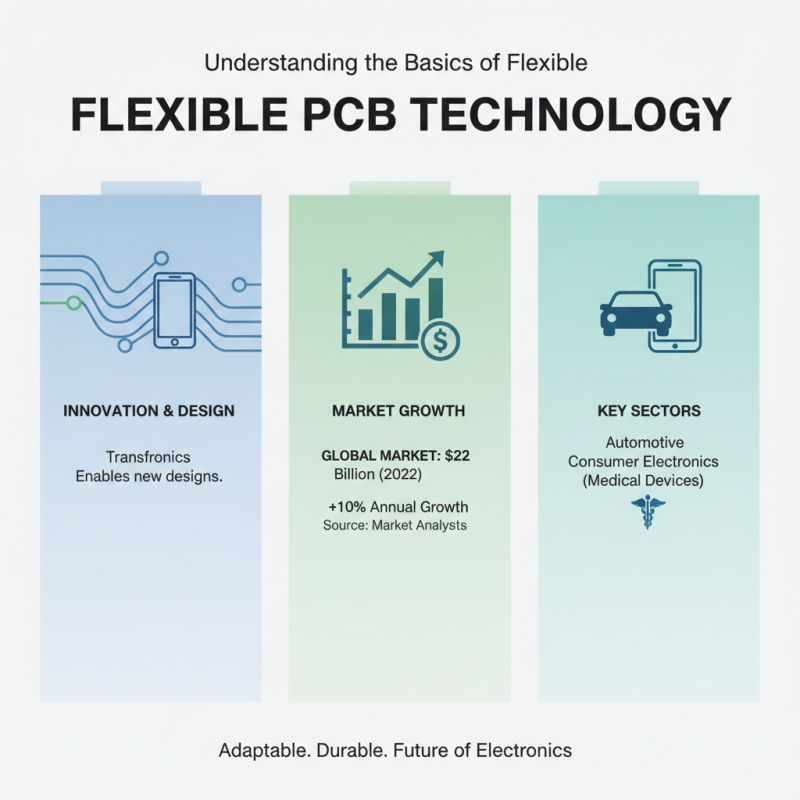
Flexible PCB technology has transformed the electronics industry. These circuits enable a new level of innovation in design and application. In recent years, the global market for flexible PCBs reached approximately $22 billion in 2022. It's expected to grow by more than 10% annually, according to insights from market analysts. This surge reflects enhanced demand across various sectors, including automotive and consumer electronics.
Understanding the basic features of flexible PCBs is crucial. They are made from materials that can bend, twist, and conform to different shapes. The base materials, such as polyimide, enhance durability and heat resistance. However, choosing a suitable thickness can be tricky. A thicker board may offer better rigidity but reduces flexibility. It's essential to find a balance for your specific needs.
While the benefits of flexible PCBs are clear, there are challenges. Not all applications demand such advanced technology. Some projects may involve simpler configurations, where a rigid PCB might suffice. Additionally, not every manufacturer provides high-quality flex PCBs, leading to potential reliability issues. This inconsistency can cause delays and increased costs. Attention to detail during the selection process is vital for achieving the best results.
Identifying the Requirements of Your Project
When embarking on a project that utilizes flexible PCB boards, identifying specific requirements is crucial. Start by analyzing the environmental conditions the PCB will face. Will it be exposed to moisture, high temperatures, or mechanical stress? Understanding these factors helps determine the material choice and design specifications.
Next, consider the dimensions and layout of your project. A compact design may necessitate a smaller flexible PCB. Think about the number of layers you will need. More layers can allow for complex circuits but may also raise production costs. Additionally, you should reflect on the durability required. How long will the PCB need to last? This will influence choices in materials and fabrication techniques.
You may find that balancing performance and cost is challenging. Importantly, don't overlook the need for testing. Prototyping is essential but can lead to unexpected issues. Make sure to allocate time for revisions. Recognizing potential shortcomings early can save significant time and resources later on. Keep in mind that collaboration with engineers or experts can bring valuable insights to this vital phase of your project.
Flex PCB Board Requirements for Various Applications
Evaluating Different Types of Flexible PCB Materials
When choosing flexible PCB materials, consider the specific needs of your project. Different applications require different characteristics. For example, polyimide is popular for its thermal stability. It can handle high heat and is quite durable. However, it may not be the best choice for all environments.
Another option is polyester. This material is more cost-effective but can be less robust than polyimide. It works well in conditions that aren't too demanding. Yet, if your design needs more flexibility, polyester might fall short. Think about how much bending the PCB will undergo. Will it be subjected to stress or movement?
Additionally, look at the thickness of the materials. Thicker boards can provide more structural integrity but may be harder to manipulate. A thinner board may offer better flexibility, but it can also be more prone to damage. Balancing these factors can be challenging. It's important to weigh flexibility against durability. Your choices will influence the overall success of your project.
Comparing Manufacturing Processes for Flexible PCB Boards
When selecting a flexible PCB board, understanding the manufacturing processes is crucial. The most common methods include additive and subtractive processes. In the additive process, materials are built up layer by layer, providing high precision. However, this can lead to increased costs. The subtractive process, on the other hand, removes excess material from a solid sheet. It is often more affordable but may sacrifice some detail.
Tips: Always consider the complexity of your design. If high intricacy is required, additive processes may be necessary, despite higher costs. Simplicity can often be achieved with subtractive methods.
Another factor to weigh is the turnaround time. Additive processes usually take longer due to careful layering. Subtractive methods can speed up production but might not suit every design. Be mindful of your project timeline and plan accordingly.
For some projects, compromises may be needed. A complex design using subtractive methods might not yield the expected results. Testing prototypes early can help uncover potential issues. Building flexibility into your approach allows for adjustments.
Assessing Cost and Quality Factors in Flexible PCB Selection
When selecting a flexible PCB, cost and quality significantly impact your decision. Research shows that a low-cost PCB can save money upfront. However, cheaper materials might reduce performance. According to a report by IPC, nearly 30% of flexible circuit failures are attributed to manufacturing defects. Investing in quality materials can mitigate these risks.
Consider the manufacturing process. Not all fabricators offer the same quality assurance. Some have robust testing phases, while others skimp on inspections. A study from the International Society for Advancement of Material and Process Engineering revealed that quality control is crucial. Circuits with inadequate testing can fail under stress.
Evaluate your project's needs as well. Does it require bending or twisting? Thinner PCBs may be lighter, but their durability might be in question. A flexible PCB not built to withstand movement can lead to expensive prototypes. Inconsistent specifications across suppliers can also pose challenges. Always ask for detailed reports before making a choice.