How to Choose the Best Flexible PCB Manufacturing Service?
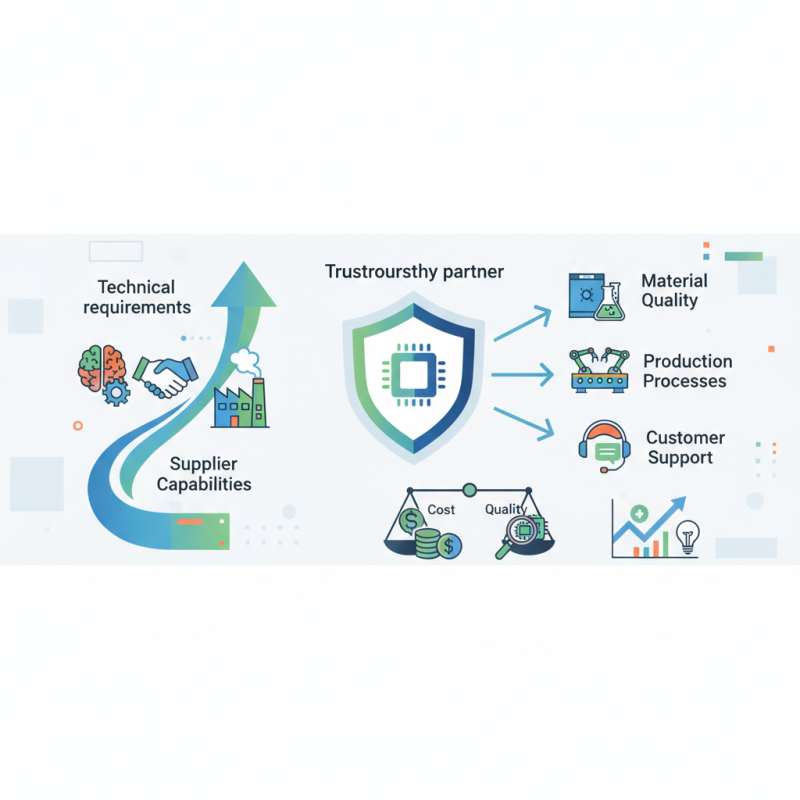
In the rapidly evolving world of electronics, the importance of flexible PCB manufacturing cannot be overstated. Industry expert Dr. Emily Chen notes, “The right manufacturing partner can elevate your technology to the next level.” Selecting the best service requires more than just market research; it demands a thorough understanding of both technical requirements and supplier capabilities.
A flexible PCB is integral to many modern devices, from smartphones to medical equipment. Therefore, identifying a trustworthy partner in flexible PCB manufacturing is essential. Factors such as material quality, production processes, and customer support cannot be overlooked. Misalignment in any of these areas can lead to significant issues, implying the need for careful scrutiny.
Decisions about manufacturing services should not be taken lightly. Balancing cost and quality can often feel overwhelming without expert guidance. Customers must not only evaluate price but also the provider’s expertise and commitment to quality assurance. In the quest for innovation, ensuring reliability in manufacturing is paramount for success in today’s competitive market.
Understanding Flexible PCBs and Their Applications
Flexible printed circuit boards (PCBs) are essential in modern electronics. They allow devices to be lighter, thinner, and more versatile. This makes them ideal for smartphones, wearables, and medical devices. Understanding the applications of flexible PCBs can help in choosing the right manufacturing service.
Flexible PCBs are unique due to their bendable nature. They can be folded and twisted without breaking. This adaptability is valuable in compact devices where space is limited. Furthermore, they support multi-layer designs, improving circuit density. However, not all flexible PCBs are created equal. Different materials and technologies can affect performance.
Tip: Assess your product's specific needs before selecting a type of flexible PCB. Consider factors like temperature, flexibility, and electrical performance.
Some common applications include consumer electronics and automotive systems. These sectors require efficient, complex designs. However, issues like signal integrity and thermal management often arise. Conducting thorough testing during the design phase can mitigate potential problems later on.
Tip: Collaborate with manufacturers who prioritize quality control and testing. This ensures reliability in your final product.
Key Factors to Consider When Selecting a Manufacturing Service
When selecting a flexible PCB manufacturing service, it's crucial to evaluate several key factors. Quality control stands at the forefront. A report from the Institute of Printed Circuits states that over 30% of flexible PCBs fail to meet performance standards. Hence, rigorous testing protocols must be in place. Consider manufacturers with certifications such as ISO 9001. This certification significantly reduces the risk of quality issues.
Another critical aspect is technological capability. The flexibility and reliability of a PCB often hinge on the craftsmanship and technology used in its production. A study by IPC found that advanced manufacturing equipment can enhance production efficiency by up to 25%. However, many manufacturers lack such technologies. Ensure the service provider utilizes cutting-edge tools, as outdated methods can lead to significant delays or inferior products.
Cost efficiency is often a major decision factor. While it's tempting to select the cheapest options, measured investment often produces better long-term results. Data indicates that investing in quality components can yield a 50% decrease in failure rates over time. Balancing cost and quality will require careful consideration and perhaps some reflection on past selections. Evaluating potential partners on these criteria can guide you to the right fit for your flexible PCB needs.
Evaluating the Technical Capabilities of PCB Manufacturers
When selecting a flexible PCB manufacturer, evaluating their technical capabilities is crucial. A reliable manufacturer should demonstrate proficiency in various technologies, such as multilayer PCB fabrication and complex routing. According to industry reports, nearly 70% of production issues arise from inadequate technical expertise. Therefore, assessing a manufacturer’s experience in handling specific project requirements can save time and costs.
Moreover, examine the company's certifications and quality control processes. In 2022, a study showed that 80% of leading manufacturers implemented strict quality management systems. This highlights the importance of compliance with international standards. Understanding their testing methods, such as IPC and ISO certifications, can provide valuable insights into their reliability.
Lastly, consider the manufacturer’s responsiveness to emerging technologies. The PCB industry is evolving rapidly, with a projected annual growth rate of 8% through 2027. Manufacturers who invest in research and development can better meet future demands. However, many still struggle to adapt. Ensure you choose one willing to innovate and enhance their technical capabilities. This adaptability can be a game-changer in your projects.
How to Choose the Best Flexible PCB Manufacturing Service? - Evaluating the Technical Capabilities of PCB Manufacturers
| Criteria |
Rating (1-5) |
Comments |
| Experience in Flexible PCB Manufacturing |
4 |
10+ years in the industry |
| Technology Capabilities |
5 |
Advanced fabrication technology, including HDI |
| Design Support |
4 |
Offers CAD support and design feedback |
| Quality Certifications |
5 |
ISO 9001, IPC certified |
| Production Capacity |
4 |
Can handle large volume orders |
| Lead Times |
3 |
Standard lead time is around 2-4 weeks |
| Customer Support |
5 |
Responsive support team available 24/7 |
| Cost Competitiveness |
4 |
Pricing is reasonable for quality offered |
Assessing Cost-Effectiveness and Budget Considerations
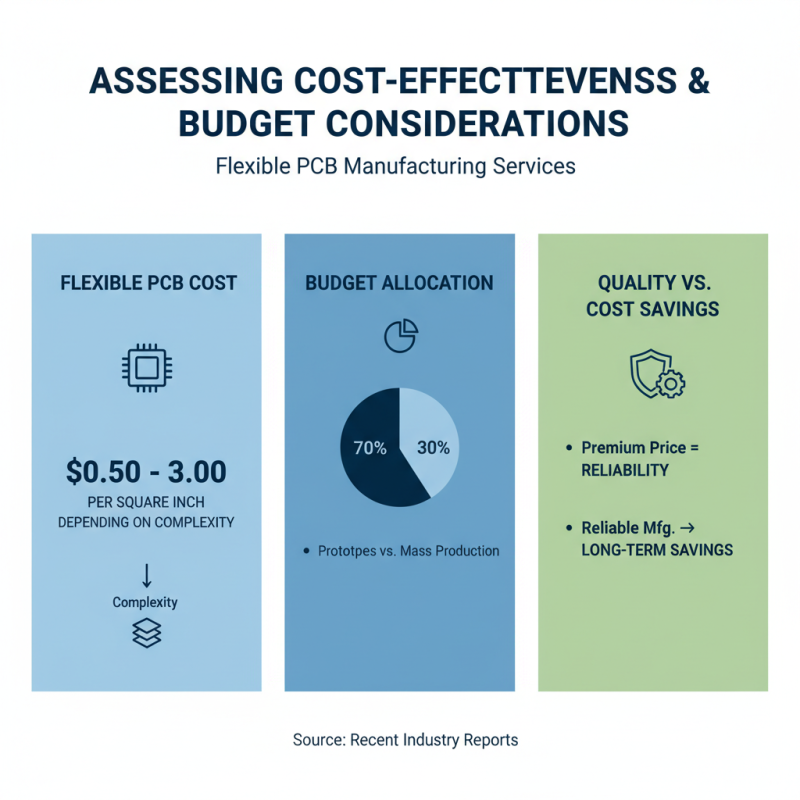
When choosing a flexible PCB manufacturing service, assessing cost-effectiveness is crucial. Recent reports indicate that flexible PCBs can cost anywhere from $0.50 to $3.00 per square inch, depending on complexity. It's essential to evaluate how much of your budget is allocated to prototypes versus mass production. High-quality services may charge a premium but can often save costs in the long run through reliable manufacturing.
Budget considerations should encompass more than just unit costs. Hidden expenses, such as tooling fees or shipping costs, add up quickly. According to industry experts, about 30% of total project costs can emerge from these hidden areas. Additionally, employing a tiered pricing structure can help in understanding volume discounts. Making these evaluations helps in avoiding overspending and ensures informed decision-making.
A supplier's communication and transparency regarding costs are key. Some manufacturers may not clearly outline their pricing structure, leading to unexpected billings. Engaging with providers who offer detailed quotes and have a track record of customer satisfaction can mitigate risks. Moreover, thorough research and comparison can be beneficial; however, remember that the cheapest option may not always provide the best value. Investing in quality manufacturing often leads to better performance and reliability, which can ultimately save money over time.
Reviewing Customer Feedback and Manufacturer Reputation
When selecting a flexible PCB manufacturing service, customer feedback is invaluable. According to a recent industry report, 70% of clients choose manufacturers based on positive reviews. Testimonials can reveal the quality and reliability of a service. Look for companies that have maintained a consistent record of high customer satisfaction.
Manufacturer reputation plays a vital role too. Research firms report that companies with strong brand recognition often leverage advanced technology and skilled workforce. The correlation between experience and quality is significant. However, it's essential to be cautious. Some businesses may prioritize marketing over manufacturing capabilities. Scrutinizing reviews only provides part of the picture.
Tips: Verify the source of customer feedback. Authentic reviews often emerge from trusted industry forums or professional platforms. Compare multiple reviews to detect any inconsistencies. Reach out to previous clients for direct insights. This strategy reduces the risk of biased information. Additionally, examining case studies can provide a clearer perspective on a manufacturer’s expertise.
It’s easy to overlook the nuances in feedback while focusing on ratings. A rating of four stars can hide serious failures. Consider not just the scores, but the stories behind them. A nuanced understanding brings a clearer picture of the manufacturer’s overall reliability and performance.