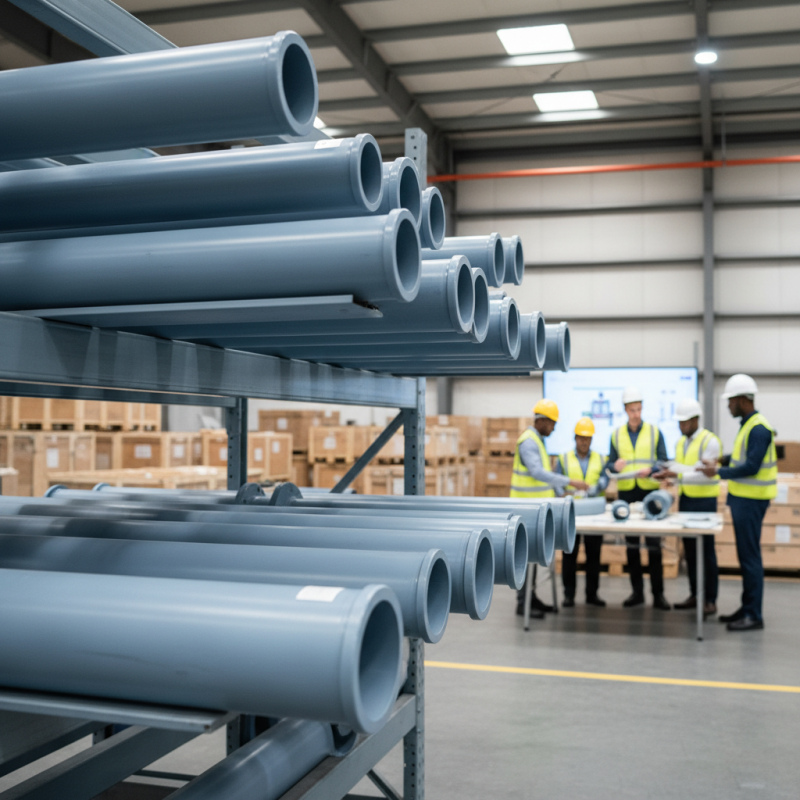
Top Tips for Choosing Cast Nylon Pipe for Global Procurement
Choosing the right materials for industrial applications is crucial. One such material that stands out is the Cast Nylon Pipe. It is known for its strength and durability. However, making a decision requires careful consideration.
When it comes to global procurement, quality matters. Not all Cast Nylon Pipes are created equal. Variations in manufacturing processes can affect performance. Understanding these differences is vital for procurement teams.
It’s important to evaluate suppliers based on their reputation. Experienced suppliers often provide more reliable products. Don't rush your decision. Take the time to analyze technical specifications and certifications. This will ensure that you invest in the best Cast Nylon Pipe for your needs. Always be prepared to ask questions and seek expert advice.
Understanding Cast Nylon Pipe and Its Applications
Cast nylon pipe is known for its durability and versatility. It's an ideal choice for various applications, especially in industries requiring strong and lightweight materials. This type of nylon is produced through a casting process, enhancing its structural integrity and wear resistance. As a result, it is suitable for transporting fluids, chemicals, and even for structural components in machinery.
Understanding its applications is crucial when choosing cast nylon pipe. Industries such as automotive, food processing, and pharmaceuticals frequently utilize cast nylon due to its non-corrosive nature. Its resistance to impact and abrasion makes it a reliable material in harsh environments. However, selecting the right size and specification can be tricky. You may find a few suppliers offer limited options, leading to a potential mismatch with your requirements.
Furthermore, the environmental impact of production processes needs consideration. While cast nylon can be a long-lasting solution, awareness of sustainability practices is essential. Engaging with manufacturers about their environmental policies can help you make a more informed decision. In some cases, exploring alternative materials may offer solutions that align better with your sustainability goals.
Key Factors to Consider in Material Selection
When selecting cast nylon pipe for global procurement, material choice is crucial. Understanding the material's properties can guide effective decision-making. Cast nylon is known for its strength and durability, but not all formulations are equal. For example, consider factors like tensile strength or temperature resistance. These aspects can greatly affect the performance in specific applications.
It's essential to assess the environment where the pipe will function. High-impact areas may need tougher grades of nylon. Meanwhile, exposure to chemicals or UV may weaken some types. Testing under actual operational conditions is vital. It provides insight into how the material will hold up over time.
Another tip is to consult with experts in material science. Their practical experience can help identify the right type of cast nylon for your needs. Supplier recommendations can vary widely. It's necessary to evaluate their expertise and reliability. This journey may show the imperfections in our decision-making processes. Reflecting on these choices helps refine future selections.
Evaluating Supplier Credentials and Manufacturing Processes
When selecting a supplier for cast nylon pipe, evaluating credentials is crucial. A supplier should demonstrate compliance with industry standards. According to a report by the American Society for Testing and Materials (ASTM), more than 70% of defects in cast nylon products arise from inadequate manufacturer quality control processes. This highlights the need for thorough supplier vetting.
Manufacturing processes must be scrutinized closely. Suppliers should disclose their production methods, including raw material sourcing and machining techniques. Data from the Plastics Industry Association indicates that improper handling during fabrication can lead to significant variations in product performance. Requesting documentation of these processes can help ensure reliability.
It's important to keep an open mind during this evaluation. Many suppliers may present idealized data but fail to deliver consistency over time. Building relationships with manufacturers that prioritize transparency can reduce future risks. Continuous assessment of supplier performance is essential to ensure quality standards are met consistently.
Cast Nylon Pipe Procurement Evaluation Metrics
Assessing Cost-Effectiveness for Global Procurement
When assessing the cost-effectiveness of cast nylon pipe for global procurement, one must consider various factors. Material quality is critical. Cast nylon offers durability and resistance to abrasion, which can translate to longer service life. However, lower initial costs might compromise quality. Balancing immediate expenses with long-term savings is essential.
Another factor to evaluate is supplier reliability. A reputable supplier may charge more upfront but can ensure better consistency and fewer failures. Conversely, cheaper options may lead to unexpected delays and increased maintenance costs down the line. Understanding local market trends can aid in making informed decisions.
Lastly, always factor in hidden costs. Transportation, potential tariffs, and packaging can significantly impact overall expenses. Sometimes, a bargain price can conceal additional charges that erode savings. Transparency in pricing is crucial for an accurate evaluation. This process requires careful thought and a willingness to re-evaluate initial assumptions.
Top Tips for Choosing Cast Nylon Pipe for Global Procurement - Assessing Cost-Effectiveness for Global Procurement
| Criteria | Details | Cost-Effectiveness Rating (1-5) |
| Material Quality | High durability and resistance to wear | 5 |
| Supplier Reliability | Consistent delivery and product availability | 4 |
| Price Competitiveness | Cost comparisons with alternative materials | 3 |
| Technical Support | Availability of expertise during installation | 4 |
| Environmental Compliance | Meets necessary environmental regulations | 5 |
Sustainability and Environmental Impact of Cast Nylon Pipe
When considering cast nylon pipe, sustainability and environmental impact play a crucial role. Cast nylon is a material known for its strength and durability. However, the manufacturing process can have significant environmental repercussions. Understanding these details is essential for organizations committed to ethical practices.
The production of cast nylon involves energy-intensive processes which contribute to greenhouse gas emissions. Companies must evaluate their suppliers. It’s crucial to choose manufacturers who prioritize sustainable practices, such as using recycled materials. Some manufacturers are now implementing cleaner technologies to mitigate their environmental impact. This shift is promising, yet it doesn’t negate the need for further reflection on the industry's overall footprint.
End-of-life considerations also need attention. Cast nylon pipe can be challenging to recycle, leading to waste issues. It's vital for businesses to engage with suppliers on how to manage used materials effectively. This is an area that requires ongoing efforts and discussions. Prioritizing sustainability in procurement not only benefits the environment but may also enhance a company’s reputation. It’s a progressive step for those looking to lead responsibly in their sectors.