How to Choose HD Protective Film at the 139th Canton Fair?
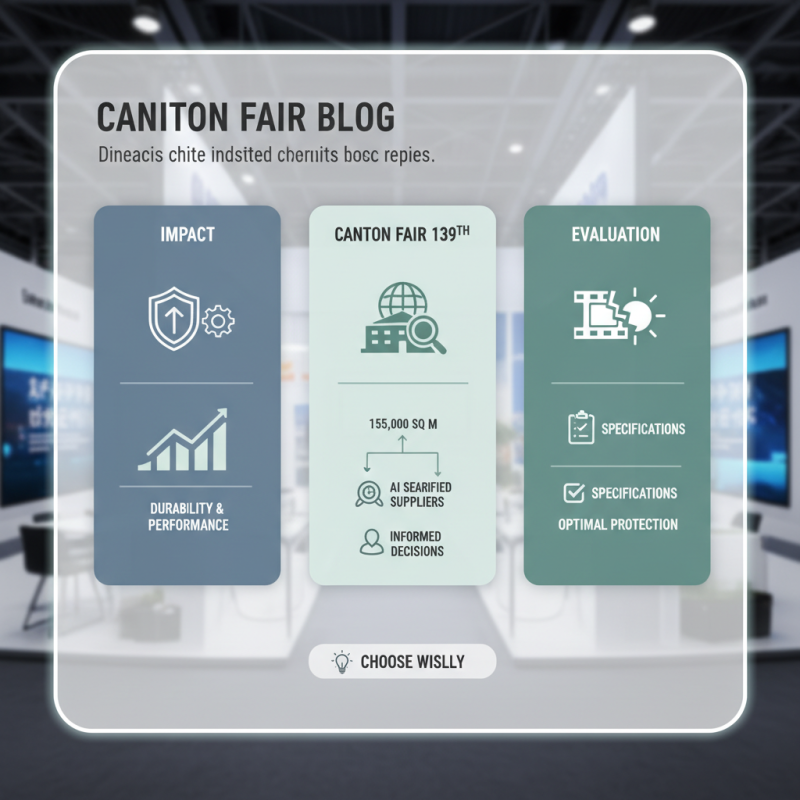
Choosing the right hd protective film can significantly impact product durability and performance. As industry expert John Smith stated, "A proper protective film can make all the difference." With the upcoming 139th Canton Fair, buyers have a unique opportunity to explore the latest trends in HD protective films.
Attendees can navigate through over 155,000 square meters of exhibition space, focusing on advanced manufacturing and electronics. The introduction of AI-powered search tools will help buyers identify suppliers with necessary certifications. This feature streamlines the selection process, allowing professionals to make informed decisions.
However, not all films are created equal. Some lack durability, while others fade quickly. It’s crucial to evaluate each film’s specifications before committing. A well-informed choice ensures optimal protection for products in various environments. The Canton Fair offers a chance to reflect on these factors and seek the best HD protective film solutions.
Understanding HD Protective Film: Key Features to Consider
When choosing HD protective film, it’s essential to evaluate several key features. Clarity is vital; a high-definition film should offer transparent visibility without distortion. Besides clarity, look for scratch resistance. A durable film can withstand daily wear and tear. It should also be easy to apply and remove, preventing bubbles or residue upon removal.
Moreover, consider the thickness of the film. A thicker film often provides better protection against impacts. However, too thick may hinder touch sensitivity. Ensure it’s compatible with various surfaces, from glass to plastic. Another detail to reflect on is the film's longevity. An inferior product may peel or discolor quickly, leading to frustration.
Also, think about how the film may affect your device's appearance. Some films add bulk or alter colors. This can be a dealbreaker for many users. Weigh the pros and cons of each option. Don't rush into a choice. Evaluating these features will help you find the right HD protective film for your needs.
Assessing Quality: How to Evaluate HD Protective Film Options
When attending the 139th Canton Fair, evaluating HD protective film options can be challenging. Start by examining the film's thickness. A thicker film often offers better protection. However, it might affect clarity. This trade-off needs careful consideration.
Next, check for clarity and transparency. High-definition films should not distort the underlying surface. Look for samples showcasing the film's appearance when installed. Pay attention to color accuracy and shine. It can fluctuate significantly among different products.
User feedback is essential. Seek out reviews from previous buyers. Sometimes, the glossy finish can attract fingerprints easily. This can be a downside for some users. Reflect on experiences to avoid common pitfalls. Engaging directly with suppliers can also provide valuable insights. Ask about the manufacturing process. It offers clues about the film's durability and reliability. Trust your instincts while assessing options, and don't hesitate to ask the hard questions.
Identifying Your Needs: Choosing the Right Type of HD Protective Film
Choosing the right HD protective film is essential for various applications. Assess your specific needs before making a decision. Start by determining the intended use. Are you protecting glass, electronics, or surfaces? Each use case may require different material properties.
Consider the thickness and durability of the film. Reports indicate that films with a thickness of 0.1 to 0.3 mm are generally adequate for most applications. However, if you anticipate heavy abrasion or environmental exposure, thicker films are advisable. Films that claim to resist scratches may not always live up to expectations.
Pay attention to clarity and adhesion. A mundane film can diminish visual appeal. Clarity ratings often indicate the film’s performance. According to industry data, high-quality films score 95% or higher on clarity tests. This matters in applications like transparent screens. Poor adhesion might lead to peeling and lifting. Always request samples to test performance before investing. Be mindful of your selection process, as improper choices can lead to costly mistakes and future regrets.
HD Protective Film Demand by Application Type
Comparing Suppliers: Tips for Finding Reliable HD Film Manufacturers
Finding reliable HD film manufacturers at the 139th Canton Fair requires careful consideration. The industry reports indicate a growing demand for protective films, projected to reach $2 billion by 2025. This surge means more suppliers, but not all are trustworthy.
Start by evaluating suppliers based on their production capacity. A supplier with a high output may indicate better reliability. However, larger doesn't always mean better. Some smaller manufacturers provide quality products at competitive prices. Investigate their previous projects and customer feedback. Many reports suggest that 70% of buyers prioritize quality over price.
Next, look for suppliers who adhere to international quality standards. Certifications like ISO 9001 are essential. Yet, some companies may present fake certifications, leading to doubts about their legitimacy. Don't hesitate to ask for samples to assess material quality. Review the clarity, thickness, and adherence properties. You might be surprised by the variability in quality even among certified manufacturers. Taking time to find a trustworthy supplier could yield better results in the long run.
Navigating the Canton Fair: Maximizing Your Search for HD Films
Navigating the 139th Canton Fair can be overwhelming, but focusing on HD protective films can streamline your search. Start by identifying your specific needs. Are you looking for durability or clarity? This decision shapes your choices as you explore various suppliers. Attending the fair provides immediate access to a multitude of options. You will see a variety of materials and finishes.
Be sure to ask questions when evaluating products. Many vendors offer samples, which are invaluable for assessing quality. It's essential to note how these films react under different conditions. For example, some may not perform well against scratches or heat. Take time to compare these aspects while talking to different suppliers.
However, it's easy to rush through selections. Avoid making quick decisions based solely on price. Sometimes, lower costs can lead to compromised quality. It's important to weigh the long-term benefits against initial savings. A reflective approach could save you from future regrets.