How to Choose the Right Concrete Production Batch Plants?
Choosing the right Concrete Production Batch Plants is crucial for any construction project. According to Dr. Emily Carter, a renowned expert in concrete technology, “Selecting the best batching plant ensures quality and efficiency in production.” With the variety of options available, making the right choice can be daunting.
Concrete Production Batch Plants vary significantly in size and capacity. Factors such as location, budget, and project requirements play a crucial role in decision-making. Each plant type has its strengths and weaknesses, making it essential to assess these aspects carefully. Many companies struggle to balance cost and quality, leading to potential delays and increased expenses.
Moreover, it is important to reflect on the long-term implications of your plant choice. An inadequate batching plant can lead to compromised material quality. It's vital to not rush the decision. Engaging with industry experts can provide insights that lead to a more informed choice. Investing time in research can ultimately save costs in the production process.
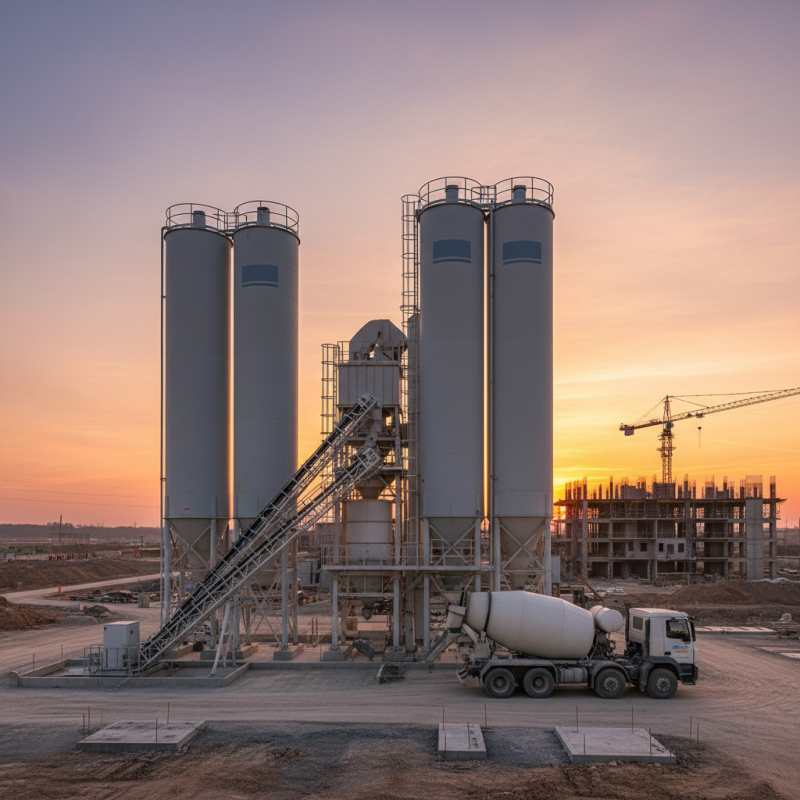
Factors to Consider When Choosing a Concrete Production Batch Plant
When choosing a concrete production batch plant, several factors demand attention. The local market needs and project scale are significant influencers. According to a report by the National Ready Mixed Concrete Association, 85% of the industry relies on local demand forecasts to guide production capacity. Location also matters. A plant near your supply sources and target market can lower transportation costs and improve delivery times.
The technology within the batch plant plays a crucial role. Modern plants often incorporate automation and real-time monitoring. A recent study highlights that automated systems can enhance efficiency by up to 30%. However, not every operation may benefit equally. Smaller companies might find the initial setup cost daunting, leading to a gap between aspiration and capability.
Another aspect is regulatory compliance. Depending on your region, environmental standards could significantly impact plant operations. Ensuring adherence to these standards is essential. Complex regulations can increase operational hurdles. It's important to evaluate if your team has the expertise to navigate these challenges. A careful examination of these elements can lead to an informed decision that fits operational needs while addressing potential pitfalls.
Understanding Different Types of Concrete Batch Plants Available
When selecting a concrete production batch plant, understanding the various types available is critical. There are primarily two categories: stationary and mobile. Stationary plants are designed for high capacity production, suitable for large projects. They offer efficiency and durability, making them ideal for contractors focused on volume. According to industry data, stationary plants can produce up to 300 cubic meters of concrete per hour, enhancing project timelines significantly.
Mobile batch plants, however, provide flexibility. They can be relocated easily, making them perfect for smaller projects or those that require movement. These units generally produce less concrete per hour but excel in environments needing adaptability. A report from the National Ready Mixed Concrete Association notes that portable plants have gained popularity, increasing market share by 25% in recent years.
**Tips:** Consider space and transportation needs when choosing a plant. Also, evaluate the amount of concrete necessary for your specific projects. Mobile plants could cut down logistics costs but remember they may sacrifice output volume. Always reflect on your project scope to ensure the plant aligns adequately with your requirements.
Evaluating Production Capacity Requirements for Your Projects
Choosing the right concrete production batch plant requires a detailed assessment of your project's production capacity needs. Industry reports indicate that the ideal production capacity often varies significantly based on project scale and local construction demands. For example, a small residential project might require a plant that produces around 30 cubic meters per hour, while larger commercial endeavors may need plants with a capacity of 100 cubic meters or more.
It's crucial to analyze future growth when selecting a batch plant. Many organizations fail to account for potential increases in project size, which can lead to bottlenecks. According to a recent study, nearly 40% of construction projects reported delays due to inadequate production capacity. Having a plant that meets current needs but also allows for scalability ensures that you don't face unexpected challenges.
The choice of equipment also plays a vital role in achieving optimal production. Many professionals recommend plants equipped with high-efficiency mixers. Studies show that choosing a high-output mixer can improve production rates by up to 15%. However, not all projects necessitate such advanced equipment. Some projects might benefit more from simpler setups that can be quickly assembled and transported, especially in remote locations.
Key Features and Technologies in Modern Batch Plants
Choosing the right concrete production batch plant involves assessing vital features and technologies. Modern batch plants must be efficient and reliable. Key features include advanced control systems. These systems automate mixing, ensuring consistency in every batch. Operators benefit from real-time monitoring and adjustments. This level of control enhances quality and reduces waste.
Another essential technology is the integration of environmentally friendly practices. Many plants now feature energy-efficient equipment. This reduces the carbon footprint during production. Additionally, some plants use recycled materials. This not only meets today’s sustainability demands but boosts resource efficiency.
However, not all features might suit every project's needs. Customization is crucial. A one-size-fits-all approach often leads to inefficiency. It's important to evaluate the specific requirements of each construction project. Reflecting on operational challenges can guide this choice better. Flexibility is key in optimizing production capacity.
How to Choose the Right Concrete Production Batch Plants? - Key Features and Technologies in Modern Batch Plants
| Feature | Description | Benefits |
| Automation | Automated systems for ingredient measurements and mixing processes. | Improved accuracy and reduced human error. |
| Batch Control Software | Integrated software for real-time monitoring and control of batch processes. | Enhances efficiency and allows for detailed reporting. |
| Flexible Configuration | Ability to configure the plant to meet specific production needs. | Accommodates diverse project requirements. |
| Material Handling Systems | Efficient systems for storing and transporting raw materials. | Minimizes waste and improves workflow. |
| Energy Efficiency | Technologies aimed at reducing energy consumption. | Lowers operational costs and environmental impact. |
| Quality Control Features | Systems in place to ensure the quality of concrete mixtures. | Ensures compliance with standards and client specifications. |
Assessing Budget and Maintenance Costs for Batch Plant Operations
Choosing the right concrete production batch plant involves careful assessment of budget and maintenance costs. According to recent industry reports, maintenance costs can account for around 15% to 20% of a plant’s annual budget. This means adequate planning is crucial for sustainable operations.
Maintenance becomes critical for several reasons. An efficient plant can significantly lower production costs and enhance output. In fact, the National Ready Mixed Concrete Association (NRMCA) states that well-maintained equipment can improve productivity by up to 30%. However, neglecting maintenance can lead to costly repairs and downtimes, sometimes exceeding maintenance budgets.
Tips: Regularly schedule equipment inspections. This proactive approach can prevent unexpected failures. Also, consider the total cost of ownership, not just initial investments. Evaluate consumable parts, energy efficiency, and potential upgrade costs. Understand that initial savings from low-cost plants might hide future expenses.
When planning your budget, think carefully about each component. Components like mixers, silos, and control systems have different lifespans and operational costs. Investing in quality equipment pays off in the long run. Aim for a balance between upfront costs and long-term reliability. Remember, cheaper options may lead to higher costs later due to repairs and inefficiencies.