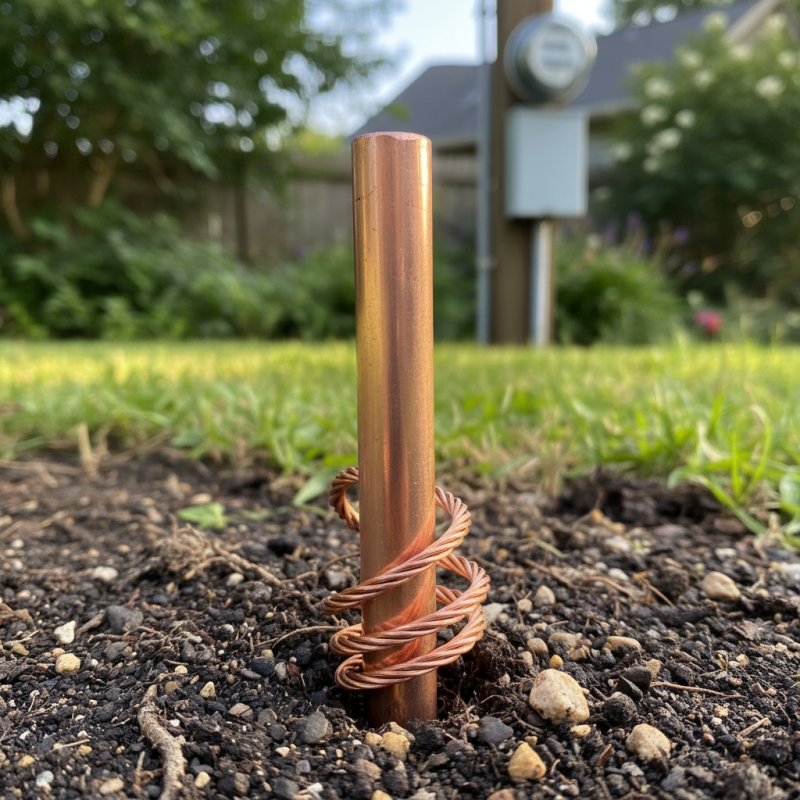
How to Choose the Best Ground Rod Copper for Your Needs?
Choosing the right Ground Rod Copper is essential for effective electrical grounding. Ground rods are crucial for safety in electrical systems. They provide a pathway for excess electricity to dissipate safely into the ground.
When selecting Ground Rod Copper, consider factors like conductivity and durability. Copper rods offer excellent conductivity and corrosion resistance. However, not every copper rod is the same. Some may lack the quality needed for long-term performance. Investigating the specifications is key to making the right choice.
Many people overlook the importance of installation as well. Proper installation enhances the rod's effectiveness. A poorly installed rod may not perform well, leading to safety risks. Reflecting on these choices is vital. Ground Rod Copper is an investment in safety and reliability for your electrical systems.
Understanding the Importance of Ground Rods in Electrical Systems
Ground rods are essential components in electrical systems. They provide a safe path for excess electricity to dissipate into the earth. This prevents damage to equipment and reduces the risk of electrical shock. Proper grounding also enhances the overall safety and efficiency of electrical systems.
Choosing the right ground rod, particularly copper, is crucial. Copper rods offer excellent conductivity and resistance to corrosion. However, not all copper rods are created equal. Factors like thickness and length should be considered. A thicker rod can provide better grounding but may be harder to install.
Often, users overlook the installation process. Proper installation is key to ensuring effectiveness. Rods should be driven deep into the ground for optimal contact. In some cases, soil type and moisture levels can affect performance. Ignoring these details can lead to ineffective grounding that might compromise safety. Reflecting on the installation methods can help improve outcomes.
Types of Copper Ground Rods and Their Applications
When selecting a copper ground rod, understanding the different types is crucial. There are mainly two types: solid copper rods and copper-clad steel rods. Solid Copper Rods are fully made of copper, offering excellent conductivity and longevity. They resist corrosion effectively, which is vital in conductive applications. Conversely, copper-clad steel rods have a steel core, coated with copper. This type is generally more cost-effective, but may not offer the same level of conductivity.
Applications vary widely. Solid copper rods are preferred in sensitive electrical setups, such as communication and data centers. A report by the Institute of Electrical and Electronics Engineers states that grounding systems can reduce lightning damage by up to 80%. On the other hand, copper-clad steel rods are often used in commercial settings, like construction sites, where installation cost efficiency is vital.
Choosing the right type hinges on the specific requirements of your project. Not all ground rods are equal; efficiency and safety may suffer if the wrong rod is used. An assessment of your electrical demands and environmental factors should guide your choice. Awareness of the limitations of each type ensures better performance and reliability.
Key Factors to Consider When Selecting a Ground Rod
Selecting the right ground rod copper is essential for effective grounding. Key factors influence your decision. Material quality plays a significant role. Copper offers excellent conductivity and lifespan. Copper ground rods resist corrosion, making them ideal for various environments.
Consider the length and diameter of the rod. Longer rods provide better grounding in high-resistance soils. Standard diameters range between 5/8 inch to 1 inch. Remember, thicker rods can be more durable, but may also be harder to install.
Tip: Always check local codes for grounding requirements. Every installation site varies. Soil type, moisture levels, and climate can impact performance. Assess your area before making a choice. Investing time in research ensures effective grounding for your electrical system.
Evaluating Quality and Specifications of Copper Ground Rods
When selecting a copper ground rod, it's essential to evaluate the quality and specifications carefully. A copper ground rod's effectiveness hinges on its conductivity, corrosion resistance, and durability. Look for rods made from high-purity copper. This type guarantees optimal performance in grounding applications.
Consider the length and diameter of the ground rod. A longer rod will offer better conductivity, especially in sandy or loose soil. Ensure it meets local electrical codes. Thickness matters too; a thicker rod is often more durable, providing longevity in harsh conditions.
Tips: Check for certifications or standards compliance before purchase. This step confirms the rod's reliability. Don't settle for the first option you see. Compare various products to determine the best fit for your needs. Understanding your soil type can also aid in making informed decisions. Each environment poses different challenges that can affect grounding efficiency.
Installation Tips for Optimal Performance of Ground Rods
When installing ground rods, proper techniques ensure that they function effectively. Choose a location that is damp and free from rocks. This enhances conductivity. Use a digging bar or auger to create a hole that accommodates the rod. The depth should be at least eight feet in most areas. This allows the rod to reach the moist soil where its grounding potential is maximized.
While driving the rod into the ground, make sure to maintain a vertical angle. A slanted rod can hinder optimal performance. After installation, connect the grounding wire securely to prevent corrosion. Inspect the connections periodically for wear. This can prevent future electrical issues.
Always consider local electrical codes. They provide guidelines for grounding systems in your area. Not adhering to these can cause safety problems. Grounding rods should be tested after installation to ensure effectiveness. Remember that conditions may change over time, so a reevaluation every few years is wise. Being mindful of these details will result in a more reliable grounding system.