How to Choose the Best Home Elevator for Your Needs?
Choosing the right Home Elevator involves careful consideration. The demand for home elevators is rising. According to a report by MarketsandMarkets, the global home elevator market is expected to reach $3.6 billion by 2025. This growth reflects a shift towards making homes more accessible.
Industry expert, John Smith, a leading figure in home elevator design, once stated, “Selecting a home elevator is more than just functionality; it’s about enhancing your lifestyle.” Home elevators now come in various styles. From traditional to modern designs, each option offers unique benefits.
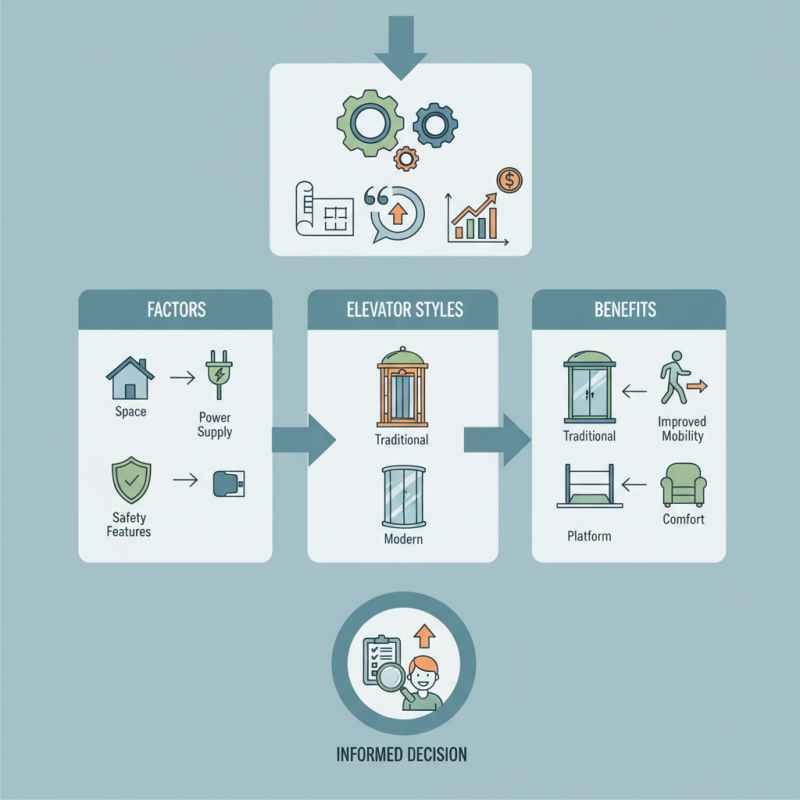
Yet, not all elevators suit every home or need. Some homeowners may overlook crucial factors like space, power supply, or safety features. It’s essential to reflect on these elements to avoid potential issues. The right choice can improve mobility and comfort, while a poor choice may lead to frustration. Making an informed decision is vital in this growing market.
Understanding Your Home Accessibility Needs
When considering a home elevator, understanding your accessibility needs is essential. Many people underestimate the importance of a well-chosen elevator. It can enhance mobility for seniors and those with disabilities. Assessing the layout of your home is a good start. Identify the floors you need access to. Think about who will use the elevator most often. Will it be for family or guests?
Next, consider the space available for installation. Elevators come in different sizes and types. Some require more room for machinery than others. A smaller model might fit better in a cozy home. But can you sacrifice comfort for space? It’s a balance that requires careful thought.
Don’t forget about your lifestyle. Do you have frequent visitors? Will a larger elevator improve their experience? Maybe you have heavy items to transport between floors. Reflecting on these questions is crucial. Embrace the imperfections in your home setup. Often, the best choice isn't about luxury but practicality. Finding the right elevator is not just a choice; it’s a path to better everyday living.
Evaluating Different Types of Home Elevators
When evaluating different types of home elevators, it’s essential to consider the space you have. Some models are compact and fit into tight corners, while others require more room for installation. Explore options like hydraulic elevators, which are popular for their smooth ride. However, they may need more maintenance over time.
Another option is vacuum elevators, which utilize air pressure for movement. These require less space and are aesthetically pleasing. But installation can be complex. Costs can vary significantly between types, which may affect your choice. A more affordable model might not include features you desire.
Consider usage patterns as well. Will it carry heavy loads often, or just a person? Think about the décor too. You want an elevator that complements your home. Sometimes, the sleekest design might compromise functionality. It’s important to reflect on your unique needs. Do thorough research before making a decision.
Key Features to Consider When Choosing an Elevator
When selecting a home elevator, consider key features that will fit your needs. Look for safety features such as emergency brakes and backup power systems. According to a recent industry report, over 30% of homeowners rank safety as their top priority. Speed and travel distance also matter. Assess how quickly the elevator can transport you and how far it must travel within your home.
Tips for choosing the right elevator:
- Measure the space accurately.
- Think about the number of floors you need to access.
- Evaluate the weight capacity based on your family's requirements.
Another critical aspect is maintenance. Regular checks can ensure your elevator operates smoothly. A study indicates that maintenance can extend the lifespan of an elevator by 20%. Be mindful of installation and upkeep costs; they can vary widely. A poorly chosen elevator may lead to higher repairs and dissatisfaction. Make sure you weigh all options carefully before making a decision.
Home Elevator Features Comparison
This chart compares the key features of standard and luxury home elevators. It provides insights on weight capacity, speed, noise level, installation cost, and maintenance cost for better decision-making when selecting a home elevator.
Assessing Budget and Installation Costs
Choosing a home elevator involves various factors, particularly budget and installation costs. A report from the National Association of Elevator Contractors states that residential elevator prices typically range from $20,000 to $60,000. This wide range depends on features, capacity, and design. Additionally, installation can add another $5,000 to $15,000 to the overall cost. With such a significant investment, it is crucial to assess your financial situation carefully.
Consider the specific needs of your home. Will the elevator serve multiple floors? What is its weight capacity? These questions influence both the type and cost of the elevator. Installation costs can vary by location. In urban areas, fees may be higher due to regulations and technical requirements. Always check local building codes before deciding.
Tips: Determine your budget early on. Prioritize key features that enhance convenience. Research financing options if the upfront cost seems overwhelming. Additionally, it can be beneficial to obtain multiple quotes for installation. However, beware of offers that seem too good to be true. They may not include all essential features or hidden costs.
Maintenance and Safety Considerations for Home Elevators
When considering a home elevator, maintenance and safety should be top priorities. Regular inspections are crucial. They can catch potential issues early. Many homeowners overlook this aspect. Neglecting maintenance can lead to safety hazards. A well-maintained elevator will last longer and function better. It’s important to establish a routine check-up schedule. This helps ensure that your elevator is safe to use.
Safety features are essential in any elevator design. Look for features such as emergency stop buttons and backup power systems. These elements can make a huge difference in emergencies. Operators should also be trained in safety protocols. Accidents can happen if users are unaware of proper usage. Simple mistakes can lead to serious consequences.
Consider the environment where the elevator will be installed. Is there enough space? Are the floors level? These details matter. Irregularities can complicate installation and affect safety. Understanding your home’s layout is key. Be prepared for some unexpected challenges along the way. Addressing these concerns proactively makes a big difference.
How to Choose the Best Home Elevator for Your Needs? - Maintenance and Safety Considerations for Home Elevators
| Feature | Considerations | Maintenance Tips | Safety Standards |
| Size and Capacity | Evaluate space requirements and weight limits. | Regular inspections and cleaning of mechanical parts. | Ensure compliance with local building codes and regulations. |
| Type of Elevator | Choose between hydraulic, pneumatic, or electric models. | Lubricate moving parts and check for wear and tear. | Install emergency stop buttons and alarms. |
| Installation Requirements | Consult professionals for structural support needs. | Schedule assessments with a certified technician. | Follow manufacturer installation requirements strictly. |
| Cost | Consider both purchase price and long-term operational costs. | Budget for annual maintenance contracts. | Check for warranty and insurance specifications. |
| Aesthetics | Choose design that complements home decor. | Clean and polish finishes to maintain look. | Ensure all finishes meet safety materials standards. |