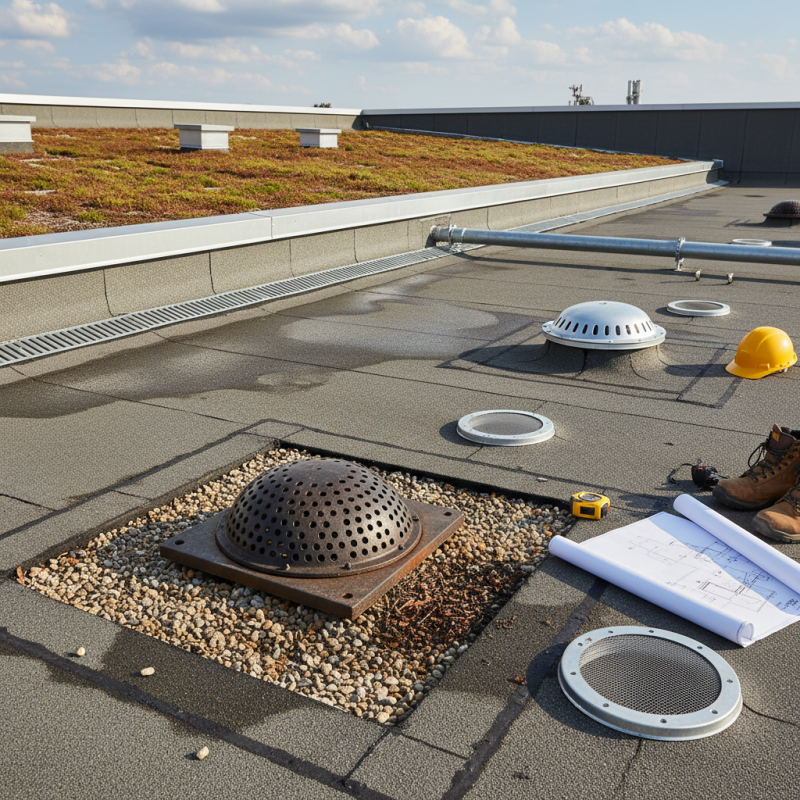
How to Choose the Best Roof Drains for Your Projects?
Choosing the right Roof Drains is crucial for effective water management in any construction project. Roof drains play a vital role in preventing water accumulation. Proper drainage ensures the longevity of roofs and reduces structural damage.
Different roof types require specific drain designs. Understanding the unique needs of your project is important. This knowledge helps in selecting the most suitable options. Factors to consider include roof size, slope, and potential debris collection.
Selecting roof drains can be complex. Professional guidance may be necessary to navigate various options. While some solutions may be cost-effective, they may not perform well in the long run. It's essential to balance budget and functionality. A thoughtful choice will enhance the reliability of your drainage system.
Types of Roof Drains: A Comprehensive Overview
When selecting a roof drain, understanding the different types available is crucial. Roof drains come in various designs, each suited to specific environments. Common types include internal drains, scupper drains, and overflows. Internal drains are typically used in flat roofs, channeling water directly into the building's drainage system. Scupper drains are more suitable for sloped roofs, allowing water to flow off the edge. Understanding the specific needs of your project will guide your choice.
Tips: Consider the climate in your area. Heavy rainfall will require more efficient drains. Always check the capacity of the drain to ensure it can handle potential downpours.
Another important factor is the drain material. Some materials, like PVC and copper, offer different durability levels. While PVC is lightweight and resistant to corrosion, copper is incredibly strong but can be expensive. Choose based on budget and project longevity.
Tips: Inspect existing systems to gauge performance before installation. Sometimes, older materials may leak or crack, necessitating replacements. This can save you from future issues. Always think critically about what works best for your unique project needs.
Factors to Consider When Selecting Roof Drains
When selecting roof drains, several factors influence your decision. The most critical aspect is the type of roof. Different roofing systems require specific drainage solutions. A flat roof may need a different drain style than a sloped one. According to the National Roofing Contractors Association, proper drainage is vital to extend roof life and prevent water accumulation.
Another factor is the drainage capacity. Roof size and rainfall intensity should guide your choice. Calculate drainage needs using the roof area and anticipated rainfall data. The American Society of Civil Engineers suggests that roof drains must handle a minimum of 0.1 inches of rainfall per hour. This capacity helps avoid flooding and protects structural integrity.
Material choice is also crucial. Common options include cast iron, PVC, and copper. Each material has distinct benefits and drawbacks. For instance, while cast iron is durable, it may be prone to corrosion. Reflecting on the maintenance needs for each material is essential. Selecting the right roof drain involves thoughtful consideration of these variables to ensure long-term performance.
Sizing and Flow Rate Calculations for Roof Drains
When selecting roof drains, sizing and flow rate calculations are crucial. Proper sizing ensures efficient drainage, preventing water accumulation. According to the American Society of Civil Engineers, a floor area of 1,000 square feet typically requires a drain with a minimum flow capacity of 2.5 gallons per minute (gpm). However, this may vary based on local rainfall data and the specific roof design.
The flow rate is influenced by factors such as roof slope and drainage design. Flat roofs may need larger drains, as water can gather without proper incline. Engineers often recommend a 1% slope to facilitate drainage. Additionally, the National Roofing Contractors Association notes that heavy rainfall areas should use drains rated for higher flow capacities. Testing calculations can help ensure the chosen drain meets these needs, but complexities often arise.
It's important not to overlook these aspects during the planning phase. A miscalculation can lead to excess water on the roof. This may jeopardize the integrity of the building structure and lead to costly repairs. Consulting with a roofing professional can clarify these requirements, potentially improving long-term outcomes.
Material Options for Roof Drain Construction
When selecting materials for roof drain construction, understanding your options is crucial. Common materials include stainless steel, PVC, and cast iron. According to data from the National Roofing Contractors Association, stainless steel is favored for its durability and corrosion resistance. These properties are essential in areas with heavy rainfall or frequent freeze-thaw cycles.
PVC, while lightweight and cost-effective, may not always withstand harsh weather conditions. It is essential to consider the local climate when choosing this material. Cast iron offers excellent durability but can be more expensive. Ensure that you assess the long-term performance and maintenance requirements of each option.
Tips: Always consult local building codes before making a decision. Testing materials in specific climates can improve project outcomes. Investing in proper drains can save costs in the future by reducing water damage risks. Consider performing a thorough inspection of existing drainage systems to identify potential issues before installation. These steps will enhance the reliability of your roof drain system.
How to Choose the Best Roof Drains for Your Projects? - Material Options for Roof Drain Construction
| Material | Durability | Installation Ease | Cost | Maintenance |
| PVC | Good | Easy | Low | Low |
| Cast Iron | Very Good | Moderate | High | Medium |
| Aluminum | Good | Easy | Moderate | Low |
| Stainless Steel | Excellent | Moderate | High | Very Low |
| Copper | Excellent | Difficult | Very High | Medium |
Maintenance Tips for Efficient Roof Drain Performance
Efficient roof drains are essential for preventing water accumulation and damage. Regular maintenance can enhance performance and longevity. According to industry data, properly maintained drains can reduce roof leaks by 70%. Here are some crucial maintenance tips to ensure efficient drainage.
First, inspect your roof drains regularly. Remove debris such as leaves and dirt. Blockages can lead to water pooling, increasing wear and tear. Each inspection should ideally happen at the beginning of every season. This routine helps identify potential issues early.
Additionally, clear downspouts and test drainage flow. Low-flow rates may indicate clogs deeper in the system. Using a hose to flush drains can help dislodge any hidden debris. If flow issues persist, consult a professional for a thorough check-up.
Lastly, consider seasonal adjustments. Harsh weather can affect drain efficiency. Invest time in preparing your drainage system before storms. Small steps in maintenance ensure a longer lifespan and fewer repairs later on.