How to Choose the Best Threaded Ball for Your Needs?
Choosing the right Threaded Ball can significantly impact the success of your projects. Various factors influence this decision. Understanding these factors is essential for making an informed choice.
A good Threaded Ball should match your specific needs. Consider the size, material, and thread type. These elements vary widely across different applications. It’s easy to overlook the importance of choosing the right one. However, a mismatch can lead to inefficiencies, wasted time, or potential failures.
Take time to research options and consult experts in the field. Their insights can help clarify your choices. Don't hesitate to seek advice from professionals who understand Threaded Balls. Your project's success may depend on this small but crucial part. Reflect on your needs, and don’t rush the decision.
Understanding Different Types of Threaded Balls Available in the Market
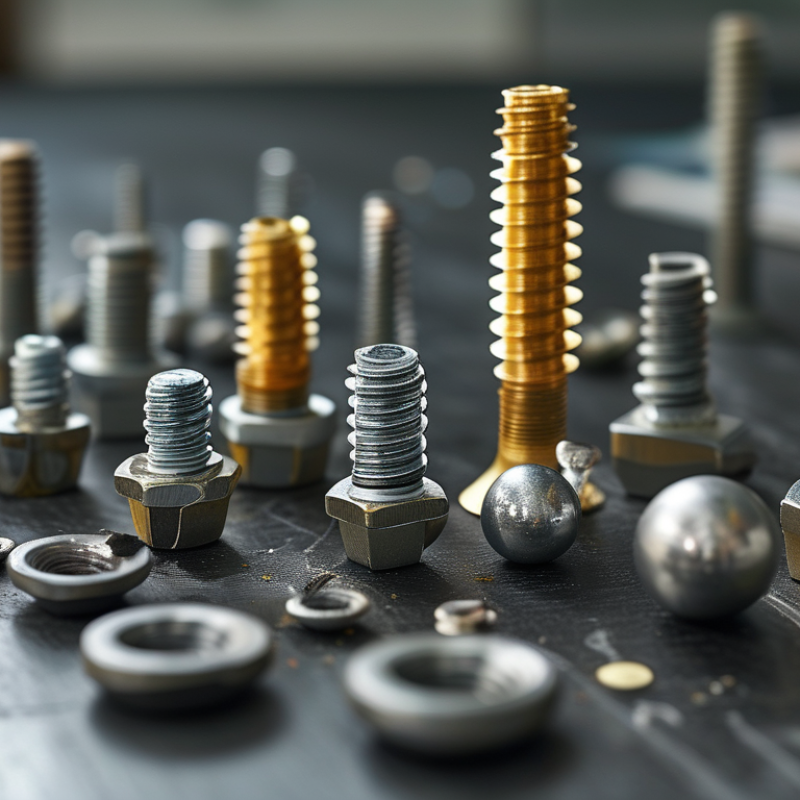
When looking for a threaded ball, it's essential to understand the various types available. Threaded balls come in different materials, such as metal, plastic, and rubber. Each material offers distinct advantages, depending on your specific needs. Metal options provide strength and durability. In contrast, plastic is often lighter and more affordable.
Another crucial factor is the thread size and type. Unified National Thread (UNC) and Metric threads represent the most common standards. Knowing your requirements is vital for compatibility. Sometimes, you might find the perfect size but not the suitable material. This mismatch can lead to issues down the road.
Consider where the threaded ball will be used. Indoor applications may require different characteristics than outdoor ones. For instance, outdoor uses may necessitate weather-resistant features. It's important to reflect on your environment and how it affects the longevity of the threaded ball. Making an informed decision ensures that what seems perfect now won't become a problem later.
Assessing Material Strength and Durability for Threaded Balls
When selecting a threaded ball, assessing material strength and durability is crucial. Different applications demand varying degrees of toughness. For instance, a report from the International Standard Organization suggests that steel balls can withstand significant loads, making them suitable for heavy machinery. However, they may corrode over time if not properly treated.
Materials like nylon or polypropylene provide a lighter option. These plastics often demonstrate good resistance to chemicals, which can be advantageous in corrosive environments. Yet, their tensile strength typically falls short compared to metals. A study from the Engineering Materials Journal highlights that while plastic threaded balls weigh less, they may deform under high stress.
Understanding the specific application can guide your decision. It's essential to weigh durability against performance requirements. An improperly chosen threaded ball can lead to equipment failure. Industry experts recommend conducting a detailed analysis of the working conditions. Factors such as temperature, pressure, and exposure to chemicals all play a role. Balancing these elements will lead to better outcomes in material selection.
How to Choose the Best Threaded Ball for Your Needs? - Assessing Material Strength and Durability for Threaded Balls
| Material | Strength (MPa) | Durability (Cycles) | Weight (g) | Cost ($) |
| Stainless Steel | 500 | 100000 | 75 | 5.00 |
| Aluminum Alloy | 300 | 75000 | 50 | 3.50 |
| Carbon Steel | 450 | 90000 | 80 | 4.25 |
| Brass | 250 | 50000 | 40 | 2.75 |
| Plastic Composite | 150 | 30000 | 30 | 1.50 |
Evaluating Size and Weight Considerations for Your Application
When selecting a threaded ball, size and weight are crucial factors. The diameter of the ball influences how it interacts with other components. A larger ball can better distribute weight and stress, ideal for heavy-duty applications. Smaller threaded balls may be more suited for lighter tasks. Knowing the right diameter ensures compatibility with existing equipment.
Weight affects both performance and handling. Heavier balls can provide stability, especially in dynamic environments. However, they may require more effort to maneuver. On the flip side, lightweight options are easy to handle but may sacrifice some stability. It's essential to consider the physical demands placed on the ball.
Each application has unique requirements. Testing different sizes and weights can help identify what works best for your needs. Observing how the ball performs in real scenarios brings valuable insights. Small adjustments can lead to significant improvements. Ultimately, experimenting and evaluating results fosters effective decision-making in this selection process.
Identifying Compatibility with Existing Equipment and Systems
When selecting a threaded ball, it's crucial to ensure compatibility with your existing equipment and systems. Many organizations overlook this essential step. According to industry reports, nearly 30% of equipment failures stem from mismatched components. Therefore, understanding specifications is vital.
Check the threading standard of your current systems. It could be metric or imperial. Cross-referencing these details helps prevent costly errors. Additionally, consider the load bearing capacity. The right ball should fit seamlessly into your applications, ensuring optimal performance. Weak connections can lead to significant downtimes and safety risks.
Tips: Always verify dimensions before purchasing. Request samples to test compatibility. Utilize tools like thread gauges for precise measurements. Remember, even minor discrepancies can lead to complications. If you're unsure, consult with experts in the field. Their insights can guide your decision-making process effectively. Compatibility is not just ideal; it's necessary for efficiency and safety.
Exploring Cost-Effective Options without Compromising Quality
When selecting a threaded ball, balancing cost and quality is crucial. Many options are available, but not all are created equal. A cheaper product may save money initially but could lead to performance issues. This is especially true in applications that demand precision. Investing in a reliable threaded ball often pays off in the long run through durability and reduced maintenance costs.
Evaluate your needs carefully. Consider the operating environment, load requirements, and tolerances. Sometimes, overlooked aspects, like the material used, can greatly impact the ball's performance. Stainless steel and carbon steel are common choices. They offer different advantages in terms of strength and corrosion resistance. Yet, the choice may also depend on your specific application conditions.
Do not rush into decisions. Gather insights from experienced users or seek advice from industry experts. Look for reviews and case studies. However, beware of bias—everyone's experience can differ. Identifying the right balance of cost and quality often requires trial and error. Keep track of your findings to refine your choice over time.
Cost-Effective Threaded Ball Options