Tips for Choosing the Right Chiller Series for Your Needs?
Choosing the right Chiller Series is crucial for operational efficiency. According to a recent report by MarketsandMarkets, the global chiller market is projected to reach $10.77 billion by 2025. This significant growth emphasizes the importance of selecting a suitable system for your specific needs. With various options available, decision-makers face a complex task in evaluating chiller series.
It's essential to consider the cooling capacity, energy efficiency, and maintenance requirements of different chiller models. The U.S. Department of Energy states that optimizing these factors can reduce energy consumption by up to 30%. However, many businesses overlook critical details, leading to improper selections that increase costs. A tailored approach can enhance system performance and longevity.
Reflecting on past choices may reveal gaps in understanding. Some industries have reported inefficiencies tied to misaligned chiller capacities. Therefore, it’s vital to assess your requirements carefully. Doing so can improve not only efficiency but also sustainability. Selecting the correct chiller series is not just a choice; it’s an investment in future success.
Understanding Different Types of Chiller Series Available in the Market
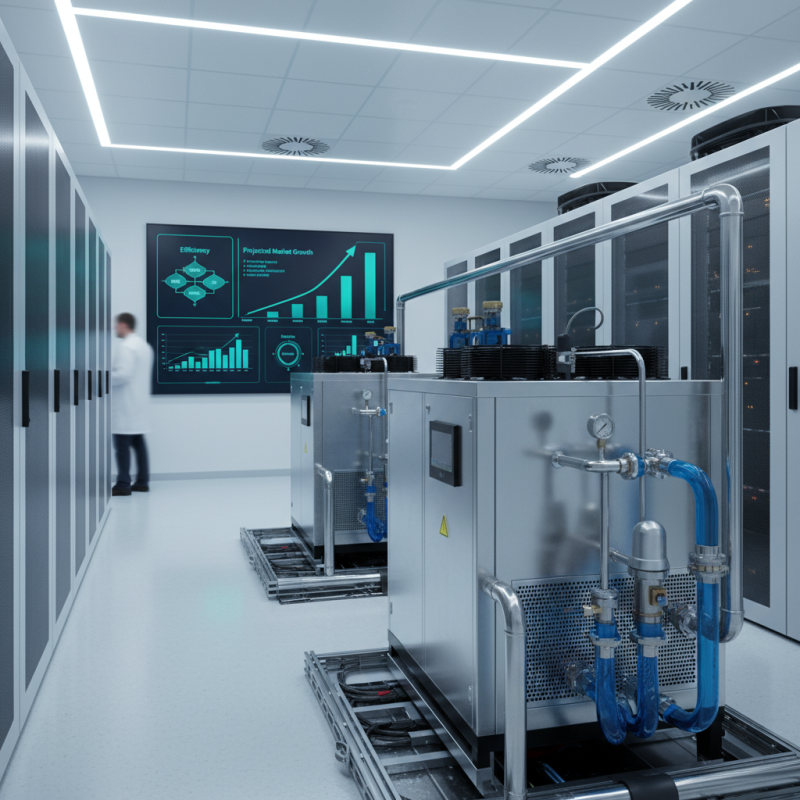
When selecting a chiller series, it's essential to understand the various options available in the market. Chillers come in several types, including air-cooled and water-cooled units. Air-cooled chillers are often easier to maintain and install. They use ambient air for cooling, making them ideal for smaller applications. On the other hand, water-cooled chillers typically provide more efficient cooling for larger operations. They utilize water as a heat exchange medium, which can be more effective in specific settings.
Another type to consider is the absorption chiller. This system relies on heat sources instead of mechanical compression. It may be suitable for facilities with surplus heat, such as industrial plants. However, absorption chillers can require a more significant upfront investment. Some users find them less intuitive to operate.
Then there's the compact chiller series. These units save space and are designed for tight installations. They often serve commercial environments where footprint is a concern.
It’s easy to get overwhelmed by these choices. Assessing your specific cooling needs is crucial. Factors like existing infrastructure, energy efficiency requirements, and budget all play a significant role. Without a clear understanding of your goals, you may end up with a system that doesn't meet your demands. It's wise to reflect on past cooling experiences before making a decision. Consider the feedback from your team as well.
Assessing Your Cooling Requirements and Capacity Needs
Choosing the right chiller series starts by assessing your cooling requirements. Three key factors play a role: the size of the space, the heat load, and the desired temperature. Measure the area you need to cool. Larger spaces often require high-capacity chillers. Insufficient capacity can lead to inefficiencies.
Next, consider the types of equipment in your space. Cooling sensitive machinery? Pay attention to stable temperature needs. Sometimes, this can be overlooked. Evaluate the amount of heat generated and the cooling needed to counterbalance it. Inadequate assessments might lead to over or under-sizing your chiller.
Finally, reflect on your long-term goals. Will your cooling needs grow? Do you plan to expand? Anticipating future needs can save costs later. However, it can be tricky to predict. The balance between current needs and potential growth is delicate. An accurate assessment helps in making informed decisions.
Evaluating Energy Efficiency and Operating Costs of Chillers
When selecting a chiller, energy efficiency and operating costs are crucial. According to the U.S. Department of Energy, chillers can account for up to 40% of a facility’s total energy use. Evaluating energy efficiency ratings, like the Integrated Part Load Value (IPLV), helps in making informed decisions. A higher IPLV indicates better efficiency, which can lead to significant savings over time.
Operating costs go beyond energy usage. Maintenance, repair, and water consumption also add up. The average annual maintenance cost for chillers can be around 10% of their purchase price. Poorly maintained units can increase energy consumption by 15% or more, leading to wasted resources. Regular checks can mitigate these costs.
It’s easy to overlook these details when choosing a chiller. Many focus solely on purchase price. However, the life cycle cost is more telling. Addressing efficiency from the start creates lasting benefits. Ignoring these aspects could mean regrettable operational expenses down the road. Consider not just initial investment, but the broader financial picture.
Energy Efficiency and Operating Costs of Different Chiller Series
Considering Space and Installation Requirements for Chiller Units
When selecting a chiller series, space and installation requirements play a crucial role. Assessing your available area is vital. Chillers can be bulky, and fitting them into tight spaces can be challenging. Measure the dimensions of the installation site carefully. Consider the height, width, and depth of the unit. Also, evaluate access for maintenance and repairs.
Proper airflow is essential for chiller operation. Ensure there is enough room around the unit for ventilation. This prevents overheating and prolongs the chiller’s life. Don't forget to check local building codes and regulations. Compliance helps avoid costly modifications later on.
Here are some tips: Choose chillers with adjustable features. These can better fit your specific installation needs. Think about future expansions too, as requirements may change over time. Often, we overlook the importance of planning ahead. Take time to consider your options thoroughly. A well-thought-out installation can save you headaches down the line.
Tips for Choosing the Right Chiller Series for Your Needs
| Chiller Type | Cooling Capacity (kW) | Space Requirement (m²) | Installation Type | Energy Efficiency |
| Air-Cooled Chiller | 100 | 20 | Outdoor | EER 3.5 |
| Water-Cooled Chiller | 150 | 25 | Indoor | EER 4.0 |
| Screw Chiller | 200 | 35 | Indoor/Outdoor | EER 4.2 |
| Scroll Chiller | 75 | 15 | Outdoor | EER 3.8 |
| Modular Chiller | 50 | 10 | Indoor | EER 4.5 |
Reviewing Maintenance and Support Services Offered by Manufacturers
When selecting a chiller series, maintenance and support services from manufacturers play a vital role. Regular maintenance can extend the lifespan of your chiller. It's important to evaluate what each manufacturer offers in this regard. Consider if their service includes routine checks and emergency repairs. Clear communication about service timing is essential. Does the manufacturer respond quickly to service calls?
Some companies provide comprehensive support packages. Others may not meet your expectations. It's crucial to read reviews and gather user feedback. A well-supported machine can minimize costly downtime. Check if the manufacturer offers training for your staff. Understanding operational protocols enhances efficiency and safety.
Warranty options are also important. You’ll want to know what is covered and for how long. Some warranties come with strict conditions that could be problematic later. Reflect on your long-term needs versus the initial cost. It might seem attractive to go with a provider that appears cheaper at first glance. However, consider potential repair expenses down the line. The right choice balances initial investment with reliable support.