How to Choose the Right Compact Wheel Loader for Your Needs?
When selecting the right Compact Wheel Loader, choices can feel overwhelming. Experts suggest careful consideration of specific needs. Jon Harrison, a leading expert in compact machinery, once stated, "The right compact wheel loader can transform your project efficiency." This rings true for many contractors and landscapers.
Compact wheel loaders have distinct advantages. They offer versatility, agility, and ease of use. These machines excel in tight spaces, making them ideal for urban construction and landscaping. However, not all loaders are created equal. Various models provide different lift capacities and engine power. It’s critical to assess your specific operational needs.
Think about the projects you tackle most often. Will a smaller loader suffice, or do you need more power? Each answer can influence your choice. A compact wheel loader may promise efficiency, but the wrong selection can lead to inefficiency and frustration. Reflect on your requirements to find the best fit.
Understanding the Basics of Compact Wheel Loaders
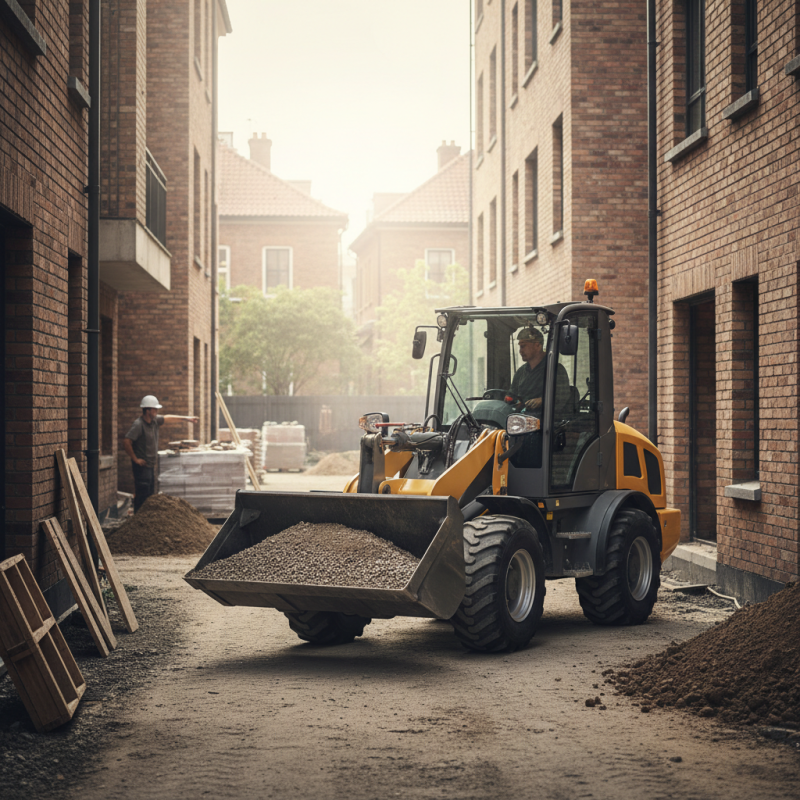
Compact wheel loaders are increasingly popular for various industries. Understanding their basics is crucial before making a purchase. These machines typically weigh between 4,000 to 10,000 pounds. They are versatile, suitable for landscaping, construction, and agriculture. According to a report by the Equipment Manufacturers Association, compact loaders can improve productivity by 15% compared to traditional machines.
The size of a compact wheel loader plays a significant role in its efficiency. A machine that is too large can lead to maneuverability issues, while one that is too small may struggle with heavier loads. Load capacity is key; most compact wheel loaders can lift between 1,200 and 3,500 pounds. Operators often find that getting the right balance between size and power is challenging.
Another essential factor is attachment compatibility. Many models offer a variety of attachments, increasing their usability. However, not all loaders are designed to work with every attachment. This inconsistency can require additional investment. A recent study by the National Association of Heavy Equipment Training Schools found that around 35% of operators misjudge their attachment needs, leading to suboptimal performance. Reflecting on these details can help clarify your requirements.
Assessing Your Specific Needs and Applications
When selecting a compact wheel loader, it's essential to assess your specific needs and applications. Consider the types of tasks you plan to perform. Do you need to lift heavy materials? Or is your focus on digging and grading? Analyzing the primary functions will guide your decision. For instance, if you frequently work in tight spaces, a smaller model may serve you better.
Pay attention to the loader's lifting capacity and horsepower. These features significantly affect performance. Think about the terrain you usually operate on, too. Is it rocky, muddy, or flat? Each environment demands different power and traction. Additionally, serviceability is crucial. You may find that some loaders require more frequent maintenance, impacting uptime.
Personal preferences matter. Some operators prioritize ease of use and comfort, while others focus solely on performance. Reflect on your experience level. A more complex loader might feel overwhelming for novices. Reassessing your priorities can lead to a better fit. If you're unsure, consulting industry experts can provide valuable insights.
Key Specifications to Consider When Choosing a Loader
Choosing the right compact wheel loader involves understanding key specifications. It’s essential to focus on aspects like horsepower, lift capacity, and operating weight. A loader with 60 horsepower can efficiently handle various tasks on compact job sites. Consider a model that can lift at least 1,500 pounds to cover most loading operations.
Tip: Always check the hydraulic flow rate. A higher flow rate allows for better attachment compatibility. Loaders with flow rates above 15 gallons per minute offer versatility. This enables you to easily switch between attachments, optimizing your work efficiency.
Another critical specification is the turning radius. A compact wheel loader should have a tight turning radius for enhanced maneuverability in narrow spaces. Look for models with a turning radius under 10 feet. This can significantly reduce the time spent repositioning.
Tip: Evaluate the loader’s visibility features. A machine with better sightlines can increase safety and productivity. After all, poor visibility can lead to costly mistakes or accidents. Consider these factors carefully to find the loader that truly meets your needs.
Evaluating Brand Reputation and Customer Support
When choosing a compact wheel loader, brand reputation is crucial. A loader is a significant investment, and you want a reliable partner. According to industry reports, 70% of buyers prioritize brand trust when making their decision. Solid customer support can make a difference during maintenance or unforeseen issues.
Tip: Research various brands and read customer reviews. Look for feedback on responsiveness and product quality. Engaging with online forums can also provide insights. Industry studies show that brands with robust support systems tend to retain customers better.
Another aspect to consider is warranty coverage. A comprehensive warranty reflects confidence in the product. Not all brands offer the same level of service. Some may provide less support, leaving customers frustrated later. This inconsistency can cost both time and money.
Tip: Don’t overlook after-sales service. Evaluate how brands handle parts availability and repairs. Check their history of customer satisfaction scores. Some companies excel in support, and it can impact your loader's long-term performance.
Comparing Costs and Financing Options for Your Loader
When considering the purchase of a compact wheel loader, understanding the costs and financing options is essential. Compact wheel loaders can range from $20,000 to $60,000, depending on size and features. Additional expenses, such as maintenance and insurance, also contribute to the overall budget. A recent industry report indicated that nearly 70% of small businesses finance their equipment purchases. With a variety of financing sources available, comparing options becomes critical.
Tips for financing include exploring loan options. Some lenders offer low-interest loans for construction equipment. Leasing can also be a viable alternative. It often requires less upfront cash and provides flexibility. Many contractors find that leasing allows them to upgrade equipment more frequently. However, it's essential to read the fine print. Unexpected fees may arise, leading to confusion and overspending.
Consider the total cost of ownership when budgeting. Factors such as fuel consumption and repair costs can significantly impact long-term expenses. An analysis showed that operational expenses often exceed the initial purchase price over time. Business owners must track these costs to make informed decisions. Balancing initial investments with future maintenance is crucial for success. An informed approach can lead to more effective use of resources and ultimately, greater profitability.
How to Choose the Right Compact Wheel Loader for Your Needs?
| Model | Operating Weight (lbs) | Horsepower | Bucket Capacity (cubic yards) | Price Range ($) | Financing Options |
| Compact Loader A | 5,000 | 50 | 1.0 | 20,000 - 25,000 | 0% for 24 Months |
| Compact Loader B | 6,200 | 60 | 1.2 | 25,000 - 30,000 | 1.99% for 36 Months |
| Compact Loader C | 7,500 | 70 | 1.5 | 30,000 - 35,000 | 2.99% for 48 Months |
| Compact Loader D | 8,800 | 80 | 1.8 | 35,000 - 40,000 | 3.99% for 60 Months |