How to Choose a Kitchen Sink Double Bowl?
Choosing a Kitchen Sink Double requires more than comparing photographs and prices. The right model should match your cooking habits, cabinet dimensions, plumbing layout, and cleaning routine. A double bowl sink can separate vegetables from dirty cookware, yet two small bowls may restrict large roasting pans. Measure carefully. Record cabinet width, countertop depth, bowl capacity, and drain position before shopping.
Material also matters in daily use. Stainless steel resists stains and tolerates busy kitchens, while thicker gauges usually reduce vibration and noise. Fireclay offers a solid, traditional appearance, but it can chip under severe impact. Look for smooth corners, dependable sound insulation, and a finish that does not trap food particles. Check the manufacturer’s specifications, warranty terms, and installation instructions. Independent testing or recognized quality certifications can add confidence, although labels alone cannot guarantee long-term performance.
I once underestimated bowl depth during a renovation. The sink looked spacious, but its low divider allowed water to splash across the counter. That mistake changed how I evaluate sink designs. Small details matter. Think about faucet reach, soap dispenser placement, drying-rack space, and garbage disposal compatibility. A deeper basin may protect your countertop, but it can strain your back during extended washing. An equal bowl layout provides balance, while an offset design may hold wider cookware more comfortably. No option suits every home. Discuss unusual plumbing conditions with a qualified installer, and choose a Kitchen Sink Double that remains practical after the showroom shine fades.
Define Your Kitchen Sink Needs and Available Space
Choosing a double-bowl kitchen sink begins with your daily work, not a catalog photograph. Record how you wash dishes, rinse vegetables, and handle hot cookware. A home cook may need one deep bowl for pans and one smaller bowl for produce. If you mostly use a dishwasher, equal bowls can waste valuable counter space. That was my mistake in a narrow kitchen. I measured the cabinet last.
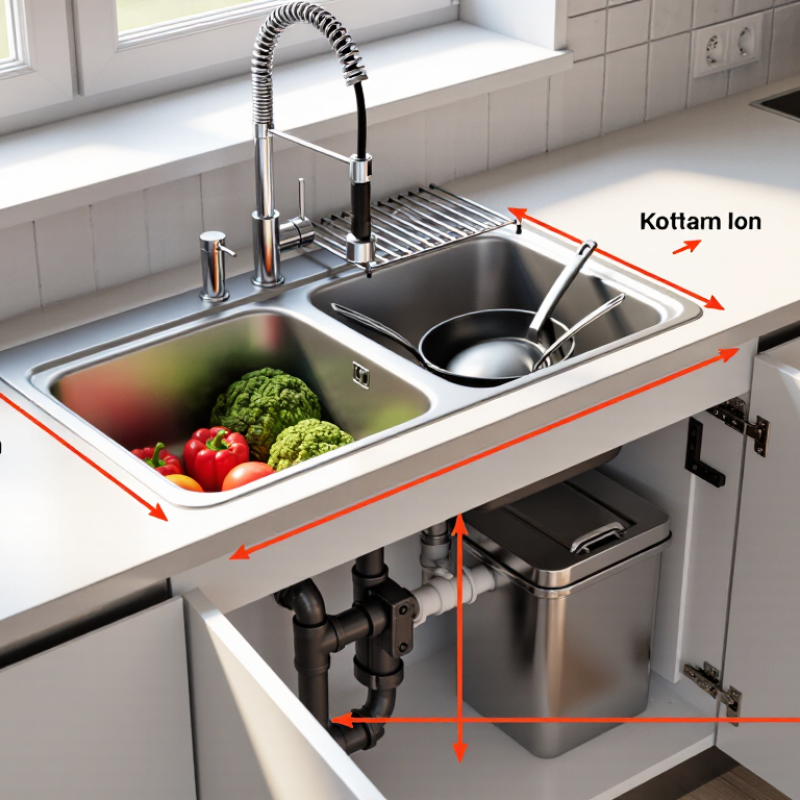
Measure the base cabinet inside, not only the countertop opening. Leave room for mounting rails, plumbing, insulation, and the waste fitting. A sink that fits the worktop may still block drawers below. Check the faucet position, backsplash clearance, and the door swing beneath the cabinet. For small kitchens, a 60/40 split often provides useful capacity without demanding excessive width. However, proportions vary. Sketch the bowls with masking tape on the counter. This simple test reveals whether elbows, appliances, or handles collide during real preparation.
Depth deserves equal attention. A deep bowl holds large pots, but it can strain your back and reduce under-sink storage. Measure from the counter surface to the cabinet floor, then compare that space with your plumbing. Consider your height, cleaning habits, and the largest pan you actually use. Technical specifications should state bowl dimensions, corner radius, installation type, and required cabinet size. Reliable measurements matter more than attractive images. Still, leave a small tolerance; walls are rarely perfectly square. A rushed choice can fit on paper and fail during installation.
How to Choose a Kitchen Sink Double Bowl?
Define your kitchen sink needs and available space by comparing common double-bowl sink widths with the recommended minimum base-cabinet width. A practical planning rule is to allow at least 3 inches of cabinet width beyond the sink’s overall width.
How to use this chart: Measure the inside width of the cabinet where the sink will be installed. Choose a sink size whose recommended cabinet width fits your available space, while also considering bowl depth, plumbing clearance, and your daily washing needs.
Choose the Best Sink Material for Durability and Maintenance
Choosing a double-bowl kitchen sink starts with material, not appearance. The 2023 Houzz U.S. Kitchen Trends Study reports that undermount sinks appeared in 73% of renovated kitchens. That installation exposes the sink edge to moisture, so material quality matters. Stainless steel remains a practical choice because it tolerates hot pans, repeated washing, and everyday impacts. Look for 16- or 18-gauge steel, with a brushed finish that hides fine scratches better. Thin steel can sound harsh. It may also dent more easily.
Granite composite offers a quieter basin and strong resistance to staining, but dark surfaces can show pale mineral deposits. According to the U.S. Geological Survey’s 2022 Mineral Commodity Summaries, the United States consumed about 4.1 million metric tons of dimension stone, reflecting continued demand for durable stone-based surfaces. This figure does not prove every composite sink will last; formulation and installation still matter.
Fireclay creates a smooth, classic surface, yet heavy cookware can chip its glazed finish. That risk is easy to underestimate.
For a double bowl, check the divider height and bowl depth before choosing. A low divider helps wash large trays, while equal bowls simplify sorting and soaking. In hard-water areas, wipe any material dry after use. I prefer stainless steel for busy kitchens, though this is not universal. Noise, scratches, and visible water marks can change the decision. Look beyond the sample under bright light.
Match Installation Style, Faucet Placement, and Kitchen Design
Choosing a double-bowl kitchen sink starts with its installation style. An undermount sink creates a clean counter edge and makes crumbs easy to wipe inside. A top-mount model suits existing counters and usually simplifies replacement work. Farmhouse-style installation adds a strong visual presence, but its front panel needs accurate cabinet planning. I have seen small measuring errors force awkward trim changes. Measure twice. Check cabinet width, counter thickness, and bowl depth before ordering. A deeper bowl may hide dishes, yet it can strain your back or limit storage below.
Faucet placement should follow the sink’s daily workflow, not only the counter’s appearance. A centered faucet works well when both bowls share similar tasks. An offset faucet may leave more room for a large washing bowl or a nearby window. Confirm the faucet hole pattern and rear clearance first. A high-arc faucet can help fill tall pots, but it may splash against a shallow bowl. I once chose a dramatic faucet and later found its reach uncomfortable. It looked right, but worked poorly.
Kitchen design should guide bowl size, material, and visual balance. In a compact kitchen, equal bowls can feel crowded; a 60/40 split may separate washing from rinsing more naturally. In a large kitchen, two generous bowls support meal preparation and cleanup together. Match the sink finish with nearby hardware, without forcing an exact match. Slight contrast can add depth. Check drainage slope, sound control, and local plumbing requirements with a qualified installer. These details are easy to overlook during a showroom visit.