How to Choose the Right Flexible Printed Circuit for Your Project?
Choosing the right flexible printed circuit for your project can be daunting. With various options available, making a decision isn't easy. Understanding your project's specific needs is crucial. You must consider size, flexibility, and application. Each factor plays a vital role in performance.
Flexible printed circuits offer unique benefits. They save space and reduce weight in devices. However, if chosen poorly, they can lead to failures. Think about the environment where the circuit will operate. High temperatures or humidity can affect reliability. Knowing these details helps narrow your options.
Take time to analyze your requirements. Research different materials and designs. Prototype a few options to test under real conditions. The right flexible printed circuit can enhance your project significantly. But remember, the wrong choice might lead to challenges later. Be patient and thoughtful in your selection process.
Understanding Flexible Printed Circuits and Their Applications
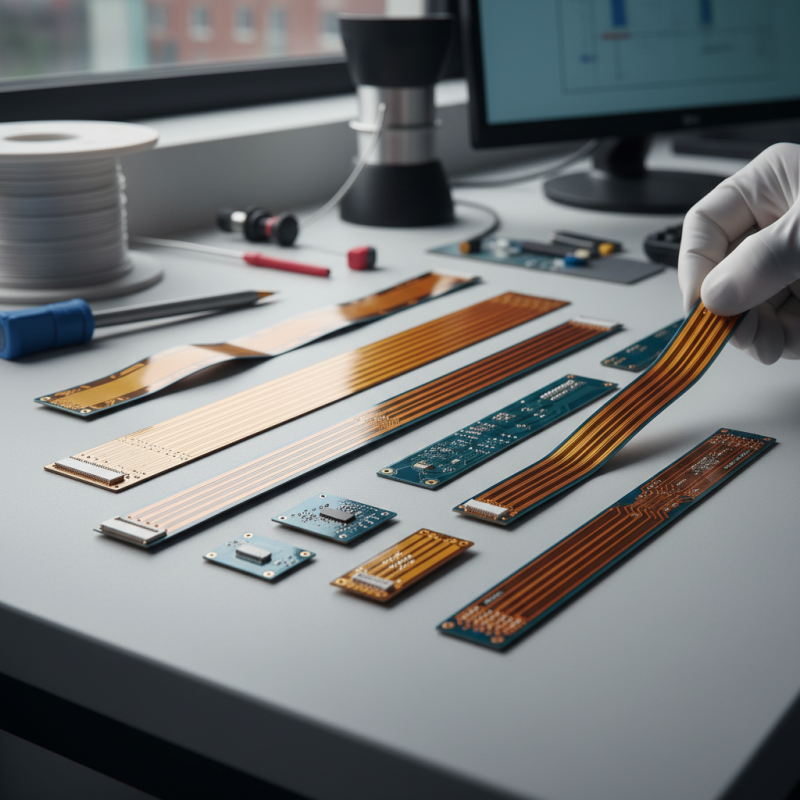
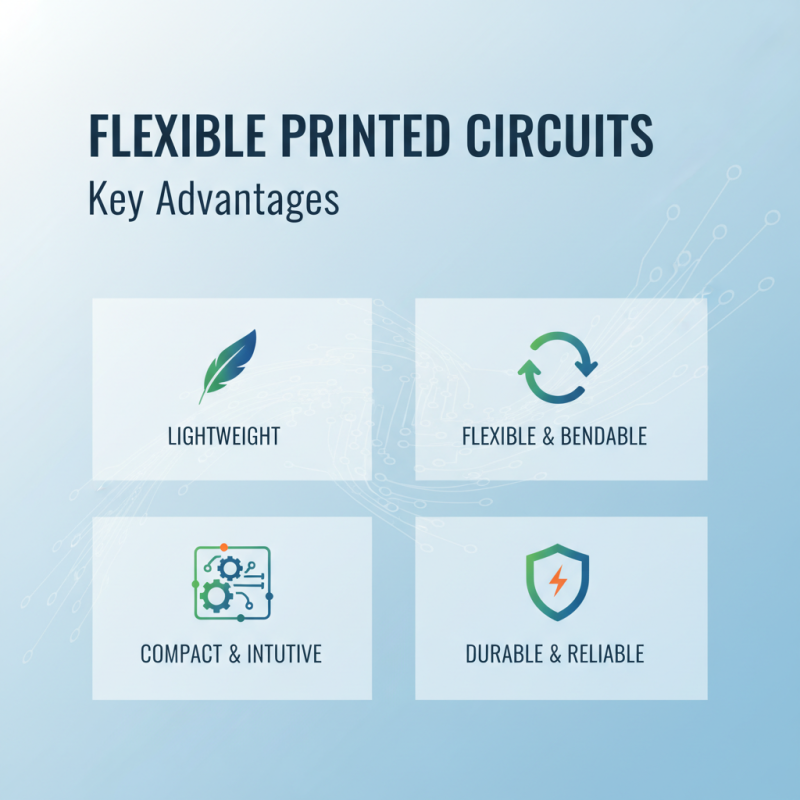
Flexible printed circuits (FPCs) are increasingly popular in various industries. These circuits provide unique benefits. Their lightweight design is one of the major advantages. FPCs can bend and twist easily. This makes them ideal for compact spaces and intricate assemblies.
Applications for flexible printed circuits range from consumer electronics to medical devices. In smartphones, FPCs enable efficient use of space. In wearables, they can conform to the body’s shape. Many overlook the importance of selecting the right material for FPCs. Different materials can affect durability and conductivity. Here, a well-informed choice can make a significant difference.
Even experienced engineers may misjudge the specifications needed for their project. Wrong choices could lead to functional failures. It’s essential to consider the environment where the circuit will operate. Factors like temperature and humidity can impact performance. Reflecting on these details can prevent costly redesigns in the future. Choosing the right FPC is not just about size; it’s about the entire application landscape.
Key Factors to Consider When Selecting a Flexible Printed Circuit
When selecting a flexible printed circuit (FPC) for your project, several key factors come into play. Material choice is crucial. Polyimide is popular due to its thermal stability and flexibility. However, it might not be the best fit for every application. Consider your environmental conditions. Reports indicate that over 30% of FPC failures are linked to inadequate material selection.
Another aspect is the design complexity. A more intricate design can enhance functionality but may increase production costs. Data shows that complex designs can boost circuit density by up to 50%, yet they often entail longer lead times. It's essential to balance these factors with project timelines and budget constraints. A rushed decision may lead to errors and compromise the circuit's reliability.
Finally, pay attention to the manufacturing processes involved. The technology you choose can either enhance performance or introduce defects. For example, while advanced manufacturing techniques can improve precision, they also require higher investment. Ultimately, fostering open communication with manufacturers can prevent misunderstandings, ensuring that all specifications are met accurately. It's important to reflect on these considerations throughout the selection process.
Material Options for Flexible Printed Circuits: A Comparative Guide
When selecting materials for flexible printed circuits (FPC), understanding your options is crucial. FPCs can be made from various materials like polyimide and polyester. Polyimide offers high thermal stability. It can withstand temperatures over 200°C, making it suitable for demanding applications. Polyester, on the other hand, is cost-effective but has a lower temperature tolerance of around 125°C.
Tip: Always assess your project’s thermal requirements before making a decision.
Conducting thorough research on tensile strength is essential too. A report by the IPC states that polyimide outperforms polyester in flexibility and durability. It can bend without breaking, an invaluable trait for compact devices. However, polyimide is generally more expensive.
Tip: Create a balance between budget constraints and performance needs.
Make sure to consider the circuit’s application as well. Different designs might require specialized materials to ensure reliable performance. The choice of adhesives is also important. Some adhesives may not work well with certain substrates. Testing combinations is vital to avoid failures.
Tip: Prototype with various materials early in the design process. This helps identify any weaknesses.
Material Options for Flexible Printed Circuits: A Comparative Guide
Evaluating Design Specifications for Your Flexible Printed Circuit Needs
Choosing a flexible printed circuit (FPC) involves careful evaluation of design specifications. The first step is understanding your project requirements. Consider the size, weight, and complexity of the design. Each of these factors influences material selection and production costs. Do you need a multi-layer or single-layer circuit? Assessing the number of layers can affect flexibility and signal integrity.
Next, think about environmental factors. Will the circuit be exposed to harsh conditions? High temperatures and humidity can damage certain materials. Identify the material type that fits your conditions. You might think a standard polymer will work, but that’s not always true. Sometimes, high-performance materials are necessary.
Lastly, collaborate with design engineers to refine your specifications. Engaging with experts can illuminate gaps in your understanding. It's easy to overlook certain details, like trace width and spacing. Make sure the dimensions align with manufacturing capabilities. This phase may feel tedious, but it's crucial. A minor mistake can lead to significant delays and extra costs. Always remain open to revising your approach as needed.
How to Choose the Right Flexible Printed Circuit for Your Project? - Evaluating Design Specifications for Your Flexible Printed Circuit Needs
| Specification |
Description |
Typical Value |
Considerations |
| Layer Count |
Number of conductive layers in the circuit |
1-8 |
Higher layers may increase cost and complexity |
| Minimum Trace Width |
The smallest width of conductive traces |
0.1 mm |
Thinner traces allow for compact designs but require precision |
| Material Type |
Substrate material used for the circuit |
Polyimide, PET |
Consider application environment (temperature, flexibility) |
| Operating Temperature Range |
Temperature limits for reliable performance |
-40°C to 125°C |
Must align with the application needs |
| Bend Radius |
Minimum radius for bending the circuit without damage |
5 mm |
Important for applications with movement |
Cost Considerations and Budgeting for Flexible Printed Circuits
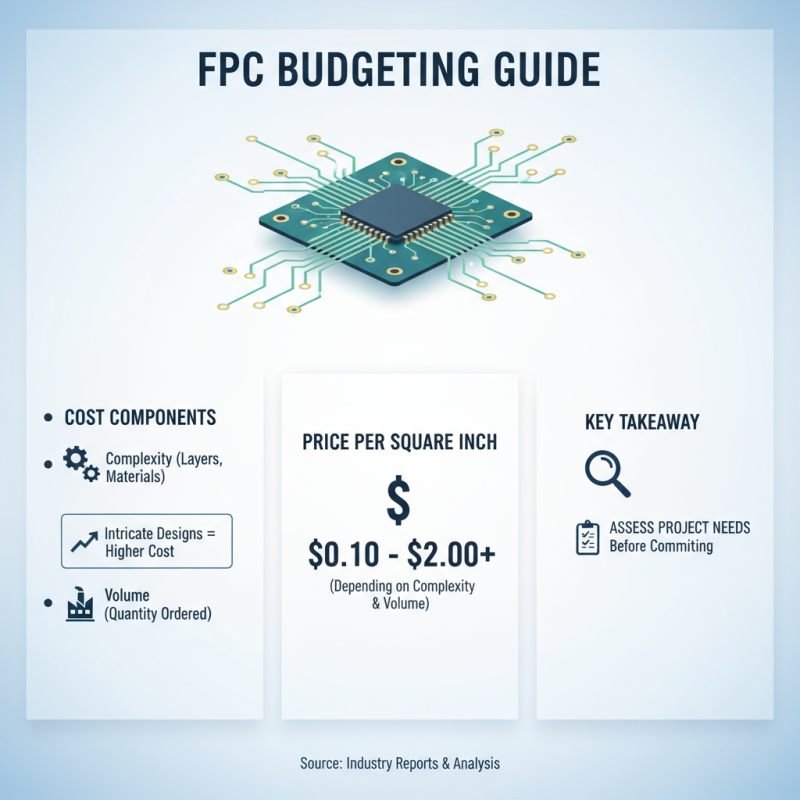
When budgeting for flexible printed circuits (FPCs), understanding their cost components is crucial. The average price per square inch for FPCs can range from $0.10 to $2.00, depending on complexity and volume. Reports suggest that intricate designs may cost significantly more due to added layers and specialized materials. Therefore, it’s vital to assess your project's specific needs before committing.
Material choices impact both durability and cost. Polyimide and PET films vary in price and performance. For instance, polyimide offers superior thermal resistance but may elevate project costs. Conversely, opting for less robust materials could lead to higher failure rates, impacting overall project success. Many projects faced cost overruns due to unforeseen material choices, highlighting the need for thorough planning.
Volume also plays a role in pricing. Bulk orders can reduce costs by up to 30% according to industry statistics. However, transitioning to mass production without proper testing can result in waste. This balance of cost and quality requires careful thought. Understanding these nuances is essential for staying within budget while achieving project goals.