How Digital Solar Bus Stops Will Transform Transportation at Canton Fair?
The upcoming Canton Fair presents a unique opportunity for innovation in transportation. Digital solar bus stops are set to transform how attendees navigate the expansive exhibition space. Experts like Dr. Emily Chen, a leading figure in smart transportation, emphasize the benefits of these stops. She stated, “Digital solar bus stops will redefine accessibility.”
By providing real-time information and sustainable energy solutions, these bus stops aim to enhance the visitor experience. They will integrate with the AI features introduced at the Fair, allowing seamless navigation. Attendees can access immediate updates on bus routes and schedules right at their fingertips.
However, there are challenges to consider. The implementation may face complications, such as infrastructure costs and technological integration. As the event approaches, organizers must reflect on these potential pitfalls to ensure success. Embracing change is crucial, but the path is not without its obstacles. The introduction of digital solar bus stops is a step toward a smarter, greener future.
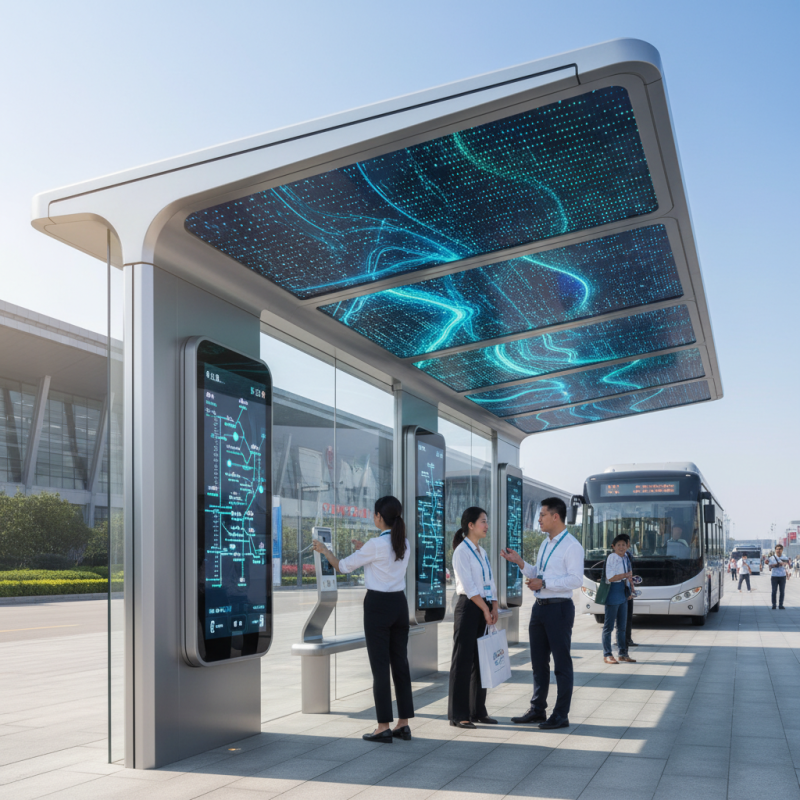
The Role of Digital Solar Bus Stops in Sustainable Transportation Solutions
Digital solar bus stops represent a transformative step toward sustainable transportation. These innovative structures harness solar energy, providing clean power for their operations. They feature real-time transit information, helping passengers plan their journeys efficiently. Travelers benefit from updated schedules and alerts. This convenience can reduce wait times and enhance overall user experience.
However, the implementation of digital solar bus stops isn't without challenges. Initial costs can be high, creating barriers for some communities. Maintenance of solar technology requires ongoing investment and expertise. There's also the issue of accessibility. Not all users may feel comfortable with digital interfaces. Some individuals prefer traditional signage, leading to potential frustration.
Despite these hurdles, the potential benefits are significant. Reducing carbon emissions is critical for our planet. By integrating solar energy into public transport, cities can promote cleaner alternatives. Encouraging more people to use buses instead of cars could also ease traffic congestion. Digital solar bus stops play a crucial role in fostering more sustainable urban environments.
How Digital Solar Bus Stops Will Transform Transportation at Canton Fair? - The Role of Digital Solar Bus Stops in Sustainable Transportation Solutions
| Feature | Description | Benefits |
| Solar Power | Utilizes solar panels for energy | Reduces carbon footprint |
| Real-Time Information | Displays live bus schedules and updates | Improves passenger convenience |
| Wi-Fi Connectivity | Provides free internet access | Enhances user experience |
| Smart Lighting | LED lights that adjust based on time of day | Increases safety during night hours |
| Interactive Screens | Touchscreen panels for route planning | Assists users in navigating transit options |
| Bicycle Parking | Secure bike storage facilities | Promotes eco-friendly transport alternatives |
Impact of Digital Solar Technology on Energy Efficiency in Public Transit
Digital solar bus stops are set to revolutionize public transportation, especially at larger events like the Canton Fair. These installations harness solar energy, providing a sustainable solution for energy demands. Reports state that public transit accounts for about 29% of greenhouse gas emissions in urban areas. By integrating solar technology, cities can significantly reduce their carbon footprint.
Energy efficiency is a crucial factor. A study shows that solar-powered systems can save up to 30% on energy costs compared to traditional electricity sources. This can enhance the operational budget for public transit systems. Moreover, solar technology ensures that bus stops remain functional even during power outages. In places with high foot traffic, like the Canton Fair, this reliability is essential.
Yet, challenges persist. The initial investment for solar infrastructure can be steep, deterring some cities. Maintenance of solar panels can also require specific expertise. Additionally, weather conditions in different regions may affect energy production. As cities look to implement these innovations, it's crucial to weigh the long-term benefits against the current hurdles.
Case Study: Implementation of Digital Bus Stops at Canton Fair Venue
The implementation of digital bus stops at the Canton Fair venue marks a significant shift in urban transportation. These interactive stations will offer real-time data, improving the travel experience for visitors and exhibitors alike. Imagine arriving at a bus stop and instantly seeing when the next bus will arrive or which routes to take. It’s designed for convenience and efficiency.
However, the transition to digital bus stops isn’t without challenges. Reliability is crucial. What if the system malfunctions? Visitors might get frustrated if they encounter technical issues. Clear signage and assistance should support the digital system, ensuring everyone can navigate smoothly. Simple design can avoid confusion.
Tips: Keep the bus stop area clean and well-lit. Safety should always be a priority. Also, maintain regular updates to the system to build trust with the users. Familiarize yourself with the bus routes before arriving. Knowing your options can save time and enhance your fair experience.
User Experience Enhancements Through Smart Features in Bus Stops
Digital solar bus stops promise to enhance transportation experiences at the Canton Fair. These smart stops are equipped with advanced features that improve usability. For example, real-time arrival information can keep passengers informed. Imagine waiting at a stop and seeing exactly when your bus will arrive. This feature reduces uncertainty and anxiety.
Additionally, solar panels can provide energy to these stops. They power displays and charging stations for devices. This eco-friendly approach makes public transport more sustainable. However, some challenges may arise. Not all areas may have sufficient sunlight for optimal energy generation. This could affect functionality in specific seasons.
User experience can also be enhanced through connectivity. Free Wi-Fi at bus stops allows visitors to browse or plan their journeys. Yet, reliance on technology may pose issues. Some users might face difficulties navigating digital interfaces. Often, training or resources are needed to help them. Balancing smart features with accessibility poses an ongoing challenge.
Impact of Digital Solar Bus Stops on Transportation User Experience
This chart illustrates the predicted improvements in user experience due to the implementation of digital solar bus stops at the Canton Fair. Each bar represents a different aspect of the user experience, showing high expected ratings for wait time, accessibility, and overall satisfaction.
Economic Benefits of Digital Solar Bus Stops for Urban Mobility Solutions
Digital solar bus stops are set to change the transportation landscape, especially during major events like the Canton Fair. These eco-friendly structures harness sunlight to power digital displays and charging stations for devices. This innovation not only promotes sustainability but also enhances urban mobility solutions.
The economic benefits of digital solar bus stops are significant. They reduce energy costs for municipalities and can even provide income through advertising. This money can be reinvested in local infrastructure, boosting the economy further. Bus stops powered by renewable energy attract attention, showcasing a city's commitment to sustainability. They can improve commuter experience by offering real-time updates and information.
Tip: Consider how these bus stops might integrate with existing city services. Collaboration could enhance efficiency.
However, the implementation isn't without challenges. Adjusting existing infrastructure to accommodate solar technology may face resistance. Local governments need to engage communities in these discussions. Effective communication can clarify benefits and address concerns.
Tip: Involve the community early in the planning stages. Their insights can improve acceptance and functionality.