
Top Tips for Sourcing Rigid PCB Effectively?
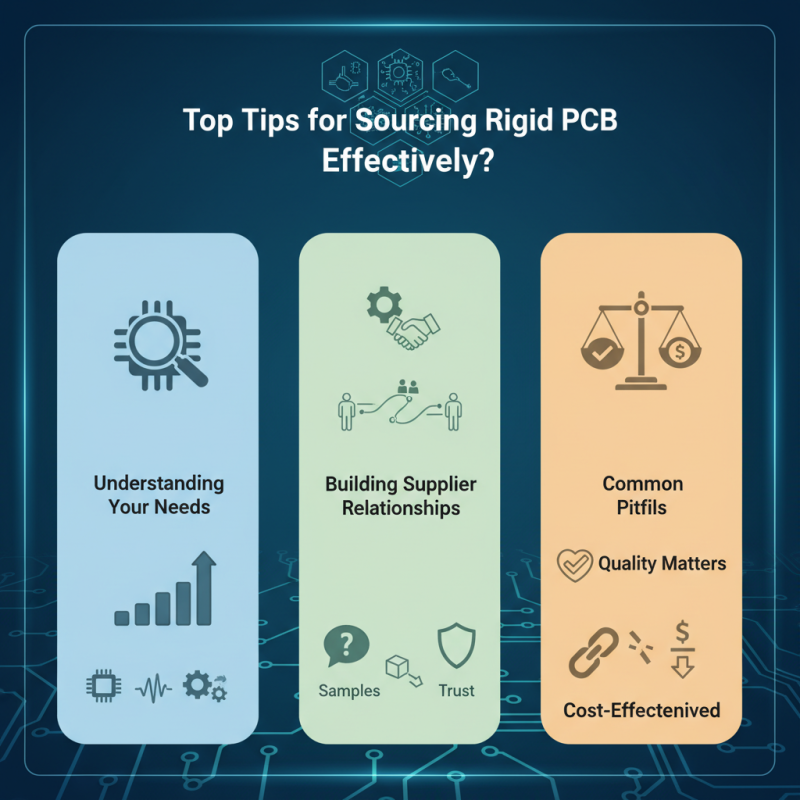
Sourcing rigid PCBs can be a complex task. The right approach is crucial. It requires careful consideration of various factors. Quality, reliability, and cost-effectiveness are key.
Understanding your specific needs is the first step. Not all rigid PCBs are the same. Each application demands a unique solution. You must evaluate your project requirements carefully.
Building relationships with suppliers forms another essential piece. Trustworthy partners can provide valuable insights. They can help you navigate challenges. Don't hesitate to ask for samples. Testing can reveal potential quality issues that may arise later. Be aware of common pitfalls. Sourcing is not just about price. Quality matters significantly. A bad choice could lead to increased costs down the line.
Understanding Rigid PCBs: Types and Applications
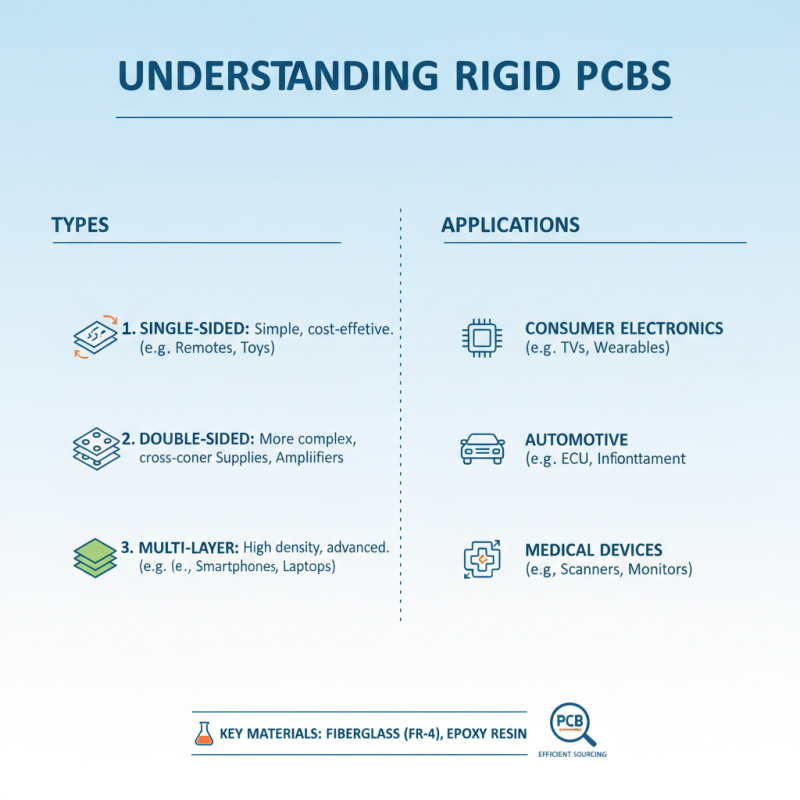
Rigid printed circuit boards (PCBs) are essential in various electronic devices. They provide a stable platform for electronic components. These boards are made from materials like fiberglass or epoxy. Each type of rigid PCB has specific applications, so understanding them is key for efficient sourcing.
There are different types of rigid PCBs, including single-sided, double-sided, and multilayer. Single-sided PCBs are simpler, often used in basic electronics. Double-sided PCBs allow for more complex designs. Multilayer PCBs are crucial for advanced technology. They enable high-density components and improved performance. Choosing the right type requires a clear understanding of the project requirements.
Common applications of rigid PCBs include consumer electronics, automotive systems, and medical devices. In consumer electronics, they support smartphones and laptops. In automotive, they're vital for navigation and safety systems. Medical devices often rely on their reliability and precision. Assessing these applications helps in selecting the most suitable PCB type.
Identifying Reliable Suppliers for Rigid PCBs
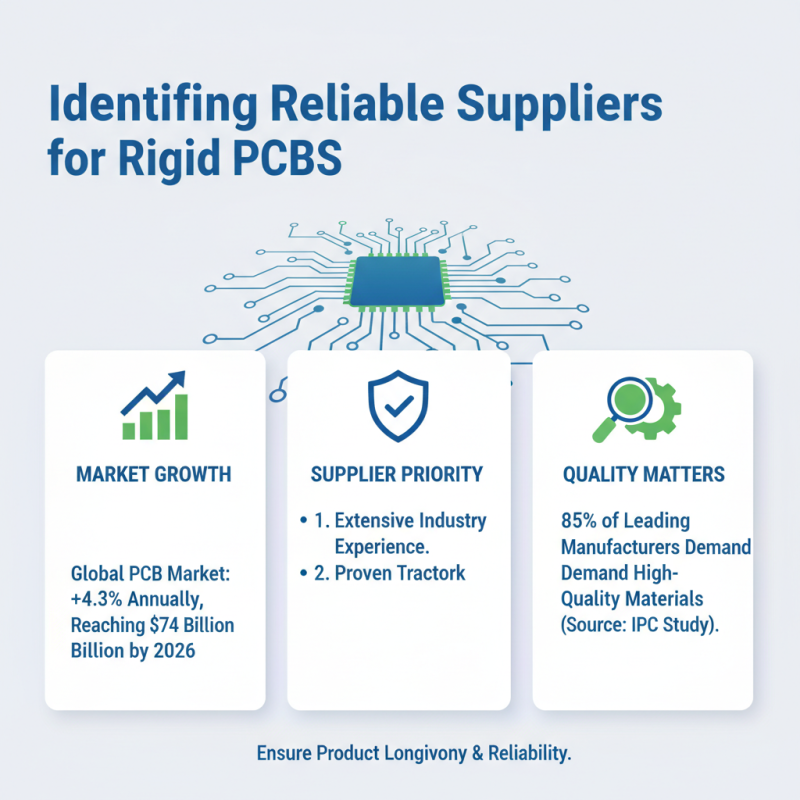
When sourcing rigid PCBs, identifying reliable suppliers is crucial. The global PCB market is projected to grow by 4.3% annually, reaching $74 billion by 2026. This growth emphasizes the importance of supplier selection. Companies should prioritize suppliers with extensive industry experience and a proven track record. A study by IPC shows that 85% of leading manufacturers demand high-quality materials to ensure product longevity and reliability.
Reliable suppliers often possess certifications, such as ISO 9001. These certifications indicate adherence to quality management systems. Additionally, geographic proximity can impact lead times and communication. A report from Research and Markets revealed that 30% of firms faced delays due to poor supplier coordination. It's essential to evaluate suppliers not only on price but also on their ability to meet deadlines. A rigid PCB supplier should have robust technical support and a willingness to innovate.
Investing time in background checks can prevent future issues. A reliance on testimonials from past clients can be misleading. Transparency in the manufacturing process is a vital factor for making informed choices. The right supplier will be open to sharing their production capabilities and technology. Ultimately, establishing a mutually beneficial relationship begins with thorough research and a critical approach.
Evaluating Quality Standards and Certifications for Rigid PCBs
When sourcing rigid PCBs, understanding quality standards and certifications is essential. Certifications such as ISO 9001 can indicate a manufacturer’s commitment to quality management systems. It's vital to consider these credentials during your evaluation process. A factory with established certifications demonstrates their ability to produce reliable products.
Tips for assessing quality include reviewing production processes. Investigate how the manufacturer handles materials and ensures consistency. Look for PCBs that meet IPC standards, which provide guidelines for quality assurance in electronics production. Regular audits can also reveal a lot about a company’s dedication to maintaining quality.
Another aspect is traceability. Ensure manufacturers can track their components and processes. This practice is crucial in identifying issues and implementing corrections swiftly. A reliable supplier will have measures in place for monitoring quality from start to finish. By focusing on these aspects, you can make more informed sourcing decisions.
Cost Considerations and Budgeting for Rigid PCB Procurement
When budgeting for rigid PCB procurement, it’s crucial to understand the factors that influence costs. Material quality directly impacts price. Opting for higher-grade materials typically means paying more. However, superior materials can enhance durability and performance. Investing in quality can yield long-term savings due to reduced failure rates and replacement costs.
Additionally, volume plays a significant role in pricing. Ordering in larger quantities often reduces the per-unit cost. However, large orders can strain cash flow. This may require careful financial planning and forecasting. Smaller orders may provide flexibility but can lead to higher individual costs. Balancing order size with budget constraints is essential.
Don’t overlook hidden expenses. Shipping, taxes, and tariffs can accumulate quickly. Unexpected fees can push costs beyond initial estimates. It’s wise to factor these elements into your budgeting. Regularly reviewing your procurement process can reveal areas for improvement. Reflecting on past purchases helps in making informed decisions for future orders. Ensure that you analyze both direct and indirect costs for a comprehensive budget strategy.
Cost Considerations for Rigid PCB Procurement
Negotiation Strategies for Optimal Pricing and Terms on Rigid PCBs
When sourcing rigid PCBs, negotiation plays a crucial role in securing the best pricing and terms. Start by understanding the market value of rigid PCBs. This knowledge helps you identify reasonable pricing ranges. Research suppliers thoroughly and compare their offerings. It’s important to ask for detailed quotes that outline not just the price but also terms like lead times and minimum order quantities.
Effective negotiation requires clear communication. Be transparent about your needs but also be prepared to compromise on certain aspects. For example, a supplier might offer a lower price with longer lead times. Assess the trade-offs carefully and reflect on how they align with your project timelines. Building relationships with suppliers can also open doors to better deals.
Be aware that not all negotiations will go smoothly. You may face pushback on pricing or delivery times. It’s okay to walk away if terms don’t meet your requirements. Sometimes, a pause for reflection can lead to breakthroughs. Each negotiation teaches valuable lessons, helping you refine your approach for future sourcing endeavors.
Top Tips for Sourcing Rigid PCB Effectively
| Dimension | Description | Considerations | Tips |
|---|---|---|---|
| Lead Time | Time taken from order to delivery | Impact on production timelines | Negotiate for shorter lead times |
| MOQ | Minimum order quantity required | Inventory costs vs. demand | Discuss flexibility on volume |
| Cost | Price per unit for PCBs | Material and fabrication costs | Request detailed quotes |
| Quality Assurance | Standards and testing processes | Impact on product performance | Ask for certifications |
| Technical Support | Assistance during design and manufacturing | Resolution of production issues | Verify support availability |
Related Posts
-
How to Optimize PCB Production for Better Efficiency and Quality?
-

Why Rigid PCB Is Essential for Modern Electronics Development?
-

What are the benefits of using rigid PCB technology?
-
How to Choose the Best Circuit Board Design for Your Project?
-

How to Design a Printed Circuit Board Effectively?
-

How to Design a Circuit Board Efficiently in 2026?