How to Source High Quality Graphite Machine Parts Efficiently?
In today's manufacturing landscape, sourcing high-quality Graphite Machine Parts is essential for operational success. Graphite machine parts are vital for various applications, including aerospace, automotive, and renewable energy. Their unique properties, such as excellent thermal conductivity and chemical resistance, make them indispensable. However, finding reliable suppliers can be challenging.
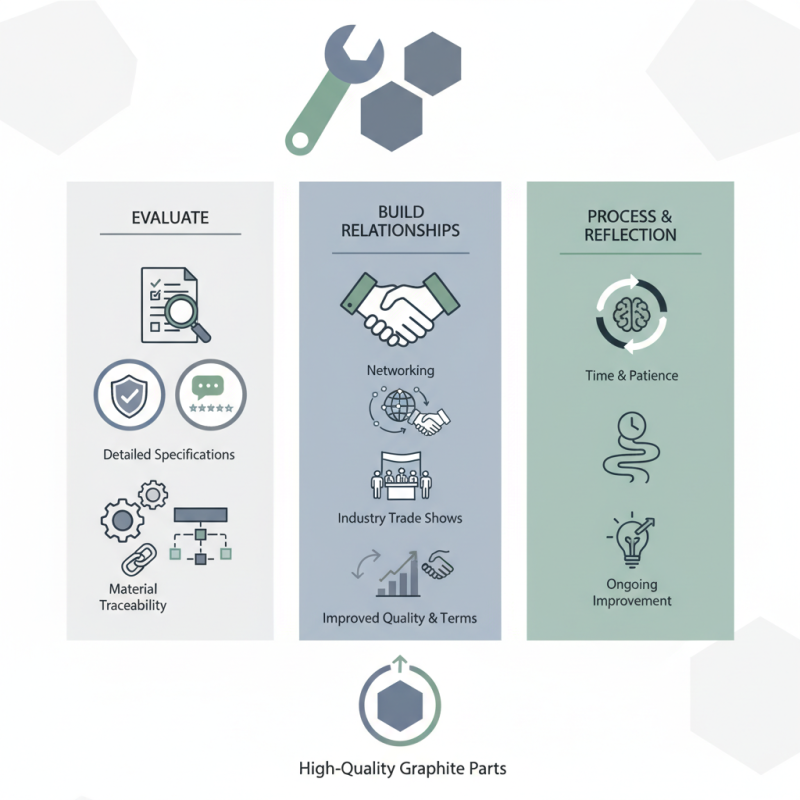
It is important to evaluate potential sources critically. Not all suppliers maintain the same standards of quality. Checking certifications and customer reviews is paramount. A reputable supplier should provide detailed product specifications and traceability of materials. This process can sometimes expose inefficiencies in the supply chain.
Moreover, establishing strong relationships with suppliers can lead to better terms and improved quality. Attending industry trade shows allows you to network and gain insights. The journey of sourcing is not merely transactional; it demands attention. You may find that the best solutions require time and patience. Through reflection, we realize that high-quality procurement is an ongoing process.
Identifying High Quality Specifications for Graphite Machine Parts
When sourcing high-quality graphite machine parts, understanding their specifications plays a crucial role. Key factors include density, purity, and particle size. Reports indicate that higher density graphite can withstand greater stress and thermal shock, essential for demanding applications. For instance, a density above 1.80 g/cm³ is often preferred in high-performance environments.
Purity levels must also be considered. Graphite with a purity of 99% or higher typically delivers better performance. Impurities can lead to diminished efficiency and increased wear, which are critical for machine longevity. Particle size often influences the material's electrical conductivity and thermal properties. A finer particle size can enhance these attributes, but it can be challenging to manufacture and handle.
Manufacturers face the challenge of balancing quality with cost. The most affordable options may not always meet necessary specifications. It's vital to conduct thorough assessments of suppliers, relying on industry standards and certifications. Organizations like ASTM International provide guidelines that help in evaluating material quality. Scrutinizing these specifications ensures that you don't compromise performance for price. Reflecting on past sourcing failures can guide better decision-making today.
Researching Reliable Suppliers for High Quality Graphite Components
Finding reliable suppliers for high-quality graphite components can be challenging. Start by identifying manufacturers that specialize in graphite machines. Look for suppliers with a solid track record in the industry. Experience matters. Suppliers with a long history often have better quality assurance processes.
Attend industry trade shows or conferences. These events provide opportunities to meet potential suppliers face-to-face. You can assess their professionalism and expertise directly. Networking with peers can also lead to valuable recommendations. Ask for referrals, as personal experiences can provide insight into a supplier's reliability.
Verify the supplier’s certifications and quality control processes. Request samples before committing to larger orders. This step can save you from future disappointments in quality. Pay attention to customer reviews and feedback. A supplier's past performance is a good indicator of future reliability. However, no supplier is perfect. Be open to feedback and ready to change suppliers if necessary.
How to Source High Quality Graphite Machine Parts Efficiently? - Researching Reliable Suppliers for High Quality Graphite Components
| Supplier Location | Quality Assurance Certifications | Production Capacity (units/month) | Lead Time (weeks) | Minimum Order Quantity (units) |
| China | ISO 9001, IATF 16949 | 10000 | 4 | 500 |
| India | ISO 9001, ISO 14001 | 5000 | 6 | 300 |
| Germany | ISO 9001, ISO 50001 | 2000 | 5 | 100 |
| USA | ISO 9001, AS9100 | 8000 | 3 | 400 |
| Japan | ISO 9001, ISO 45001 | 6000 | 5 | 250 |
Assessing Quality Control Standards in Graphite Part Manufacturing
Quality control is crucial in graphite part manufacturing. The industry’s standards dictate that companies maintain strict guidelines to ensure product integrity. According to a report by the International Graphite Association, nearly 30% of defects in graphite parts stem from inadequate quality checks. This statistic underscores the importance of implementing robust quality protocols.
One effective method includes regular audits of production processes. These audits help identify weaknesses in the manufacturing workflow. Additionally, using advanced testing methods like ultrasonic testing can improve defect detection rates by up to 25%. However, many manufacturers still rely on outdated techniques. This reliance may lead to oversights that can affect product performance in various applications.
Moreover, supplier selection plays a significant role. Companies should partner with suppliers that consistently meet quality certification standards, such as ISO 9001. A recent study by Market Research Insights revealed that 45% of manufacturers changed suppliers due to quality concerns. This change often resulted in improved reliability and performance of graphite parts. Yet, not all suppliers are transparent about their quality control measures, which raises concerns about product consistency. Addressing these challenges is essential for the industry to thrive.
Quality Control Standards in Graphite Machine Parts Manufacturing
Evaluating Cost-Effectiveness and Delivery Timelines for Sourcing
When sourcing high-quality graphite machine parts, evaluating cost-effectiveness and delivery timelines is crucial. Many factors can impact these elements. Start by identifying potential suppliers based on their production capabilities. Look for detailed specifications regarding their graphite materials and machining processes. Quality assurance procedures should be clearly defined.
Cost-effectiveness involves more than just the price per unit. Consider shipping costs, customs duties, and bulk discounts. Sometimes, a lower upfront price can lead to high ongoing operational costs. Evaluate if the extra savings justify the potential risk of lower quality. It’s essential to factor in delivery timelines as well. A quick turnaround can sometimes lead to hasty manufacturing, affecting quality.
Reliable suppliers will provide realistic delivery dates. They should be transparent about production capabilities and unforeseen delays. Short lead times might be appealing, but they can come at the expense of thorough quality checks. It's worth reflecting on whether the urgency of delivery outweighs the importance of quality assurance. Balancing cost and timeline while ensuring high standards is key to successful sourcing.
Enhancing Supplier Relationships for Continuous Quality Improvement
Building strong supplier relationships is essential for procuring high-quality graphite machine parts. Establishing trust is the first step to continuous quality improvement. Regular communication fosters a deeper understanding of expectations and standards. This dialogue encourages suppliers to share insights on new materials or techniques. Over time, these exchanges can lead to innovative solutions that benefit both parties.
Supplier audits can also enhance these relationships. Regular evaluations allow for identifying areas of improvement. This can be a constructive process. Suppliers often appreciate feedback that helps them align with your quality goals. However, it requires balance. Being too stringent may create strain. Finding a way to be supportive while setting clear expectations is crucial.
Investing in training shows your commitment to the supplier's success. Workshops on quality standards or machinery operation can elevate the entire process. Both teams working together can minimize errors and boost efficiency. Yet, this does not come without challenges. Different expectations may arise, and alignment takes time. Reflecting on these interactions offers opportunities for growth.