10 Essential Tips for Choosing Rigid Flex Rigid PCB Solutions
In the rapidly evolving world of electronics, selecting the right rigid flex rigid PCB is crucial. As Dr. Emily Chen, a leading expert in PCB technology, states, "The right choice of materials and design can significantly impact the product's reliability and performance." Rigid flex rigid PCBs combine flexibility and durability, offering solutions for complex applications ranging from medical devices to consumer electronics.
Understanding the nuances of rigid flex rigid PCBs can be overwhelming. Manufacturers often face challenges such as material selection, thickness, and layer count. Each decision influences the final product’s functionality. Engaging with industry experts can streamline this process, but not all advice is one-size-fits-all.
Many companies struggle with aligning design requirements with manufacturing capabilities. It’s important to acknowledge that imperfections exist in all processes. Reflection on past choices can illuminate the path to better solutions. Taking the time to consider these factors empowers engineers to make informed decisions in their rigid flex rigid PCB projects.

Understanding Rigid Flex PCBs: Definition and Advantages
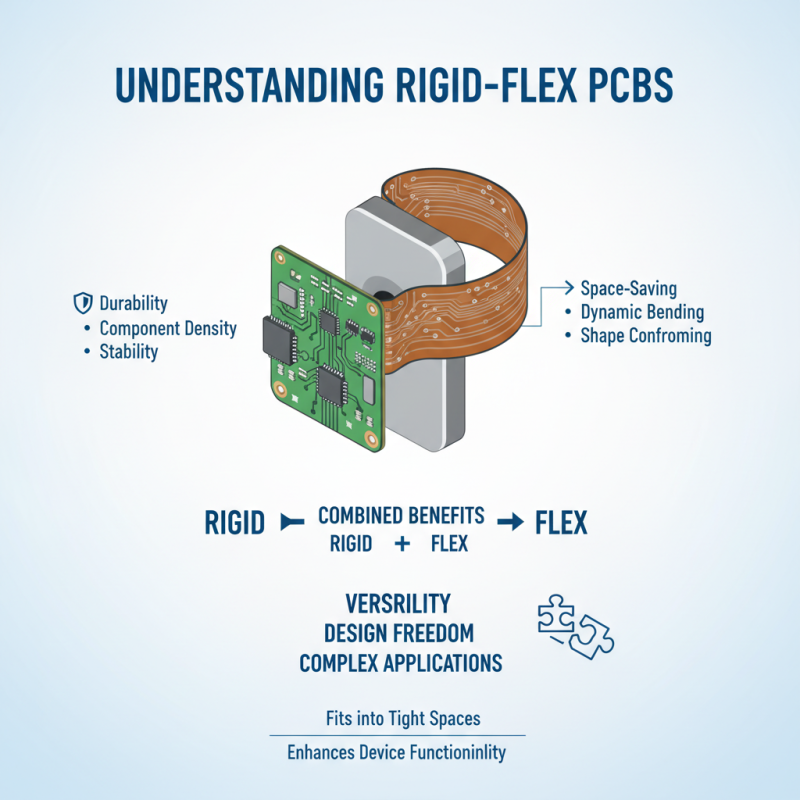
Rigid flex PCBs combine the benefits of both rigid and flexible circuit boards. This technology offers designers great versatility and design freedom. Rigid flex circuits are ideal for complex applications. They fit into tight spaces and adapt to various shapes. This enhances the overall functionality of electronic devices.
The advantages are clear. Rigid flex PCBs reduce assembly time and complexity. With fewer interconnects, the risk of failure decreases. They are lightweight, which helps in portable devices. Also, these boards can withstand bending and twisting, making them durable. For industries like medical and aerospace, this resilience is crucial. However, designing rigid flex PCBs requires experience and technical knowledge. Careful planning is essential to avoid manufacturing pitfalls.
Understanding the definition of rigid flex technology is vital. It's not just about space-saving; it’s about improving performance. Every designer should consider the unique attributes of these boards. They can elevate a product’s design while meeting stringent performance criteria. Embracing this technology comes with its challenges, which often require reflection and continuous learning.
Key Factors to Consider When Selecting Rigid Flex PCB Solutions
When selecting rigid flex PCB solutions, several key factors come into play. The first is application requirements. Your board thickness, component placement, and flexibility affect functionality. Consider environments where the PCB will operate. Heat and moisture resistance may be crucial for reliability.
Material choice is another significant factor. Copper thickness affects conductivity and durability. Pay attention to dielectric materials, too, as they impact signal integrity. Think about the manufacturing process as well. Complex designs may require specialized techniques, which can affect costs and time.
Evaluate the supplier's expertise. Their knowledge can guide you in making informed decisions. Ensure they have a track record of delivering quality products. Examine reviews and case studies if available. This can clarify their reliability and capabilities. Prioritize clear communication. Misunderstandings can lead to design errors, affecting performance. Finding the right balance between cost and quality is essential. It’s a process of trial and error, requiring thoughtful consideration.
Material Selection: Choosing the Right Substrates for Rigid Flex PCBs
When selecting substrates for rigid flex PCBs, the right material choice is crucial. The substrate type directly impacts the electronic performance, reliability, and durability of the final product. For example, polyimide is often favored for its excellent thermal properties. According to a recent market report, nearly 75% of rigid flex applications utilize polyimide due to its high heat resistance and flexibility.
However, not all situations are ideal for polyimide. In some cases, materials like FR-4 might offer better cost efficiency. FR-4 can still meet specific requirements but may not withstand extreme environmental conditions. This trade-off should not be overlooked, particularly in demanding applications that require a longer lifespan. Engineers must analyze the operational environment thoroughly before making decisions.
It's also vital to consider the thickness and dielectric constant of the substrate. Thin materials can allow for better space-saving designs, but they might sacrifice durability. Data indicates that around 60% of failures in rigid flex designs stem from mechanical stress due to inappropriate substrate choices. A reflective approach to these variables can ultimately lead to more robust and reliable solutions.
Design Considerations for Effective Rigid Flex PCB Layouts
When designing rigid flex PCBs, several key considerations must be taken into account. Effective layout is critical. According to IPC standards, optimal trace widths and spacing can prevent signal integrity issues. A width of 0.5 mm is often recommended for power lines, whereas 0.2 mm may suffice for signals. This ensures robustness and reliability.
Flex areas should be placed strategically. They should avoid stress points to prevent cracking. A recent study by the IPC found that 30% of flex failures were due to improper placement. Designers must also consider thermal management. Heat dissipation directly impacts performance. Insufficient thermal relief can lead to component failures.
Stacking techniques are vital in these designs. They can optimize space while maintaining performance. However, using too many layers can complicate manufacturing. This complexity might result in increased costs and longer lead times. A careful balance is essential. Each decision affects the final product’s reliability and effectiveness.
10 Essential Tips for Choosing Rigid Flex PCB Solutions