1 Pole Circuit Breaker Essential Tips for Home Safety?
A 1 Pole Circuit Breaker is an essential component for home safety. It protects electrical circuits from overloads and short circuits. According to the National Fire Protection Association, electrical failures are a leading cause of home fires. In 2019, these incidents accounted for 15% of all residential fires, involving serious damage and injuries.
Understanding how a 1 Pole Circuit Breaker functions can save lives. This device interrupts the flow of electricity when a fault occurs. A simple flick of a switch could prevent catastrophic outcomes. Yet, many homeowners underestimate its importance. It's not just about convenience; it’s about safety.
Regular checks of your circuit breaker can make a big difference. Industry standards suggest inspecting breakers annually to ensure optimal performance. A malfunctioning breaker can lead to serious consequences. Awareness of potential risks is key. Ensuring your home has effective circuit protection helps create a secure environment for you and your family.
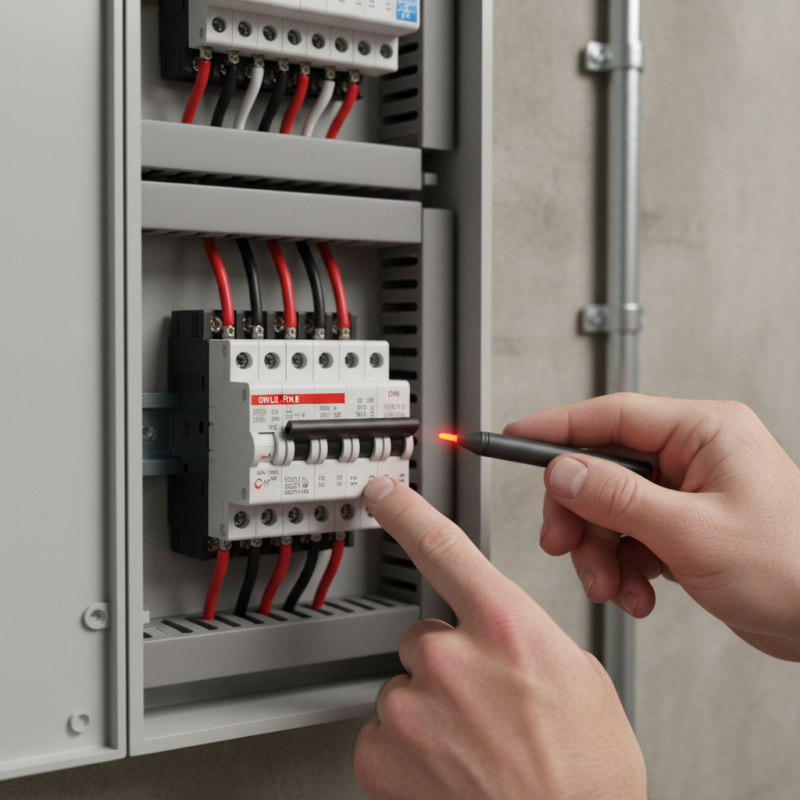
Understanding the Basics of 1 Pole Circuit Breakers
When it comes to home safety, understanding 1 pole circuit breakers is essential. These devices protect your home from electrical overloads. They act as a switch and can cut off power when necessary. A breaker mainly works in residential settings, safeguarding single-phase circuits.
One common misconception is that a circuit breaker is infallible. Regular checks are necessary. Inspecting them every few months can prevent issues. Ensure your breaker is accessible for quick shutdowns. Many homeowners overlook this detail. It’s easy to forget until an emergency arises.
Installation is another crucial point. Hiring a qualified electrician is vital for safety. Amateur installations can lead to malfunctions, causing potential hazards. Familiarize yourself with where your circuit breakers are located. It’s an important part of home maintenance. Understand their function and keep your electrical systems safe.
Importance of 1 Pole Circuit Breakers for Home Safety
1 Pole circuit breakers play a crucial role in maintaining home safety. They protect electrical circuits from overloads and short circuits. According to the National Fire Protection Association (NFPA), overloaded circuits account for nearly a third of residential fires in the U.S. annually. Ensuring that these breakers function correctly can prevent devastating incidents.
Many homeowners overlook the importance of regular maintenance for their circuit breakers. In fact, a study by the Electrical Safety Foundation International (ESFI) found that 54% of home electrical fires could have been prevented with proper maintenance. Simple checks, like ensuring the breaker is not tripped frequently, can indicate hidden issues. A circuit breaker functioning as intended can stop fires before they start.
A common mistake is to use the wrong amperage breaker for specific circuits. This can lead to tripped breakers or worse, fire hazards. Each circuit requires a breaker sized for its intended load. Understanding how these systems work is vital. Awareness of what’s at stake allows homeowners to take proactive measures. Ignoring these essential tips could lead to tragic outcomes.
1 Pole Circuit Breaker Essential Tips for Home Safety
| Aspect | Details |
| Function | Protects electrical circuits and prevents overheating. |
| Installation | Should be installed by a certified electrician for safety. |
| Maintenance | Regularly check for tripped breakers and signs of wear. |
| Benefits | Enhances safety by preventing electrical fires and equipment damage. |
| Common Issues | Frequent tripping may indicate overloaded circuits or faulty wiring. |
| Usage Tips | Avoid overloading circuits and use the right breakers for your needs. |
Installation Tips for 1 Pole Circuit Breakers
When installing a 1 pole circuit breaker, safety is paramount. Research indicates that faulty installations account for nearly 25% of electrical fires. Proper installation can drastically reduce this risk. Always ensure that the circuit breaker matches the amperage of your electrical system. Most homes use 15 or 20 amp breakers for general circuits.
The physical placement of the breaker is crucial. It should be installed within easy reach, allowing for quick access during emergencies. Breakers should also be placed in dry environments. Moisture can lead to corrosion and malfunction.
Occasionally, it’s easy to overlook the importance of labeling circuits. Correct labeling aids in maintenance and troubleshooting. A study found that 18% of homeowners do not mark their circuit breakers. This simple step can save time and prevent unsafe conditions during repairs. Consider regularly checking connections and tightness too. Loose connections can cause overheating and potential failure.
Common Issues and Troubleshooting for Circuit Breakers
Understanding common issues with circuit breakers is crucial for home safety. A report from the National Fire Protection Association highlights that electrical failures account for 29% of residential fires. Circuit breakers play a vital role in preventing these incidents. However, they can develop problems over time due to wear and tear.
One frequent issue is tripping. This occurs when the circuit is overloaded or a ground fault is detected. According to industry data, circuits should not exceed 80% of their rated capacity. Regularly exceeding this limit can lead to frequent trips, which many homeowners dismiss as minor. Ignoring persistent tripping may mask more severe underlying issues.
Another concern is corrosion. Breakers can suffer from moisture exposure, leading to rust. This degradation can cause the breaker to fail over time. Homeowners often overlook the importance of checking connections. Visual inspections can reveal signs of corrosion and help avoid potential hazards. Addressing these issues promptly can enhance safety and extend the lifespan of electrical systems. Maintaining awareness of these problems fosters a safer home environment.
Best Practices for Maintenance and Inspection of Circuit Breakers
Maintaining and inspecting circuit breakers is vital for home safety. Regular checks can prevent electrical failures. According to a report by the National Fire Protection Association, electrical failures cause an estimated 47,000 home fires annually. This statistic highlights the importance of proper maintenance.
Homeowners should inspect circuit breakers at least biannually. Look for any signs of wear, such as rust or discoloration. These indicators can signal an impending failure. It’s also crucial to ensure breakers reset properly after being tripped. If a breaker frequently trips, it might indicate an overloaded circuit. Ignoring this can lead to serious hazards.
Documentation of inspections is key. Keeping a log helps track maintenance history and can assist in identifying recurring issues. In some cases, homeowners may overlook the importance of these inspections. Neglect can escalate into costly repairs or dangerous situations. A proactive approach is essential for safety and reliability.