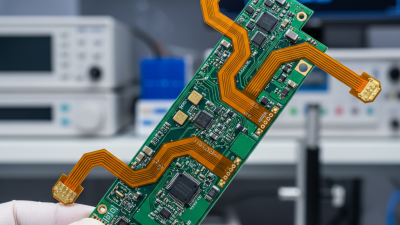
10 Essential Tips for Understanding PCB Rigid Flex Technology?
In the rapidly evolving world of electronics, understanding PCB rigid flex technology is crucial. Renowned expert Dr. Emily Chen states, “PCB rigid flex allows for innovative designs that traditional boards cannot achieve.” This insight emphasizes the unique advantages of integrating rigid and flexible materials.
Rigid flex PCBs have revolutionized many industries, including aerospace and medical devices. Their ability to save space and reduce weight is unmatched. However, their design and manufacturing require specific knowledge. Not all engineers are familiar with the nuances of this technology. Mistakes can lead to costly errors and project delays. Companies must invest in training and knowledgeable staff to navigate these challenges effectively.
As the demand for compact and efficient designs grows, mastering PCB rigid flex technology becomes essential. It's not just about learning the basics; professionals must understand the complexities involved. Taking the time to explore this area can lead to successful innovation. Embracing the unpredictable nature of technology can drive engineers to find better solutions.
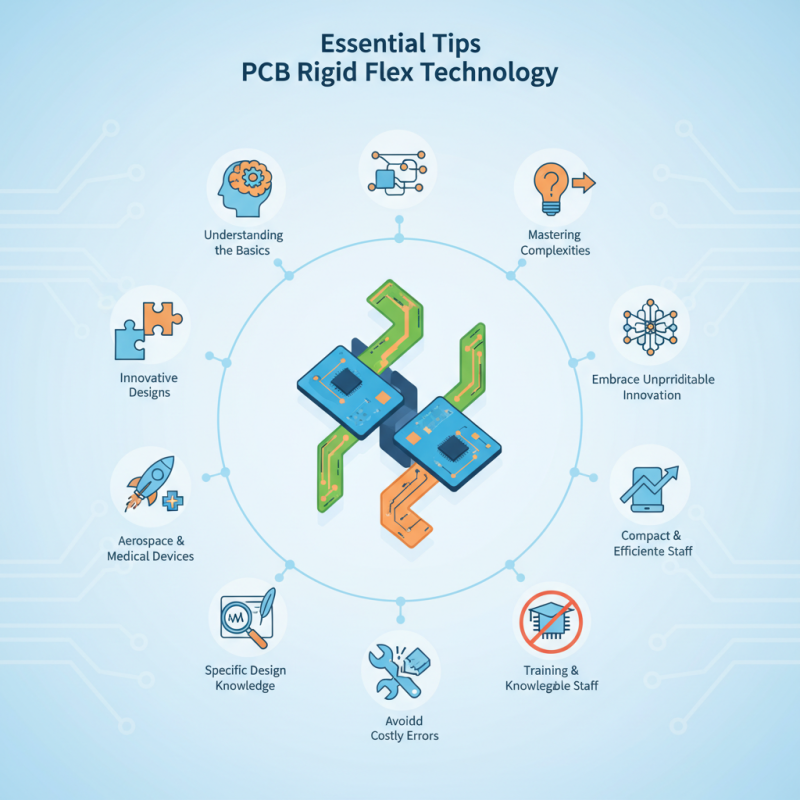
Introduction to Rigid Flex Technology in PCBs
Rigid flex technology combines the best traits of rigid and flexible PCBs. This innovative approach allows for complex shapes and compact designs, enhancing device performance. It uses a blend of flexible and rigid materials, creating circuits that can bend and twist. This adaptability is crucial for modern electronics, where space is often limited.
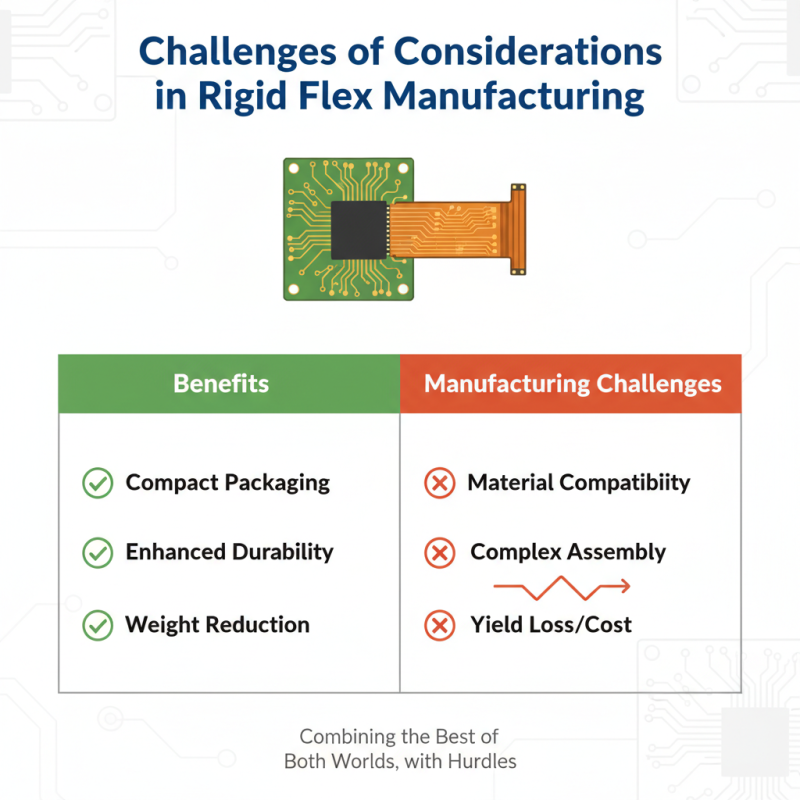
Manufacturing rigid flex PCBs demands precision. Understanding the materials involved is key. They include flexible polyimide and rigid FR4. Designers must ensure proper bonding of these materials. Overlooking this aspect can lead to failures. Engineers face challenges like managing heat dissipation and stress. Every decision impacts reliability and efficiency in real-life applications.
Rigid flex PCBs are often used in medical devices, aerospace, and consumer products. Their performance in demanding environments is notable. However, testing these boards is complex. Inconsistent results can arise from various factors. Hence, continual evaluation is crucial to improve designs. Understanding these intricacies can lead to more reliable electronics in the future.
Key Components of Rigid Flex PCB Designs
Rigid flex PCBs combine the benefits of both rigid and flexible circuits. Understanding their key components is vital for effective design. These boards typically consist of a flexible substrate, often polyimide, combined with rigid laminates. The flexible parts allow movement and bending, which can reduce stress on connections.
Another primary component is the adhesive used to bond layers together. This material must be durable and withstand temperature fluctuations. Layer stacking is also crucial. It affects the final product's performance and integrity. Proper design must account for the thickness of each layer to maintain functionality.
Despite their advantages, rigid flex PCBs can present challenges. Designing for space efficiency while ensuring reliability is often difficult. Additionally, manufacturing issues can arise if the layers do not align perfectly. Each component must be meticulously planned to avoid potential failures in the final product.
Benefits of Rigid Flex PCBs in Modern Electronics
Rigid flex PCBs have become a cornerstone in modern electronics. Their unique combination of rigid and flexible circuits offers significant advantages. According to a recent market report, the rigid flex PCB market is projected to reach $21.48 billion by 2026, growing at a CAGR of 10.4%. This growth is fuelled by the increasing demand for miniaturization in electronic devices.
One of the primary benefits of rigid flex technology is its ability to save space. Integrating rigid and flexible components allows for complex designs in tighter spaces. This is especially beneficial in industries like aerospace and medical devices, where space is critical. Moreover, rigid flex PCBs contribute to innovative design possibilities. However, the manufacturing process can sometimes lead to challenges such as higher production costs and potential reliability issues. Tests have shown that flex circuits can outperform traditional options in certain applications, yet this can vary based on the specific design.
In addition to space savings, rigid flex PCBs are known for their durability. They can withstand bending and twisting, making them ideal for portable devices. A study found that rigid flex designs can reduce assembly time by as much as 30%. Despite these advantages, manufacturers must also navigate potential thermal management issues. Balancing performance with durability and manufacturability continues to be an area for growth in this evolving field.
Benefits of Rigid Flex PCBs in Modern Electronics
Applications of Rigid Flex Technology Across Industries
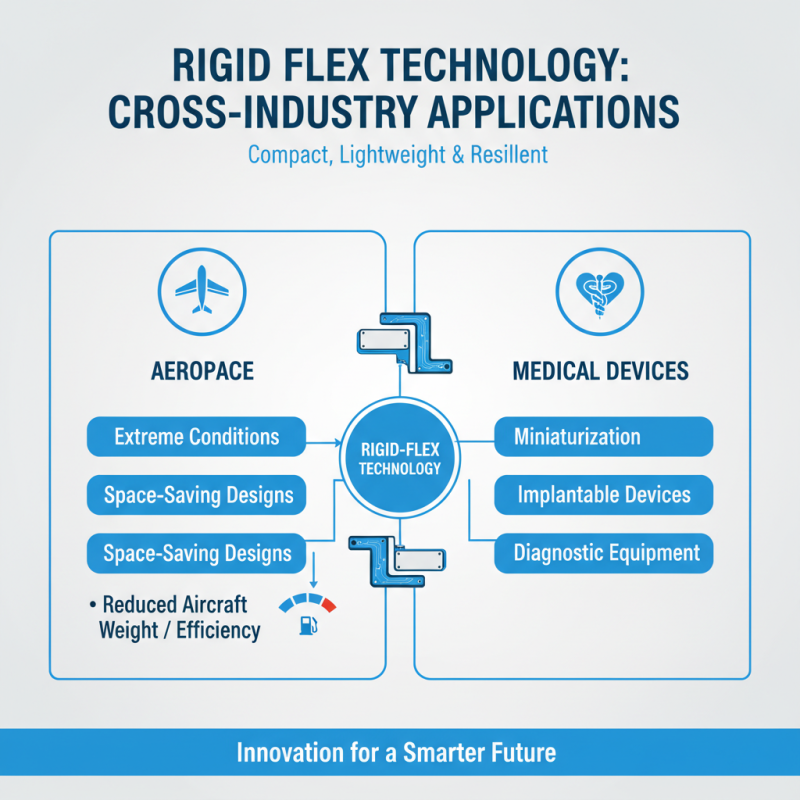
Rigid flex technology has revolutionized various industries by combining the benefits of rigid and flexible printed circuit boards. This innovation allows for compact designs and reduced weight, making it ideal for applications in aerospace and medical devices. In aerospace, rigid flex designs respond to extreme conditions while saving space. Their lightweight nature contributes to the overall efficiency of aircraft.
In the medical field, this technology is essential for portable devices. Wearable sensors often need to conform to challenging shapes. Rigid flex solutions meet this requirement, enhancing user comfort. However, the complexity of design can pose challenges. Engineers must ensure the durability of these circuits under stress. This requires careful consideration of materials and construction methods.
Moreover, consumer electronics, such as smartphones and tablets, increasingly adopt rigid flex circuits. The need for slimmer profiles pushes designers to innovate continuously. Yet, balancing cost and performance remains a challenge. Prototyping may expose inadequacies in initial designs, prompting revisions. It’s a learning process that demands attention to detail and collaboration among teams. Engaging in iterative testing is crucial for success in this competitive landscape.