Flexible Rigid PCB Best Solutions for Your Manufacturing Needs?
The world of electronics is evolving rapidly, and flexible rigid PCBs are at the forefront of innovation. Renowned expert Dr. Emily Chen, a leading figure in PCB technology, states, "Flexible rigid PCBs offer unmatched versatility and efficiency in modern manufacturing." With their ability to bend, twist, and maintain functionality, these components meet the demands of compact and intricate device designs.
Manufacturers are increasingly turning to flexible rigid PCBs for various applications. They provide a unique combination of rigid and flexible circuits, optimizing space and enhancing performance. However, selecting the right materials and processes can be challenging. Many companies struggle with balancing flexibility and structural integrity. A misstep in this area can lead to increased costs and production delays.
As the industry grows, it is vital to stay updated on the latest advancements in flexible rigid PCB technology. A lack of knowledge can hinder a company's ability to compete effectively. Therefore, investing in ongoing education and training in this field is essential for success. The right solutions can lead to significant improvements in their product offerings.
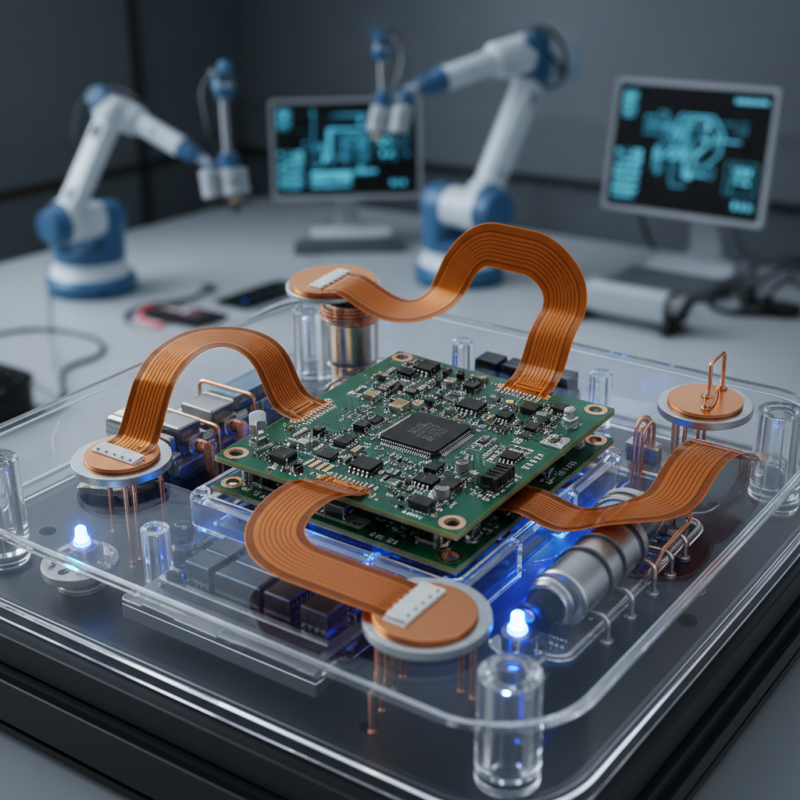
Understanding Flexible Rigid PCBs and Their Advantages in Manufacturing
Flexible rigid printed circuit boards (PCBs) are gaining popularity in the manufacturing sector. These boards combine flexibility and rigid structural support, making them ideal for various applications. According to a 2022 industry report, the flexible PCB market is projected to grow at a CAGR of 10.6%, indicating significant advancements in this technology.
Manufacturers are increasingly opting for flexible rigid PCBs due to their compact designs and durability. They allow for complex circuit layouts and enable better heat dissipation. A recent study showed that companies using flexible rigid PCBs reported a 25% reduction in assembly errors. This is crucial in production environments where precision is vital.
Tip: When choosing flexible rigid PCBs, assess your specific application requirements. Consider factors like size, weight, and environmental conditions. Opting for a modular approach can also improve flexibility in your design process.
However, challenges exist. Flexible rigid PCBs can be more expensive than traditional options. Additionally, their manufacturing process can be complex, requiring skilled operators. A 2023 survey indicated that 32% of manufacturers faced difficulties in production scalability due to these factors. It's important to weigh these considerations while exploring the potential benefits of flexible rigid PCBs.
Tip: Collaborate with experienced manufacturers who understand the nuances of flexible rigid technology. This can help mitigate risks and enhance production efficiency.
Advantages of Flexible Rigid PCBs in Manufacturing
Key Applications of Flexible Rigid PCBs in Various Industries
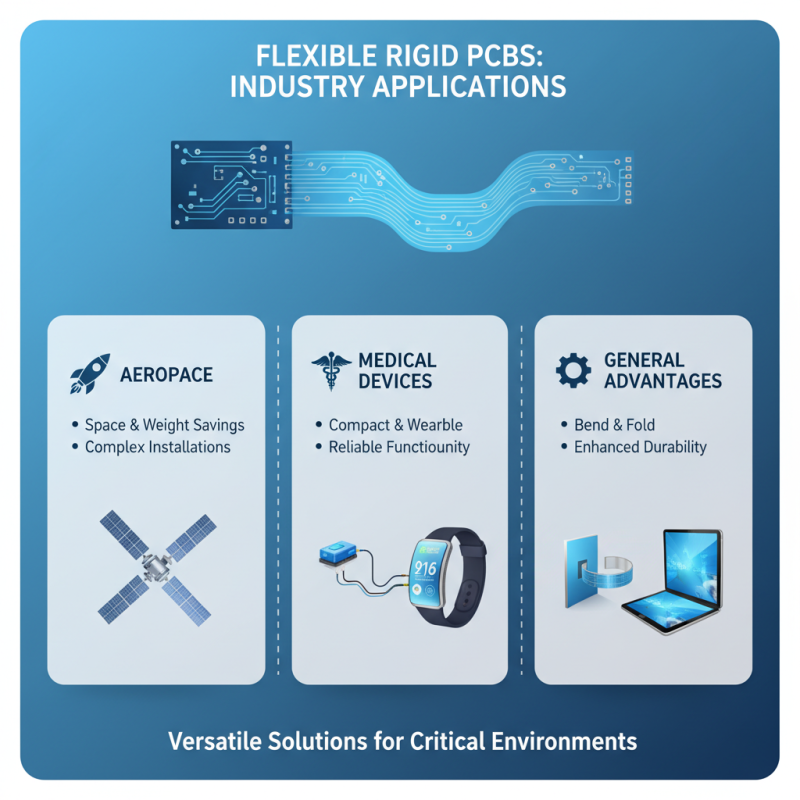
Flexible rigid printed circuit boards (PCBs) offer versatile solutions across various industries. Their ability to bend and fold without compromising function is vital for many applications. These PCBs are especially useful in the aerospace and medical sectors, where space and weight are critical factors. Their advanced capabilities facilitate smoother installations in compact and complex environments.
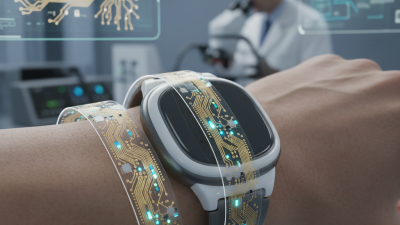
In automotive electronics, flexible rigid PCBs support advanced driver-assistance systems (ADAS). They adapt easily to the intricate designs of modern vehicles. This adaptability enhances both performance and safety features. In consumer electronics, they contribute to slimmer devices. Tablets and smartwatches greatly benefit from their compact profiles.
Tip: Consider your specific needs when selecting a PCB. Evaluate the balance between flexibility and rigidity for your application.
In the telecommunications sector, flexible rigid PCBs enable high-speed data transfer. They play a crucial role in 5G technology by supporting multiple antennas and components. The challenge lies in ensuring reliability under varying environmental conditions. Testing for durability is essential to avoid future failures.
Tip: Always prioritize comprehensive testing. It can save time and costs in the long run.
Embracing innovative PCB designs can streamline production. However, identifying the right solution can be complex. Reflecting on project requirements early helps minimize costly alterations later.
Choosing the Right Materials for Flexible Rigid PCB Production
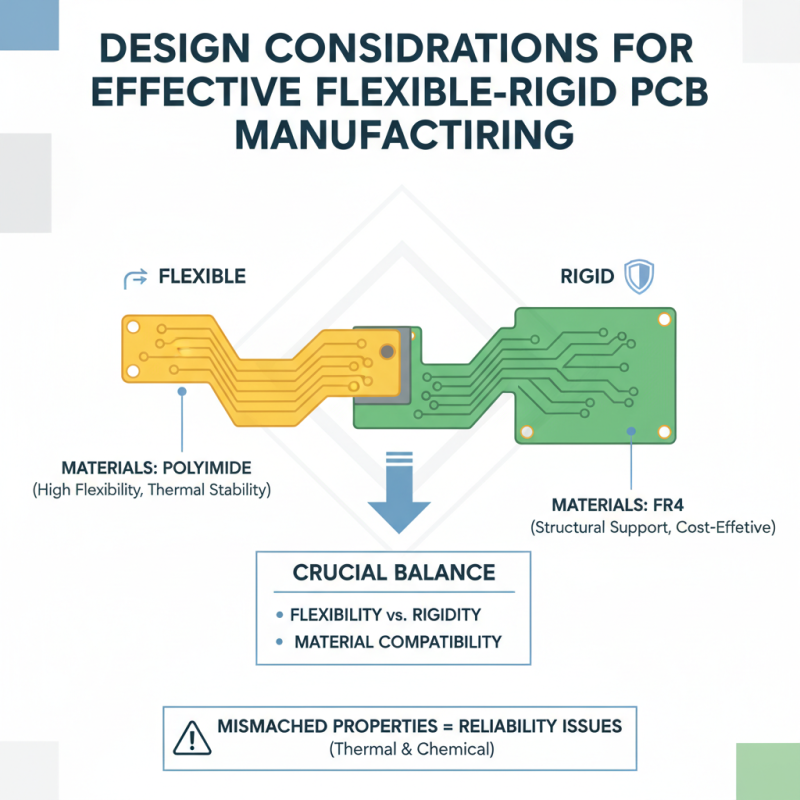
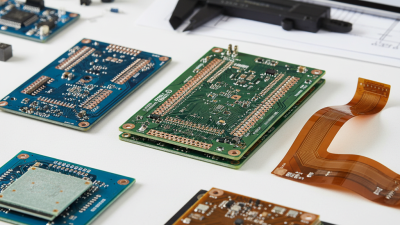
Choosing the right materials for flexible rigid PCB production is crucial. The structure and function of these boards can vary widely based on material types. Commonly used materials include polyimide for flexibility and FR-4 for rigidity. Each material has its pros and cons. Polyimide offers excellent thermal stability but is expensive. FR-4 is cost-effective but lacks the flexibility needed for intricate designs.
When selecting materials, consider factors like the intended application and environmental conditions. Harsh environments necessitate durable materials that can withstand moisture and temperature fluctuations. Not all designs translate well with every material. Some prototypes may fail in real-world tests, revealing shortcomings in the chosen materials. This necessitates a reflection on material choices for better outcomes.
Experimentation with different combinations can yield surprising results. For instance, mixing materials may enhance performance in unique ways. However, this may complicate manufacturing processes. Balancing flexibility and rigidity requires careful thought. It's essential to document failures and successes to refine future selections. Remember, the journey to the best PCB solution often involves trial and error.
Flexible Rigid PCB Best Solutions for Your Manufacturing Needs?
| Material Type |
Flexibility Rating |
Thermal Stability (°C) |
Dielectric Constant |
Cost ($/m²) |
| FR-4 |
Moderate |
130 |
4.5 |
40 |
| Polyimide |
High |
200 |
3.6 |
80 |
| PET |
Low |
100 |
3.2 |
30 |
| CEM-3 |
Moderate |
125 |
4.2 |
35 |
| Rogers 4350 |
High |
300 |
3.0 |
150 |
Cost-Effectiveness and Sustainability in Flexible Rigid PCB Solutions
The demand for flexible rigid PCB solutions is growing. Their unique structure allows for complex designs. Many manufacturers seek cost-effectiveness and sustainability in their production processes. According to recent reports, flexible rigid PCBs can reduce assembly costs by up to 30%. This figure highlights their appeal in modern electronics.
Sustainability is another critical aspect. Data from industry studies show that flexible rigid PCBs typically require fewer materials than traditional PCBs. This approach leads to less waste in the manufacturing process. However, challenges remain. Not all manufacturers are equipped to handle the specialized materials and processes involved. Additionally, the initial investment can be daunting for some companies.
Despite these hurdles, the potential for energy savings exists. A recent report noted that flexible rigid PCBs could contribute to a 20% reduction in energy consumption during operation. This not only benefits manufacturers but also aligns with global sustainability goals. As the industry evolves, finding the right balance between cost, efficiency, and environmental impact will be crucial.