What is Flotation Equipment and How Does it Work?
Flotation Equipment plays a crucial role in mineral processing. It is essential for separating valuable minerals from unwanted materials. This process is widely used in the mining industry. Many professionals rely on flotation equipment to enhance recovery rates.
The technology involves several key components. Tanks, agitators, and air diffusers are vital parts of the system. They work together to create bubbles that attach to minerals. These bubbles help lift the minerals to the surface. This separation technique is both effective and efficient. However, the performance can vary depending on multiple factors.
Many users face challenges in optimizing flotation performance. Issues such as bubble size and flotation time require careful consideration. It is vital to reflect on these factors to improve results. Understanding how flotation equipment functions can lead to better decision-making. Awareness of its limitations also fosters innovation in the industry.
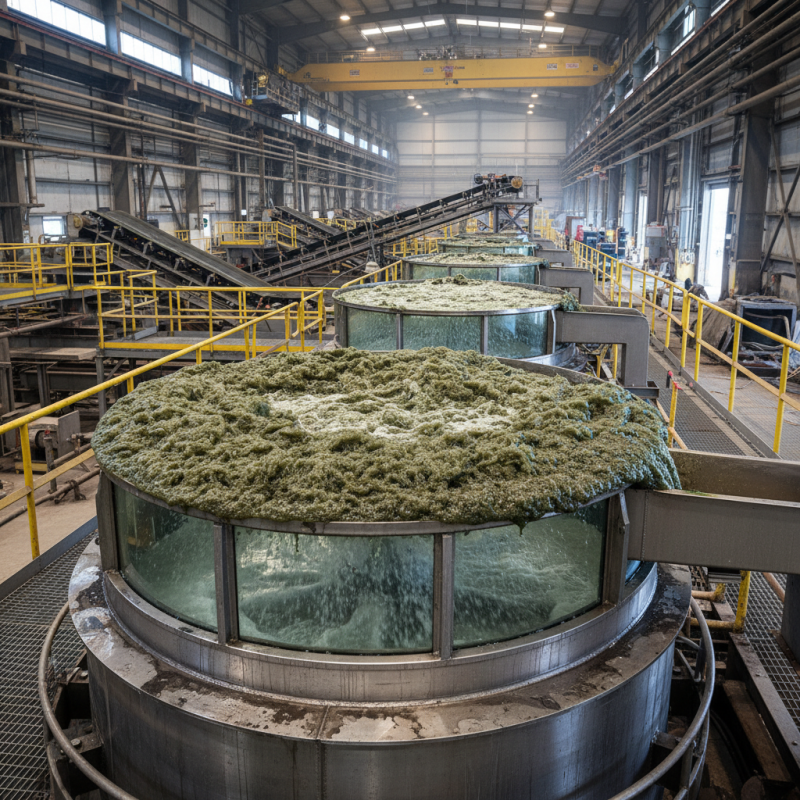
Definition and Overview of Flotation Equipment
Flotation equipment plays a vital role in the mining and mineral processing industries. It separates valuable minerals from their ores using bubbles. The basic principle involves introducing air into a slurry mixture, which helps separate minerals based on their hydrophobic properties. Each component's design can greatly influence the efficiency of the separation.
When assessing flotation equipment, observe the material flow and bubble interactions. The size of bubbles can impact the separation process. Smaller bubbles often yield better results in capturing fine particles. Nevertheless, it can be challenging to find the ideal balance. Some operators may prioritize speed over efficiency, which can lead to subpar results.
Tips: Always monitor the chemical additives used in the flotation process. They enhance mineral separation but can affect bubble stability. Regularly test the performance to ensure optimal operations. Another consideration is equipment maintenance; worn-out parts can severely impair the flotation process. Keeping a close eye on these elements can significantly enhance productivity and recovery rates.
Principles of Flotation Process in Mining and Mineral Processing
Flotation process is a critical technique in mining and mineral processing. This process enables the separation of valuable minerals from waste rock. According to industry reports, flotation contributes to about 90% of the total recovery of sulfide minerals. The flotation process relies on the differences in surface properties of minerals.
Air bubbles are introduced into a slurry of ground ore. These bubbles selectively attach themselves to certain particles. Hydrophobic particles cling to the bubbles, rising to the surface. Frothers are often used to stabilize these bubbles. This mechanism allows for the efficient collection of targeted minerals. However, not all particles will float, leading to challenges in maximizing recovery.
Several factors impact flotation efficiency. Particle size, pH levels, and reagents used play significant roles. For instance, smaller particles may not attach effectively to bubbles. Additionally, the presence of impurities can hinder mineral separation. Continuous improvement in flotation techniques is essential. Addressing these variables can lead to enhanced efficiency and higher mineral yields.
What is Flotation Equipment and How Does it Work?
| Equipment Type | Function | Typical Applications | Key Features |
| Flotation Cell | Separates minerals from gangue using air bubbles | Copper, Gold, and Lead Ore Processing | Efficient aeration and mixing capabilities |
| Column Flotation | Enhances separation efficiency via a vertical column | Coal and Phosphate Processing | High throughput and better recovery rates |
| Flotation Machine | Generates stable froth for flotation | Zinc and Nickel Processing | Versatile design for various processing conditions |
| Agitair Flotation Cells | Mixes chemicals with slurry for optimal flotation | Sulphide Mineral Separation | Low maintenance and easy operation |
| Dissolved Air Flotation (DAF) | Removes suspended solids from water | Wastewater Treatment | Compact design with efficient separation |
Types of Flotation Equipment and Their Applications
Flotation equipment plays a vital role in the mining and mineral processing industries. Various types cater to different needs. Mechanical flotation cells are among the most common. They facilitate the separation of valuable minerals from ore using air bubbles. According to a report by Grand View Research, the flotation equipment market is expected to grow at a compound annual growth rate (CAGR) of 4.5% from 2021 to 2028. This growth reflects increasing investments in mining activities globally.
Column flotation cells are another essential type. They provide efficient separation for fine particles. These cells utilize a counter-current flow of water to enhance purification. In a study published by the International Journal of Mineral Processing, it was noted that column flotation could increase the recovery rates by up to 15% compared to traditional methods. However, challenges exist. Adjusting operational parameters can be complex, influencing overall performance.
The use of flotation in wastewater treatment is noteworthy. Dissolved air flotation (DAF) systems remove contaminants effectively. The efficiency of DAF systems can reach up to 95% for certain pollutants. Nevertheless, inconsistent results can arise from varying water chemistry. Operators must continually monitor the system to achieve optimal efficiency. Understanding these nuances is key to improving flotation processes.
Flotation Equipment Types and Applications
This bar chart illustrates the various types of flotation equipment and their applications in different industries. The data represents potential usage in mining, wastewater treatment, and chemical processing.
Key Components of Flotation Systems and Their Functions
Flotation equipment is essential in industries like mining and wastewater treatment. Key components of flotation systems include the flotation cell, aerator, and control systems. The flotation cell is the heart of the operation. It contains the mixture of water, chemicals, and minerals. Inside, air is introduced to create bubbles, which attach to particles, helping them rise to the surface.
The aerator is crucial for generating the bubbles. It effectively disperses air into the slurry. A well-functioning aerator ensures that the right amount of air is mixed with the liquid. This is important for optimal flotation. Control systems allow operators to monitor conditions like temperature and pH levels. They help maintain efficiency and respond to changes in the feed material.
**Tip:** Regular maintenance of these components can improve performance and longevity. Operators should keep an eye on bubble sizes. If they are too large or inconsistent, flotation may be affected.
**Tip:** Experiment with different chemical additives. They can influence particle attachment and separation efficiency. Understanding your material's characteristics can lead to better outcomes.
Factors Influencing the Efficiency of Flotation Equipment
Flotation equipment is essential in various industries, especially mining. Its efficiency largely depends on several key factors. One major aspect is the type of reagents used. These chemicals aid in bubble formation and mineral separation. However, choosing the wrong reagent can reduce effectiveness significantly. Understanding the chemical interactions can be complex yet crucial.
Another important factor is the design of the flotation cell. The dimensions and layout affect the movement of material and bubbles. A poorly designed cell may lead to inadequate separation. The turbulence created inside the cell impacts the retention time of particles. This, in turn, can influence overall recovery rates.
Operator expertise plays a critical role as well. A skilled operator can adjust parameters like air flow and pulp density in real time. However, even experienced operators can miscalculate settings, leading to lower performance. Regular training and updates on best practices are essential. Flotation efficiency does not rely on one aspect alone. It is the interplay of various elements that create a successful flotation process.