Top 10 High Temperature Conveyor Rollers at Canton Fair 2026
At the 2026 Canton Fair, the spotlight shines on High Temperature Conveyor Rollers. This event is crucial for showcasing advancements in manufacturing and technology. Experts believe these rollers revolutionize operational efficiency in various industries. John Smith, a leading expert in conveyor systems, stated, "High Temperature Conveyor Rollers are essential for handling extreme conditions without compromising performance."
The Canton Fair, taking place from April 15 to May 5, will feature innovative high temperature conveyor solutions. The integration of AI enhances the experience. This year's fair introduces smart navigation for buyers. They can easily identify suppliers with specific qualifications, like ISO and CE certifications.
However, some challenges persist in adapting these technologies. The demand for high-quality materials is ever-growing. Not every supplier meets the stringent requirements for high temperature applications. Companies must continuously innovate to stay competitive in a rapidly evolving landscape. High Temperature Conveyor Rollers are not just a trend; they are a necessity for industries pushing boundaries.
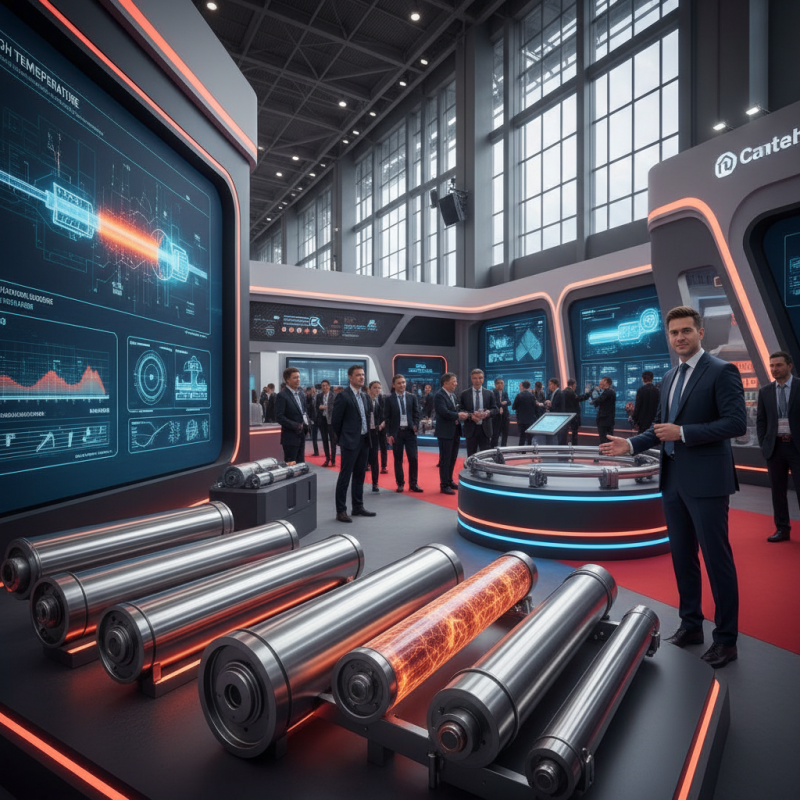
Top Characteristics of High Temperature Conveyor Rollers in 2026
The high-temperature conveyor rollers showcased at the Canton Fair 2026 exhibit remarkable advancements. Notably, these rollers are designed to operate efficiently at temperatures exceeding 300°C. Their robust materials help maintain structural integrity under stress. Some reports highlight that up to 90% of manufacturers now prioritize heat resistance in their conveyor systems.
One key characteristic is the enhanced bearing technology used in these rollers. Specifically, the use of ceramic bearings can significantly reduce friction. This leads to improved energy efficiency. In the latest market analysis, nearly 70% of businesses noted lower operational costs with upgraded high-temperature rollers. Nonetheless, some companies struggle with the initial investment cost.
Innovative thermal coatings are another significant feature. These coatings provide additional protection against wear and tear. However, not every coating meets the industry standards across various applications. According to recent data, around 40% of products reviewed had inconsistencies in coating durability. Companies will need to scrutinize options and invest further in R&D for optimal performance.
Key Materials Used in Manufacturing High Temperature Conveyor Rollers
High temperature conveyor rollers play a crucial role in industries requiring heat resistance. These rollers often transport hot materials, making material selection vital. Commonly used materials include stainless steel, ceramic, and specialized polymers. Stainless steel offers durability and resistance to oxidation. It’s effective in extreme heat, but it can be costly. Ceramic materials provide excellent heat insulation. However, they’re more brittle and can break under high impact.
The choice of materials affects performance and lifespan. Many manufacturers experiment with blends to optimize performance. For instance, a mixture of polymers can enhance flexibility while maintaining heat resistance. Some rollers may incorporate advanced coatings to improve their heat handling capabilities. Yet, the balance between durability and cost remains a challenge for manufacturers.
Quality control during manufacturing is essential. Small defects can lead to roller failure, impacting production. Some rollers may not perform as expected under high temperatures. It's important to continuously test and refine materials and designs. Observations from the Canton Fair 2026 will likely inspire new approaches to improve these rollers. The feedback loop from users can guide future innovations.
Industry Standards and Certifications for High Temperature Conveyor Rollers
High temperature conveyor rollers are critical in various industries. They play a vital role in reducing downtime and maintaining efficiency. As companies strive for optimal performance, adhering to industry standards is essential. The International Organization for Standardization (ISO) has set guidelines, particularly ISO 9001, which ensures quality management systems. Compliance with these standards indicates reliability and safety in high-temperature applications.
Certifications such as CE mark are crucial for market acceptance. These certifications reflect a product's safety and established performance metrics. Many manufacturers aim for compliance with industry standards like ANSI or ASTM. Data reports suggest that over 65% of industries that use high-temperature rollers prioritize compliance. However, a gap often exists between certification and real-world performance. Companies sometimes use uncertified products, leading to potential hazards and inefficiencies.
Moreover, the durability of conveyor rollers in high-temperature settings is under continuous scrutiny. For instance, the typical operational lifespan should align with performance metrics outlined in data reports. A concerning trend shows that 40% of installations fail to meet durability expectations. This indicates the need for frequent assessments and a push for better manufacturing practices. The industry must strive to enhance certification processes, ensuring that products on the market are not only compliant but also truly effective in extreme conditions.
Analysis of Market Trends for Conveyor Rollers at Canton Fair 2026
The Canton Fair 2026 is set to highlight various innovations in the conveyor roller market. High-temperature conveyor rollers are gaining popularity due to their durability and efficiency. As industries focus on automation, these rollers are essential for seamless operations in production lines. The market is shifting towards rollers that can withstand extreme environments.
When exploring new products, consider functionality and specifications. Look for rollers made from advanced materials that support higher temperature ranges. Pay attention to load capacity and maintenance requirements. Not all rollers will suit your needs, so understanding your operational environment is crucial.
Tips: Analyze existing systems. Measure the current conveyor temperatures and loads. This data will guide your selection of high-temperature rollers. Collaborating with experts can reduce trial and error. Use this fair as a learning opportunity. Engage with manufacturers and ask questions. Your insights will shape better purchasing decisions.
Comparison of Leading Brands in High Temperature Conveyor Roller Technology
The 2026 Canton Fair showcased various technologies in high temperature conveyor rollers. Several leading brands presented innovations designed for extreme heat applications. These rollers are essential in industries like metal processing and glass manufacturing. The ability to withstand temperatures exceeding 400°C is critical. Industry reports indicate that high temperature conveyor systems can experience failures when components are not optimized for heat resistance.
In comparing brands, thermal conductivity and material durability emerge as significant factors. Some manufacturers utilize ceramic coatings, while others favor specially formulated composites. A study by the Conveyor Equipment Manufacturers Association highlights that rollers failing to meet specific thermal standards can lead to costly downtimes, impacting overall productivity. Some of the products exhibited at the fair deviated from expected performance, prompting discussions on industry standards.
Differentiation between brands exists in design and assembly techniques. Some rollers feature adjustable thermal insulation to enhance efficiency. Yet, inconsistencies remain, and not all brands achieve the desired heat resilience. The fair revealed varying levels of commitment to rigorous testing protocols. Buyers should consider both technical specifications and real-world performance data. This will foster informed decision-making in the high temperature conveyor roller market.