Top Hot Dip Galvanized Steel Pipe Trends at Canton Fair 2026?
As the 139th Canton Fair approaches, the spotlight is on the "Hot Dip Galvanized Steel Pipe" market. This pivotal event will take place from April 15 to May 5, 2026. The fair will showcase advanced manufacturing and new materials, making it a significant platform for industry innovation. Industry experts underscore the rising demand for Hot Dip Galvanized Steel Pipes, which are favored for their corrosion resistance and durability.
Dr. James Thompson, a leading expert in materials engineering, highlights, "The growth in infrastructure projects drives the demand for Hot Dip Galvanized Steel Pipes." His insights reflect a broader trend supported by reports indicating that the global market for galvanized pipes is projected to grow significantly. Recently, the market is expected to reach $7.2 billion by 2027, with an annual growth rate of 4.5%.
Despite these promising trends, challenges remain. Suppliers must meet strict standards like ISO and CE certifications. Enhanced efficiency in sourcing will be crucial, especially with the Canton Fair's introduction of AI-driven navigation features. These technologies promise to streamline the procurement process, yet reliance on technology presents its own set of concerns. The focus will be on balancing innovation and quality in a competitive landscape.
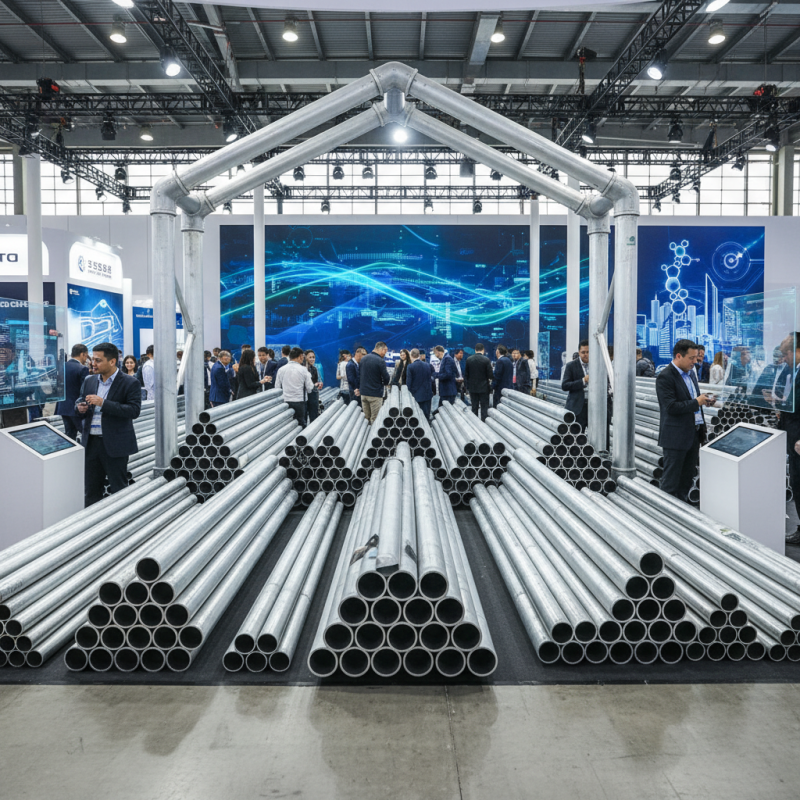
Emerging Technologies in Hot Dip Galvanized Steel Pipes for 2026
The upcoming Canton Fair in 2026 promises to showcase exciting trends in hot dip galvanized steel pipes. Emerging technologies are leading the way in innovation. These advancements focus on improving corrosion resistance and enhancing durability. A new coating application process is being explored. This process ensures a uniform layer of zinc. It is crucial for the longevity of the pipes.
Sustainability is becoming a priority in manufacturing. Recycled materials are increasingly used in production. Manufacturers are exploring eco-friendly methods. These methods reduce environmental impact. However, this shift can be challenging. Not every company is prepared to adapt efficiently.
Tips for navigating these changes: Stay updated on production methods. Engage with suppliers who prioritize sustainability. Evaluate the benefits of new technologies to your business. Join discussions at the fair to broaden your perspective. Embracing change is key, though it might require some uncomfortable adjustments. Be ready to rethink traditional approaches.
Top Hot Dip Galvanized Steel Pipe Trends at Canton Fair 2026
| Trend | Description | Expected Impact | Year of Adoption |
| Improved Coating Technologies | Utilizing advanced electrochemical processes for more durable coatings. | Increased corrosion resistance and lifespan. | 2026 |
| Sustainability Practices | Adopting recycling methods and sustainable production techniques. | Reduction in carbon footprint and waste generation. | 2026 |
| Smart Pipe Monitoring | Integration of sensors for real-time monitoring of pipe conditions. | Enhanced safety and proactive maintenance. | 2026 |
| Enhanced Welding Techniques | Implementation of robotic welding for precision and speed. | Improved seam strength and reduced production time. | 2026 |
| Lightweight Materials | Development of lighter alloys and composite materials for pipes. | Lower transportation costs and easier installation. | 2026 |
Sustainability Practices in the Production of Galvanized Steel Pipes
Sustainability in the production of galvanized steel pipes is becoming increasingly important. Many manufacturers are adopting eco-friendly practices. This includes using recycled materials and reducing waste. The goal is to minimize the overall environmental impact.
Some companies are exploring innovative methods to reduce energy consumption. They implement energy-efficient machinery and alternative power sources. These changes can lead to significant reductions in carbon emissions. However, the transition is not always straightforward. There are challenges in balancing cost and sustainability. Industries often struggle with initial investment costs.
Additionally, improving the life cycle of galvanized steel pipes is crucial. Better coatings could enhance durability and reduce corrosion. This, in turn, might decrease the need for replacements. Nonetheless, this requires ongoing research and collaboration among industry stakeholders.
Adopting best practices is essential, but the journey is filled with hurdles. Sustainable practices must evolve continually to meet changing regulations and consumer expectations.
Market Demand Trends for Galvanized Steel Pipes at Canton Fair 2026
The demand for hot dip galvanized steel pipes is increasing steadily at trade shows like the Canton Fair. In 2026, industry reports indicate a rise in construction projects, boosting the need for durable materials. Analysts predict a 15% growth in the galvanized steel pipe sector over the next few years.
In this evolving market, galvanized steel offers extensive protection against corrosion. This feature makes it highly desirable for outdoor applications, such as fencing and infrastructure. However, some industry experts express concerns about the environmental impact of galvanization processes. Are manufacturers doing enough to mitigate these effects? The balance between demand and sustainability is critical.
Market trends show a shift towards innovation. New technologies are improving the efficiency of galvanized products. However, there are still areas that need improvement. For instance, quality control in some regions is inconsistent. This can lead to varying product durability, presenting challenges for buyers. Those attending the Canton Fair will need to navigate these complexities effectively.
Comparative Analysis of Domestic and International Suppliers in 2026
As the Canton Fair 2026 approaches, the focus on hot dip galvanized steel pipes is intensifying. Domestic suppliers are showcasing their products, emphasizing cost-effectiveness. They often highlight local availability. Meanwhile, international suppliers present their innovative technologies. Their advanced processes could offer better durability and quality.
However, the comparison reveals gaps. Domestic suppliers sometimes lack the latest technology. Their manufacturing techniques may not meet international standards. This disparity raises questions about competitiveness. Buyers must consider whether lower prices justify potential quality issues.
Standards of customer service also vary. Domestic suppliers may have shorter response times. However, international suppliers often offer comprehensive warranties. This difference in support can influence purchasing decisions. Attendees at the fair will need to weigh these factors. Each choice has its own risks and rewards. A careful comparison is essential for making an informed decision.
Innovative Applications of Hot Dip Galvanized Steel Pipes in Construction
Hot dip galvanized steel pipes are transforming construction. They offer robust corrosion resistance. This feature extends their lifespan significantly. Builders favor these pipes for structural support and plumbing systems. They are especially useful in outdoor constructions. The zinc coating protects against harsh weather conditions.
Applications are expanding rapidly. Innovative designs integrate these pipes into modern architecture. They can be seen in railings and frameworks. Creative constructions often use them in unusual shapes. This versatility raises aesthetic appeal. However, some issues arise with adaptability. Not all projects leverage the pipes' strengths effectively.
Even with advantages, challenges persist. Workers need proper training to install these pipes correctly. Misalignment can lead to structural failures. Project planners must evaluate their choices thoroughly. Embracing hot dip galvanized steel pipes requires careful consideration. Balancing the benefits and risks is vital for success.
Top Hot Dip Galvanized Steel Pipe Trends at Canton Fair 2026
This chart illustrates the innovative applications of hot dip galvanized steel pipes in construction, showcasing the percentage of usage across various sectors.