Why Can Ends Improve Your Business Procurement Process?
In today’s competitive landscape, businesses constantly seek ways to enhance their procurement processes. One innovative approach is the concept of “Can Ends.” This strategy focuses on clear objectives and desired outcomes, providing a framework to streamline operations. Implementing Can Ends can lead to faster decision-making and improved supplier relationships.
Many companies struggle with inefficiencies in procurement. They often lack defined goals, leading to wasted resources. By prioritizing what can be achieved through the Can Ends approach, organizations can sharpen their focus. This clarity fosters accountability among team members and ensures alignment with overall business objectives. Companies like yours must embrace this shift to thrive.
Adopting the Can Ends strategy requires a willingness to reflect on existing practices. Businesses should analyze current procurement processes critically. Identifying gaps and potential improvements is essential. While challenges may arise during implementation, the long-term benefits can significantly enhance operational efficiency.
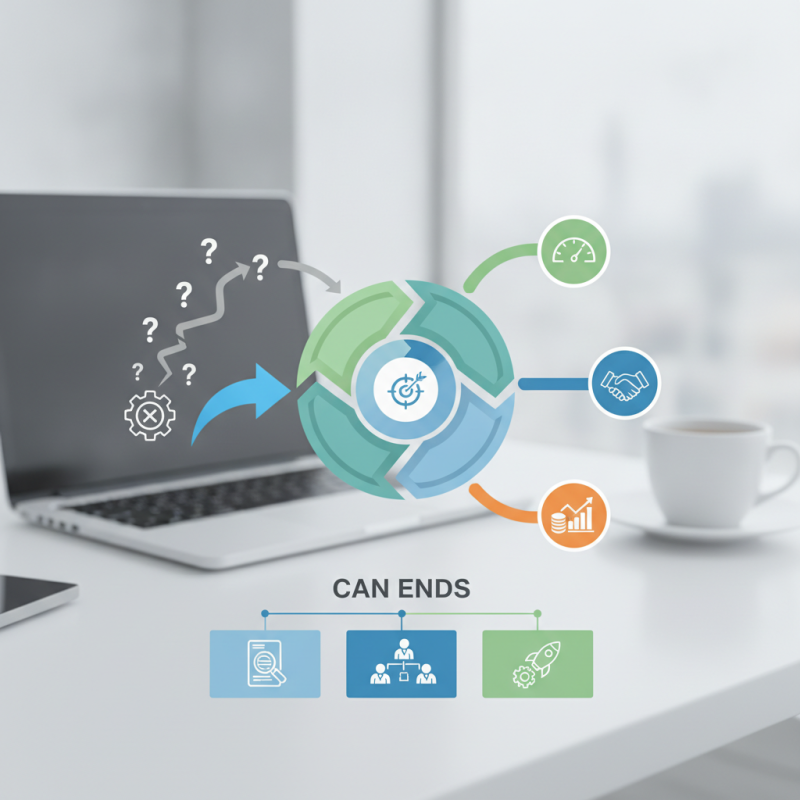
Understanding the Concept of Ends in Procurement Processes
Understanding the concept of ends in procurement processes is essential for boosting efficiency. Ends refer to the final goals or outcomes you aim to achieve through procurement. Clarity in these goals guides decision-making. When procurement managers establish clear ends, it streamlines communications among teams. A well-defined end can also make supplier selection more straightforward.
However, defining ends is not always simple. Often, organizations face challenges in determining what their actual goals are. Teams might have differing opinions, leading to conflicts. Aligning these ends requires collaboration and iterative discussions. This process can reveal underlying issues within the organization, and thus, it requires deep reflection. Identifying the ends is a continuous journey, not a one-time task.
Once established, these ends influence every stage of the procurement process. They shape strategies and metrics for success. This direct focus on outcomes can help improve supplier negotiations. Yet, procurement teams must remain flexible. Market conditions and organizational needs can shift. Regular reassessments of ends ensure that procurement remains relevant and effective.
Identifying Key Benefits of Focusing on Ends in Procurement
In procurement, focusing on ends can significantly enhance your business processes. When companies align their procurement strategies with desired outcomes, they often see measurable improvements. According to a 2022 report by the Procurement Institute, organizations prioritizing end goals in procurement experience a 30% reduction in costs. This approach shifts the focus from merely acquiring goods to understanding the ultimate purpose of those acquisitions.
Clarity in objectives not only fosters better supplier relationships, but it also encourages innovation. For instance, companies practicing outcome-based procurement reported a 25% increase in supplier performance, as highlighted in the 2023 Supply Chain Management Review. When suppliers know their contributions directly impact the company’s end goals, they are more likely to invest in quality improvements.
**Tips:** Evaluate your procurement goals regularly. Set clear, measurable objectives that align with your business outcomes. Encourage communication with suppliers and share your end goals. This openness can lead to creative solutions that enhance performance. Remember, focusing solely on immediate needs might overlook long-term benefits. Aim for a holistic view in every procurement decision to foster continuous improvement.
Key Benefits of Focusing on Ends in Procurement
Analyzing How Ends Improve Supplier Relationships and Communication
In today's fast-paced market, effective communication with suppliers is vital. Research shows that improved buyer-supplier relationships can lead to a 15% decrease in procurement costs. By focusing on outcomes rather than inputs, businesses can foster transparency and trust. Establishing clear expectations helps both parties align their goals. This clarity leads to better negotiations and enhanced collaboration.
Effective communication can also shorten lead times. A study indicated that companies with strong supplier relationships experience a 25% reduction in lead time. Regular check-ins and feedback loops create a culture of openness. Asking questions and actively listening can prevent misunderstandings. This approach nurtures strong partnerships that adapt to market changes smoothly.
Tips: Always keep communication open. Schedule regular meetings to discuss performance and concerns. Remember to show appreciation for your suppliers. A simple thank-you can strengthen relationships significantly. Consistent engagement fosters loyalty and a shared commitment to success.
Implementing Ends-Driven Strategies for Better Procurement Outcomes
Implementing ends-driven strategies in procurement can significantly enhance business outcomes. By focusing on the end goals, organizations can align their procurement processes more effectively with overall business objectives. This alignment encourages teams to ask questions that matter: What do we need to achieve? What is the end result? These inquiries help clarify priorities and streamline decision-making.
A crucial aspect of an ends-driven approach is the emphasis on measurable results. Establishing specific metrics allows teams to track progress and adjust tactics as needed. However, not all teams embrace change easily. Some may cling to established methods that no longer serve their best interests. This resistance can lead to inefficiencies and missed opportunities. By cultivating a culture of adaptability, businesses can harness the full potential of their procurement strategies.
Furthermore, communication plays a vital role. Sharing insights among different departments fosters collaboration. When procurement teams collaborate with other business units, they gain a broader perspective. This often uncovers areas for improvement. Failure to communicate can result in fragmented efforts and lost synergy. An ends-driven approach doesn’t just focus on cost-cutting. It seeks lasting partnerships with suppliers that align with long-term goals, enhancing trust and commitment.
Why Can Ends Improve Your Business Procurement Process? - Implementing Ends-Driven Strategies for Better Procurement Outcomes
| Strategy | Description | Expected Outcome | Implementation Timeframe |
| Value-Centric Procurement | Focus on obtaining the best value rather than just the lowest price. | Enhanced cost savings and improved supplier relationships. | 3-6 months |
| Sustainability in Sourcing | Incorporate eco-friendly suppliers into the procurement process. | Reduced environmental impact and increased brand reputation. | 6-12 months |
| Collaborative Supplier Partnerships | Build strategic alliances with key suppliers for mutual benefit. | Improved supply chain resilience and innovation. | 6-12 months |
| Data-Driven Decision Making | Utilize analytics to inform procurement choices. | Better alignment with market trends and operational efficiency. | 1-3 months |
| Supplier Diversity Initiatives | Encourage participation from diverse suppliers in the procurement process. | Enhanced creativity and innovation in sourcing. | 3-6 months |
Measuring the Impact of Ends on Procurement Efficiency and Cost Savings
The procurement process is essential for business success. Ends can significantly enhance efficiency. By focusing on specific goals, businesses streamline their purchasing activities. This targeted approach reduces wasted time and resources. Imagine a company that defines its end goals clearly. It leads to better supplier negotiations and improved inventory management.
Measuring the impact of ends is crucial. Businesses can track cost savings achieved through precise procurement strategies. Effective end goals can lead to a notable reduction in expenses. Companies using data analytics show an increase in procurement efficiency. They often save up to 15% on operational costs. However, some companies overlook the importance of setting clear ends. This can lead to a lack of direction.
Often, organizations focus too much on immediate gains. They forget long-term benefits linked to their ends. Without proper alignment, businesses may face challenges. They risk increased operational costs and inefficiencies. Reflection on procurement goals can reveal gaps. Adjustments may be necessary to maximize potential. Ultimately, defining ends shapes a more effective procurement process.