2026 How to Choose the Best Deck Screws for Your Projects?
When building a deck, choosing the right materials is crucial, especially when it comes to Deck Screws. According to industry expert Jane Thompson, author of "The Complete Guide to Decking," "Quality deck screws are the backbone of any decking project." This highlights the importance of selecting the best screws to ensure durability and safety.
Deck screws come in various materials and coatings. Each option has its benefits and drawbacks. For instance, stainless steel screws resist corrosion, while coated screws might be more cost-effective. The wrong choice can lead to project failure. Deck screw selection requires careful consideration of environmental factors, such as moisture and exposure to the elements.
It’s easy to overlook the specifics when choosing deck screws. However, neglecting this can lead to securing issues or even structural damage. Taking the time to understand the types of screws available can lead to better project outcomes. It’s about more than just picking the cheapest option; it’s about long-term performance and reliability.
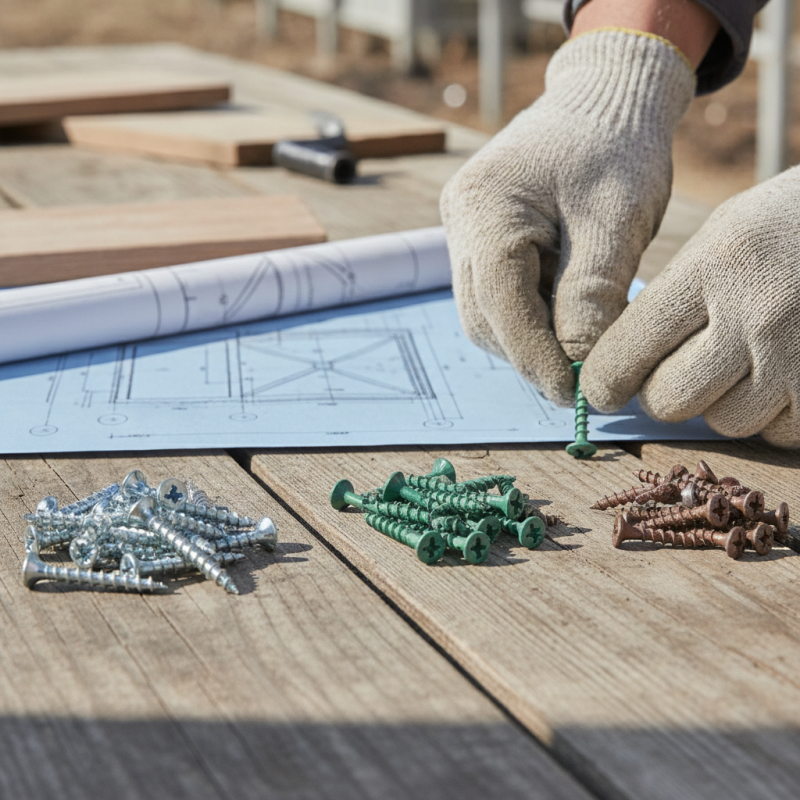
Understanding Different Types of Deck Screws and Their Uses
When choosing deck screws, understanding their types is crucial. Different projects require different screws. Common types include wood screws, composite screws, and stainless steel screws. Each has unique features suited for specific materials. For instance, wood screws are designed to grip wood tightly. Composite screws, on the other hand, reduce splitting and provide better holding power in synthetic materials.
According to a report by the International Wood Products Association, using the right type of screw can enhance durability by up to 30%. Stainless steel screws resist corrosion and are ideal for coastal areas. However, despite their robust nature, they can be pricier than alternatives.
Also, consider screw length and gauge. Some projects may require longer screws for deeper penetration. Others may need shorter lengths to maintain aesthetic appeal. Balancing strength and appearance can be challenging. Understand your materials well. Choosing the wrong screw can lead to structural failures. Always reflect on the specific needs of your project before making a decision.
Factors to Consider When Choosing Deck Screws for Your Project
When choosing deck screws, several factors play a crucial role. Material selection is essential. Stainless steel screws offer corrosion resistance. They are ideal for decks exposed to moisture. Galvanized screws are also common, but they may not last as long in harsh conditions. According to a report by the American Wood Council, using the right screw can extend the lifespan of wooden structures significantly, enhancing safety and performance.
Another important consideration is screw coating. Different coatings provide varied levels of durability. A study showed that screws with polymer coatings can provide improved grip and less slipping during installation. This is particularly beneficial in outdoor settings, where the elements can impact the screw's performance. Additionally, the screw's thread type and length can impact its holding power. A deeper thread engages more wood fibers for a stronger connection.
Remember that the project’s specific requirements matter. For instance, heavy-duty decks require robust screws capable of bearing loads. Using inadequate screws can lead to structural failure. The National Association of Home Builders emphasizes that selecting the wrong type can compromise the integrity of a deck. As a result, careful consideration of these factors is essential to ensure a safe and long-lasting deck project.
2026 How to Choose the Best Deck Screws for Your Projects? - Factors to Consider When Choosing Deck Screws for Your Project
| Factor | Description | Recommended Specifications |
| Material | Choose screws made of stainless steel or coated for corrosion resistance. | Stainless steel (A2 or A4) or epoxy-coated |
| Screw Length | Select an appropriate length to ensure a secure hold in the material being used. | 1.5 to 3.5 inches depending on thickness |
| Thread Type | Consider thread design for optimum grip and ease of installation. | Coarse threads for softwood, fine threads for hardwood |
| Head Type | Different head styles provide varied aesthetics and functionality. | Flat heads for flush, round heads for appearance |
| Drive Type | Choose a drive type that reduces cam-out and enhances screw holding. | Torx or square drive recommended |
| Quantity | Ensure you have sufficient screws for your entire project. | Calculate based on boards used and recommended spacing |
Material Selection: Stainless Steel vs. Coated Deck Screws
When choosing deck screws, the material significantly affects performance and longevity. Stainless steel screws are renowned for their corrosion resistance. They can endure harsh weather conditions, making them ideal for outdoor projects. According to a recent industry report, stainless steel screws can last over 25 years in coastal environments. This makes them a reliable choice for long-term installations.
On the other hand, coated deck screws provide an affordable alternative. They typically have a layer of protective coating that resists rust and corrosion. However, the durability of the coating can vary. Studies show that some coated screws may begin to wear after just five years, especially in high-moisture areas. It's essential to inspect these screws periodically. If the coating wears thin, the screw's integrity is compromised.
Choosing the right material is not only vital for the project but also impacts safety. For instance, using inferior screws can lead to structural failure. This presents a significant risk for homeowners. Ultimately, assessing both stainless steel and coated options allows you to make an informed decision. Each has its pros and cons, and understanding these nuances is critical for ensuring your project's success.
2026 Deck Screws Material Comparison
Length and Thickness: Finding the Right Size for Your Decking Needs
Choosing the right length and thickness for deck screws is crucial. The wrong size can affect the stability of your deck. A screw that is too short may not hold the decking securely. On the other hand, a screw that is too long can split the wood, leading to safety issues and costly repairs.
When selecting screws, consider the thickness of your decking material. For standard thicknesses, a screw length of about 2.5 to 3 inches is often appropriate. If your decking boards are thicker, you may need longer screws. It's important to ensure that the screw penetrates deep into the support structure. The right length enhances durability and prevents loosening over time.
Thickness also plays a role. Thicker screws provide more strength. However, they can be harder to drive into the wood. You want screws that are thick enough to resist bending but not so thick that they are cumbersome. Balancing these factors can be challenging, yet it’s essential for a lasting project. Take the time to assess both length and thickness for optimal performance.
Corrosion Resistance and Weatherproof Features in Deck Screws
When selecting deck screws, corrosion resistance and weatherproof features are crucial. Deck screws are exposed to harsh conditions. Salt, moisture, and UV light can cause rapid deterioration. According to the American Society for Testing and Materials (ASTM), screws should meet specific corrosion resistance standards. This ensures longevity and performance in outdoor environments.
Many professionals recommend using screws with coatings specifically designed for outdoor use. For instance, stainless steel screws offer excellent resistance. However, they can be costly. Alternatively, galvanized screws provide a more affordable option but may corrode over time. The National Association of Home Builders (NAHB) reports that the average life span of galvanized screws is significantly shorter than that of stainless steel.
Tips: Always inspect screws before use. A simple visual check can reveal signs of rust or wear. Additionally, consider using a screw with a high-quality polymer coating for extra protection. This type of coating enhances weather resistance, making your deck last longer. Lastly, keep in mind that different regions may require specific screw types due to local weather conditions. Understanding these factors can help you make a more informed choice.