Top Hospital ICU Monitor Features You Should Consider?
In the rapidly evolving healthcare landscape, the selection of a Hospital Icu Monitor remains crucial for patient care. Dr. Emily Tran, a leading specialist in critical care technology, emphasizes, "Choosing the right ICU monitor can make all the difference in a patient's outcome." This assertion highlights the importance of understanding the key features that can impact both the monitoring process and patient safety.
When assessing Hospital ICU Monitors, several vital features should be prioritized. High-resolution displays, advanced alarm systems, and real-time data integration are essential. These attributes not only enhance monitoring efficiency but also improve communication between healthcare providers. Complications can arise if one overlooks features that facilitate timely interventions.
Equipped with innovative technology, modern monitors can provide vital data at a glance. However, reliance on technology should be balanced with clinical judgment. Consideration must also be given to usability and training requirements. A great monitor is only effective if staff are proficient in its operation. Therefore, ongoing education and support in the use of Hospital ICU Monitors are imperative.
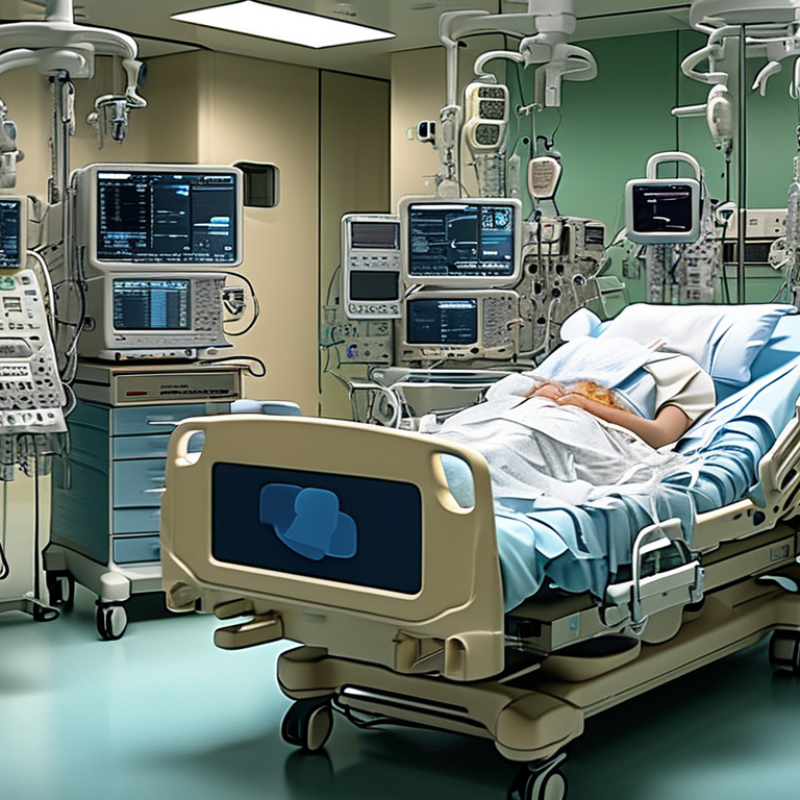
Essential Features of ICU Monitors for Patient Care
In the critical care environment, the right ICU monitor can significantly impact patient outcomes. Essential features include real-time data monitoring of vital signs, such as heart rate, respiratory rate, and blood pressure. According to a study by the American Association of Critical-Care Nurses, real-time data can reduce response time to patient deterioration by up to 30%. This rapid response is crucial in preventing complications.
Another critical element is advanced waveform analysis. This feature allows healthcare professionals to see a clear representation of a patient’s cardiovascular status. The National Institutes of Health reports that accurate waveform interpretation can lead to better prevention of cardiac events. Furthermore, alarm management systems integrated into ICU monitors help reduce alarm fatigue, which is common in busy ICUs. It's reported that up to 85% of ICU alarms are false, leading to desensitization among staff.
It’s essential to consider the usability of the ICU monitors. Ergonomics play a key role in effective patient care. A user-friendly interface reduces the risk of errors during critical moments. With the increasing complexity of patients, monitoring systems must evolve. This evolution often entails iterative design changes based on user feedback. A proactive approach to monitor features could enhance both safety and efficiency in patient management.
Importance of Real-time Data Monitoring in ICU Settings
Real-time data monitoring is crucial in ICU settings. Patients here are often critically ill. Every second counts in their treatment. An efficient ICU monitor should provide immediate updates on vital signs. This includes heart rate, blood pressure, and oxygen saturation. With accurate, real-time data, healthcare professionals can make informed decisions swiftly.
The availability of real-time information can reveal complications early. For instance, a sudden drop in blood oxygen levels can indicate distress. Timely intervention can save lives. However, not all monitoring systems are equally effective. Some may display data with delays, which could lead to missed opportunities for care. ICU teams must regularly evaluate their monitoring tools. They should ensure the technology meets the demands of a fast-paced environment.
Additionally, data overload can complicate decision-making. With too much information, healthcare workers may miss critical changes in a patient's status. Balancing the amount of data presented is essential for clarity. Monitoring systems should present the most relevant information clearly. Striking this balance remains a challenge, yet it is vital for patient safety. Proper training on these systems is equally important. It maximizes the efficacy of real-time monitoring and enhances patient outcomes in the ICU.
User Interface Design: Enhancements for Medical Professionals
When designing user interfaces for ICU monitors, clarity is vital. Medical professionals need to access critical information quickly. An intuitive layout can enhance efficiency and reduce the chances of errors. For example, a well-organized display showing vital signs prominently allows for immediate assessment. Color-coded alerts can further assist in prioritizing tasks, making high-stress situations more manageable.
The challenge lies in balancing detail with simplicity. Overloading the screen with information can lead to confusion. It’s essential to highlight the most relevant data while providing access to additional metrics when needed. Feedback from healthcare providers is crucial in refining these interfaces. They often express a need for customization, as each unit may have unique requirements. Fine-tuning the user experience based on real-world scenarios can lead to better outcomes for patients.
Creating a reliable interface requires ongoing evaluation. Usability testing is often underemphasized but is vital for understanding user interaction. Observing how professionals navigate the interface can reveal pain points. Regular updates, based on feedback and emerging technologies, can ensure the ICU monitors remain effective tools amid rapidly changing medical environments.
Integration with Hospital Information Systems for Efficiency
Integrating ICU monitors with hospital information systems is crucial for efficiency. This connection allows real-time data sharing among various departments. It streamlines workflows and minimizes manual entry errors. Automated alerts can be so beneficial. They ensure timely responses to patient needs.
When selecting ICU monitors, look for features that support interoperability. Many hospitals face challenges in integrating different systems. A lack of standards can lead to data silos. Ensuring that the monitor communicates well with your existing systems is vital. It helps improve patient outcomes.
Tips: Consider user-friendly interfaces. Training staff to effectively use these systems is necessary. Regular updates and maintenance can enhance performance. Evaluating compatibility before purchasing can save time and resources later. The integration process may have its pitfalls; anticipating challenges can prepare your team.
Top Hospital ICU Monitor Features You Should Consider
| Feature | Description | Benefits | Integration Level |
| Real-time Data Monitoring | Continuous tracking of patient vitals, including heart rate, blood pressure, and oxygen levels. | Improves response time to patient needs and enhances decision-making. | High |
| Alarm Management | Customizable alarms for critical events and thresholds. | Reduces alarm fatigue and enhances patient safety. | Medium |
| Remote Access | Ability to monitor patient data from remote locations. | Facilitates telemedicine and virtual consultations. | High |
| Interoperability | Compatibility with other health IT systems and devices. | Improves data sharing and enhances workflow efficiency. | Very High |
| Data Analytics | Analyzes trends in patient data to predict deterioration. | Enhances proactive patient care and outcomes. | Medium |
Reliability and Accuracy of ICU Monitors for Critical Decisions
In the critical environment of an ICU, the reliability and accuracy of monitors play a pivotal role in patient care. Accurate data allows healthcare professionals to make informed decisions efficiently. However, not all monitors deliver the same level of performance. Some may lag in response time, leading to delays in patient assessment. This inconsistency can drastically affect treatment outcomes.
An effective ICU monitor should provide real-time data with minimal errors. It’s essential to look for features like automatic calibration. This ensures that the readings are consistently precise. Additionally, a built-in redundancy system can enhance reliability. If one aspect of the monitor fails, the backup can continue to function seamlessly. However, users must regularly review these systems. Overconfidence in technology can lead to overlooking potential flaws.
Data visualization is another critical component. Clear, intuitive displays help clinicians quickly identify critical changes in a patient’s condition. A complex interface can lead to misunderstanding or misinterpretation. Education and ongoing training for staff are necessary. Ensuring that all operators are skilled can minimize risks associated with monitor use. The journey toward reliable, accurate ICU monitoring requires continuous evaluation and improvement.