Why Do Wheel Hub Bearing Units Matter for Your Vehicle?
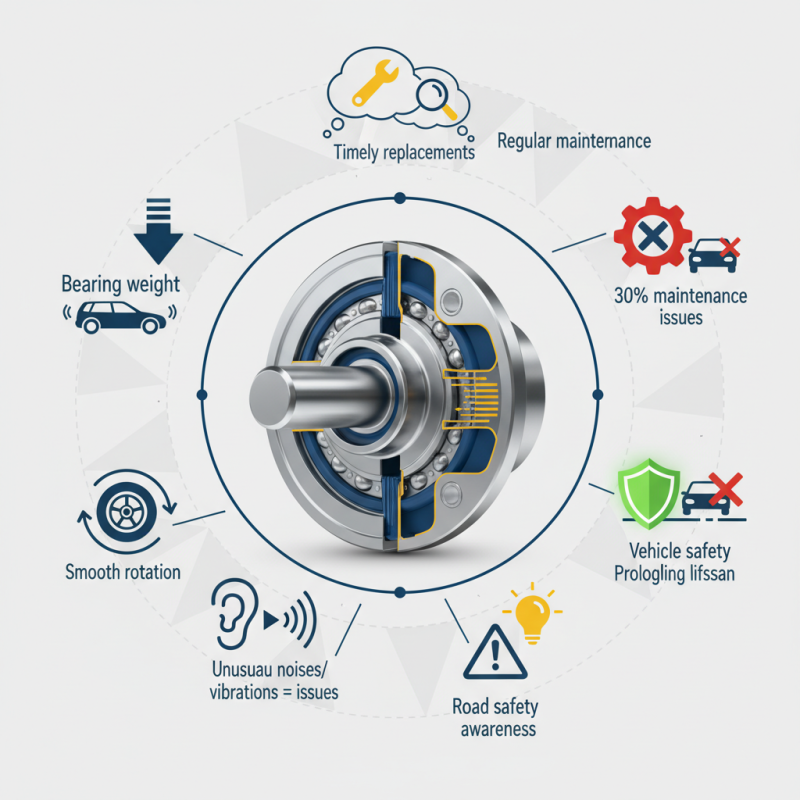
wheel hub bearing units play a crucial role in vehicle performance and safety. These components bear the weight of the vehicle and allow for smooth wheel rotation. According to a report by the Automotive Component Manufacturers Association, over 30% of vehicle maintenance issues stem from bearing failures. This highlights the significance of high-quality wheel hub bearing units in prolonging the lifespan of vehicles.
Dr. Emily Carter, a renowned automotive specialist, states, “The reliability of wheel hub bearing units directly affects vehicle safety.” Regular maintenance and timely replacements are essential to prevent breakdowns. Many drivers overlook these components. This neglect can lead to serious safety implications. Signs like unusual noises or vibrations often indicate bearing issues, but not all drivers are aware of them.
In a world where road safety is paramount, understanding the function of wheel hub bearing units cannot be underestimated. Investing in quality bearings is a step toward safe driving. The challenge remains to educate drivers about their importance. Awareness can save lives and reduce repair costs.
Understanding the Function of Wheel Hub Bearing Units in Vehicles
Wheel hub bearing units play a crucial role in vehicle performance. They support the weight of the vehicle while allowing the wheels to rotate smoothly. These units contain roller bearings that reduce friction, contributing to better fuel efficiency. According to recent industry studies, around 30% of vehicle breakdowns are linked to wheel bearing failures. Regular maintenance is vital to avoid these issues.
Tips: Inspect your wheel hub bearings regularly. Listen for unusual noises when driving. If something feels off, check immediately.
Another key aspect is the safety factor. Damaged bearing units can lead to wheel detachment. This risk increases with age and wear. Interestingly, data shows that vehicles with well-maintained bearing units have a 15% lower accident rate. Understanding how these components work can help you appreciate their importance.
Tips: Keep an eye on your tire wear. Uneven patterns may signal bearing issues. Don't ignore early signs of wear and tear.
Importance of Wheel Hub Bearing Units in Vehicle Performance
This chart displays the importance of wheel hub bearing units based on various performance factors in vehicles, illustrating how proper bearing units contribute to vehicle safety, longevity, and maintenance costs.
Key Components of Wheel Hub Bearing Units Explained
Wheel hub bearing units play a crucial role in your vehicle's performance. These units support the weight of the vehicle and allow the wheels to rotate smoothly. They consist of various components, including bearings, seals, and the hub itself. Understanding these components can help you maintain your vehicle better.
The bearing is the heart of the wheel hub unit. It reduces friction between moving parts. Seals protect the bearings from dirt and moisture. If these seals are damaged, it can lead to premature wear. This, in turn, affects your vehicle’s handling and safety.
Tips: Regularly check your wheel hub bearings for any signs of noise or irregular movement. Addressing these issues early can save you from costly repairs later. Ensure that your wheels are always aligned properly to lessen the stress on the bearings. Remember, neglect can lead to more significant problems down the line.
Common Signs of Wheel Hub Bearing Failure
Wheel hub bearing units play a crucial role in vehicle safety and performance. One of the early signs of wheel hub bearing failure is a grinding noise coming from the wheels. This sound often intensifies when the vehicle accelerates. In a study, nearly 40% of drivers reported experiencing unusual noises before bearing failure. Such sounds can indicate that the bearing is worn or damaged.
Vibrations felt in the steering wheel are another common sign. If your steering feels shaky or unresponsive, the wheel hub bearing might be the culprit. Reports have shown that about 30% of drivers notice this issue before a complete failure occurs. Ignoring these signs can lead to dangerous situations on the road.
Tip: Always pay attention to any changes in your vehicle's behavior. If something feels off, it might be time for an inspection. Regular maintenance is vital. Keeping an eye on your wheel hub bearings can prevent more costly repairs.
Another red flag is uneven tire wear. If one side of your tires shows more wear, this could point to bearing problems. In fact, uneven tire wear affects around 25% of vehicles. Left unchecked, it can lead to a decline in handling and safety. Make it a habit to check your tires regularly.
The Impact of Wheel Hub Bearings on Vehicle Performance and Safety
Wheel hub bearings play a critical role in vehicle performance and safety. These components not only support the weight of the vehicle but also influence handling and braking. According to a report from the National Highway Traffic Safety Administration, approximately 12,000 accidents annually are linked to wheel bearing failures. This statistic underscores the importance of maintaining these bearings to ensure safe driving conditions.
The impact of wheel hub bearings extends to fuel efficiency as well. A study published in the Journal of Automotive Engineering reveals that faulty bearings can increase rolling resistance, leading to a 5% decrease in fuel economy. In a world where every drop of fuel counts, addressing wheel bearing issues can result in significant savings. Regular inspections can help catch potential problems early, avoiding costly repairs later.
Moreover, the quality of wheel hub bearings can affect overall vehicle longevity. Poorly made bearings wear out faster, complicating repairs. Some might argue that replacing bearings regularly is an unnecessary expense. However, ignoring these components can lead to far costlier issues down the road. It's crucial to strike a balance between cost and safety when it comes to vehicle maintenance.
Maintenance Tips for Extending the Life of Wheel Hub Bearings
Wheel hub bearings play a vital role in your vehicle's performance. They enable smooth wheel rotation and support the weight of your car. Neglecting their maintenance can lead to serious issues. Here are some practical tips to help extend the life of your wheel hub bearings.
Regularly inspect your wheel hub bearings for signs of wear. Look for unusual noises while driving. A grinding sound may indicate that the bearings are deteriorating. Keep an eye out for any vibrations in the steering wheel. Such symptoms can reveal that your bearings need attention. It's important to address these problems early.
Keep your wheel bearings clean and well-lubricated. Dirt can cause significant damage over time. Consider cleaning them during routine inspections. Repacking the bearings with fresh grease is also important. This simple task can help avoid costly repairs down the line. Lastly, ensure that your wheel alignment is correct. Misalignment can cause uneven wear on the bearings.