How to Optimize PCB Production for Better Efficiency and Quality?
In the fast-evolving world of PCB production, optimizing processes is crucial. Experts like Dr. Jane Holloway note, "Efficiency and quality are intertwined in PCB manufacturing." Many companies struggle to achieve both. Ineffective workflows can lead to waste, delays, and increased costs.
Improving efficiency often requires a shift in mindset. Companies must embrace new technologies while reflecting on current practices. For instance, machine calibration is often overlooked, yet it plays a vital role. A small error can magnify through the production line.
Quality control should not just be a final check. It must be integrated throughout the PCB production cycle. Frequent evaluations and adjustments can prevent issues before they escalate. Embracing this proactive approach can shape a more effective and reliable production process.
Identifying Key Factors for PCB Production Efficiency
Optimizing PCB production requires a focus on key factors. Efficiency begins with design for manufacturability. Designers should prioritize simplicity. Complex designs may lead to longer production times and increased costs. Clear documentation also plays a crucial role. It ensures that everyone involved understands the processes and requirements clearly.
Materials selection is another critical aspect. High-quality materials can enhance performance, but they often come at a cost. This is where some manufacturers struggle. Balancing cost and quality is challenging. Teams must evaluate which materials provide the best outcomes.
Lastly, workforce training is essential. Skilled workers can significantly impact efficiency. Poor training can lead to mistakes, which waste time. Reflecting on training methods is vital. Are they effective? Regular feedback sessions can highlight areas needing improvement. Taking steps to improve these factors can lead to better efficiency and quality in PCB production.
Implementing Advanced Technologies in PCB Manufacturing
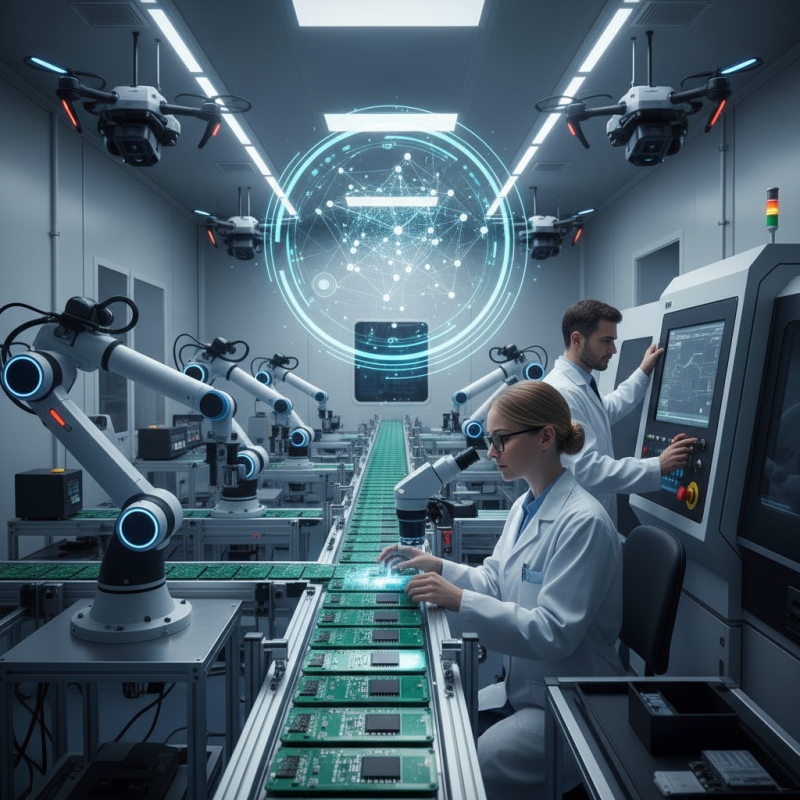
In the competitive field of PCB manufacturing, implementing advanced technologies has become essential. For instance, automation can significantly enhance production efficiency. Reports show that factories adopting automation see a productivity increase of nearly 30%. Robotics streamline tasks like soldering and assembly, reducing human error and cycle time.
However, the transition isn't always smooth. Many companies face challenges in integrating new systems with legacy equipment. Technical glitches can lead to production downtimes, which affect overall efficiency. Moreover, workforce training is crucial. Employees must adapt to new technologies to maximize potential benefits. A recent survey indicated that 40% of manufacturers cited a skills gap as a barrier to effective technology adoption.
Another key technology is the use of AI-driven software for design optimization. This can cut design time by up to 50%. Yet, companies need to remember that software alone won't solve all issues. A holistic approach, balancing technology with skilled labor, is vital. Investing in both areas can lead to higher quality PCBs and a more efficient production process.
Efficiency and Quality in PCB Production
Streamlining Workflow and Reducing Production Bottlenecks
Streamlining the workflow in PCB production is crucial for enhancing efficiency. Frequent delays often occur due to miscommunication between departments. Aligning teams on project expectations can address these issues. Regular check-ins can facilitate this. Simple updates can help keep everyone on the same page.
Reducing production bottlenecks requires careful examination of the current processes. Often, machinery becomes a point of contention. If a machine malfunctions, it halts the entire line. Preventive maintenance can mitigate these risks. Training staff on equipment usage can also reduce errors. Sometimes, it might be necessary to reevaluate chosen materials or suppliers.
Identifying these bottlenecks is an ongoing task. Regular feedback sessions can highlight persistent issues. Engaging employees in problem-solving discussions can lead to fresh insights. The goal is to create an adaptable workflow. Flexibility in processes can lead to better outcomes, even when challenges arise. Small adjustments may yield significant improvements over time.
How to Optimize PCB Production for Better Efficiency and Quality?
| Production Stage |
Efficiency (%) |
Quality Score (1-10) |
Bottleneck Identified |
Improvement Strategy |
| PCB Design |
85 |
9 |
Rigid Review Process |
Implement Design Reviews |
| Material Preparation |
75 |
8 |
Supply Chain Delays |
Enhance Supplier Relationships |
| Fabrication |
90 |
7 |
Machine Downtime |
Schedule Regular Maintenance |
| Assembly |
80 |
6 |
Skill Gap in Workforce |
Conduct Training Workshops |
| Testing |
70 |
8 |
Insufficient Testing Procedures |
Standardize Testing Protocols |
Enhancing Quality Control Measures in PCB Fabrication
Enhancing quality control measures in PCB fabrication is essential for better efficiency. Effective measures can significantly reduce defects. These defects often arise from inconsistent processes or material quality. Implementing real-time monitoring can address these issues. Sensors can track temperature and humidity within production areas, ensuring the environment stays optimal for PCB creation.
Regular audits of production lines help in identifying potential lapses. Small oversights can lead to larger problems down the line. Training staff on quality standards is equally vital. Employees should understand the importance of their role in quality control. An empowered workforce can lead to more mindful production practices.
Adopting automated inspection systems improves precision. They can catch microscopic defects that human eyes might miss. However, integrating new technology can have a learning curve. Companies must remain open to feedback and adapt processes accordingly. This cycle of continuous improvement fosters a culture of quality throughout production.
Training and Empowering Workforce for Optimal Performance
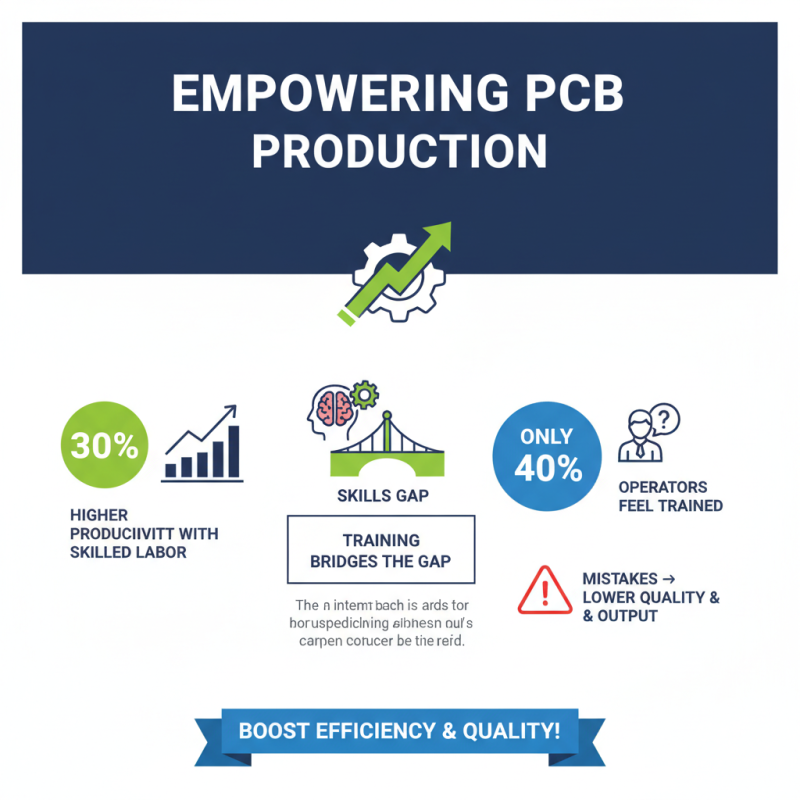
Empowering the workforce in PCB production is crucial for enhancing efficiency and quality. Studies indicate that skilled labor contributes to 30% higher productivity. Training programs are essential. They can bridge the skills gap that often plagues the industry. A report shows that only 40% of operators feel adequately trained. This gap can lead to mistakes, affecting both output and quality.
Moreover, fostering a culture of continuous learning is vital. Workshops and hands-on training can significantly improve knowledge retention. Engaging employees with real-life scenarios helps them apply skills effectively. Gallup suggests that companies with higher employee engagement see a 21% increase in profitability. But, not all training programs yield results.
Many companies still use outdated methods. This mismatch can frustrate employees, leading to disengagement. Investing in new training techniques is not just beneficial; it is necessary for growth. As the industry evolves, so must the workforce. Keeping up with technological advancements should be a priority. Organizations must reflect on the current state of their training methods.